

Tomar, Portugal
Our tour group left the cork farm and headed to the town Tomar, located in central Portugal. Tomar is steeped in exciting history.
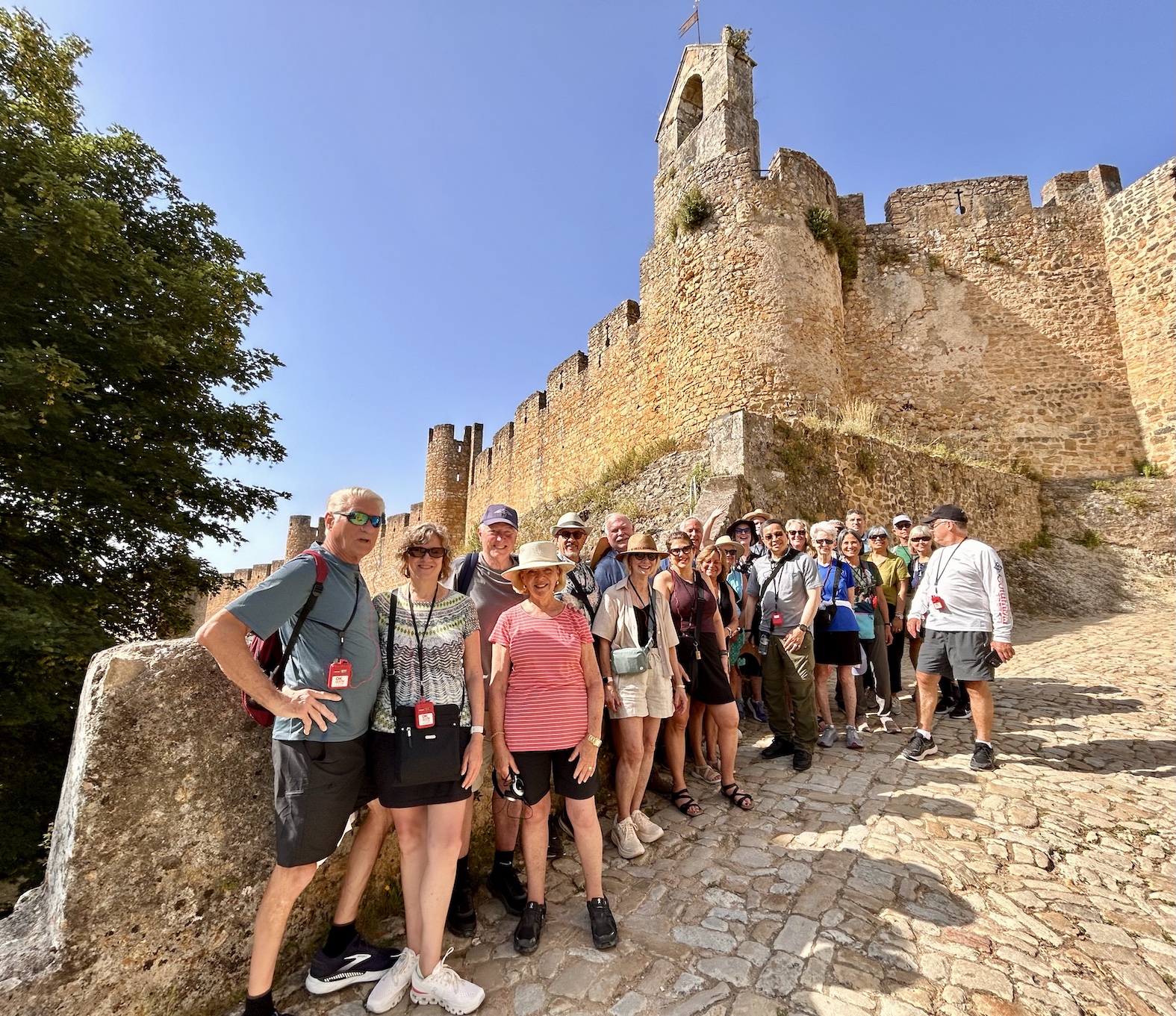
The biggest attraction is the Castle of the Knights Templar and Convent of Christ. I think this was my husband’s favorite part of our tour. Here’s a picture of our tour group before climbing up to the castle.
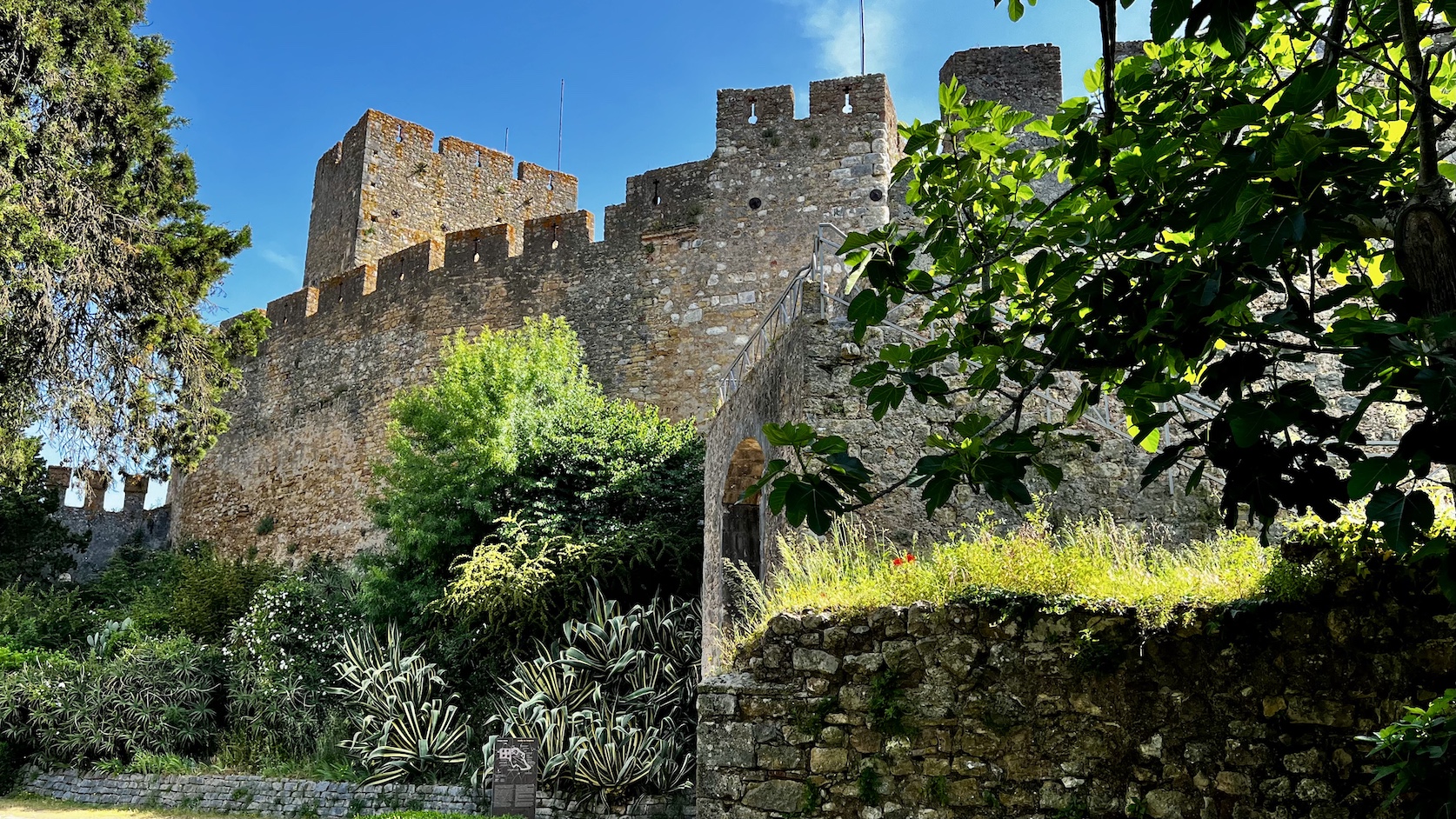
The Convent of Christ in Tomar is a UNESCO World Heritage Site.
Around 1119 The Knights Templar were established. They formed to protect Christian pilgrims traveling to the Holy Land. In 1160 the Templars constructed their headquarters in Tomar.
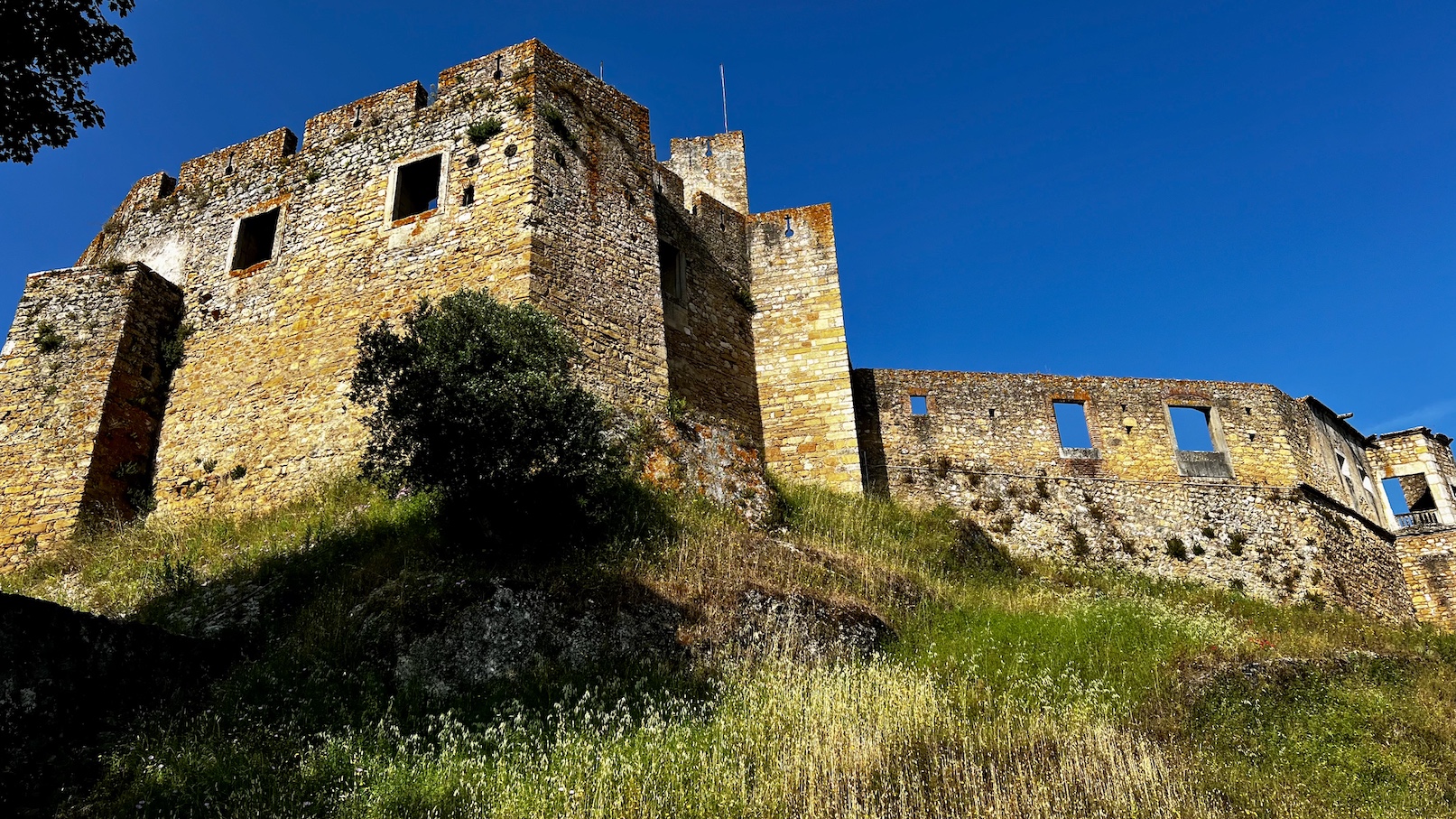
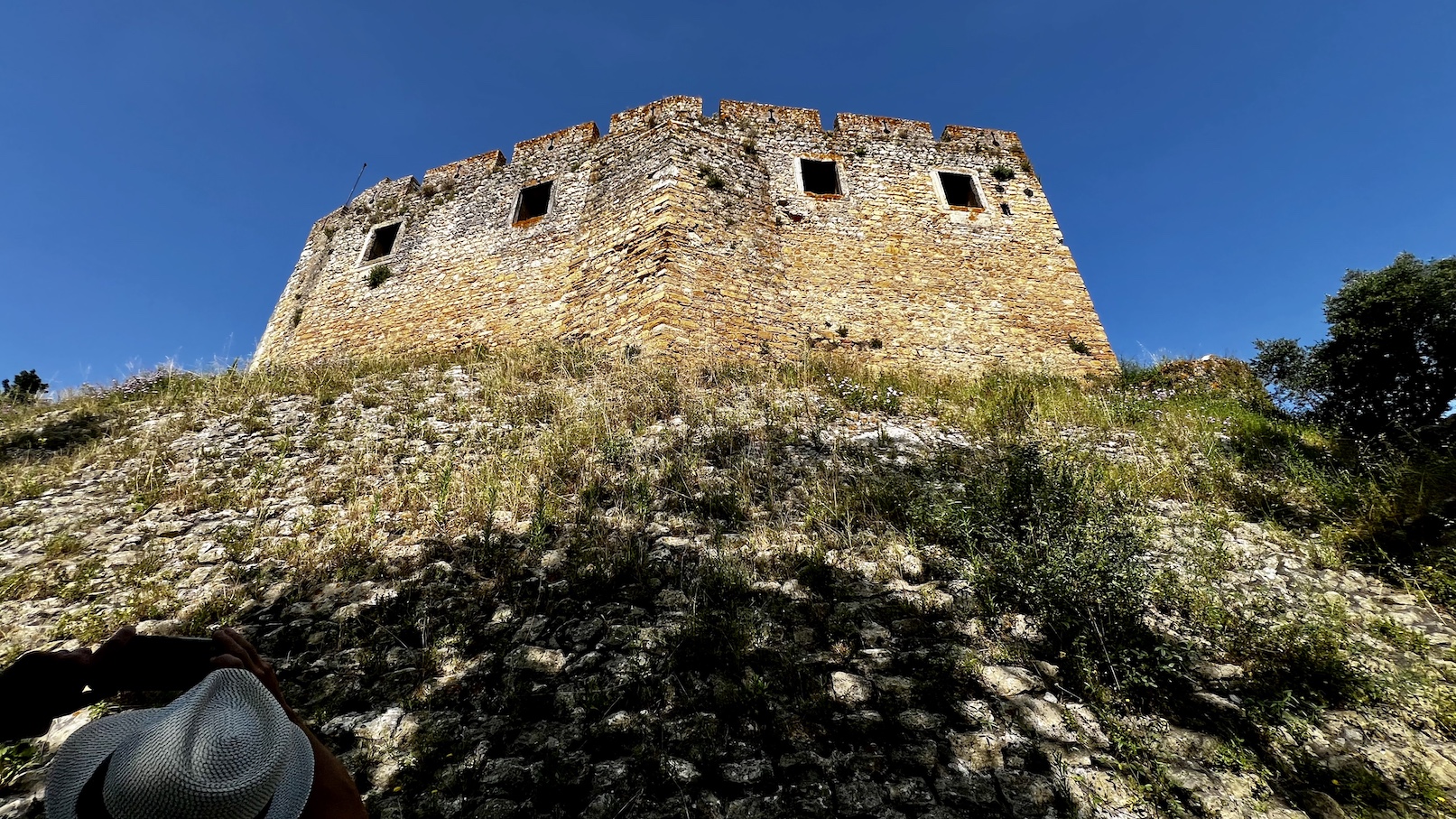
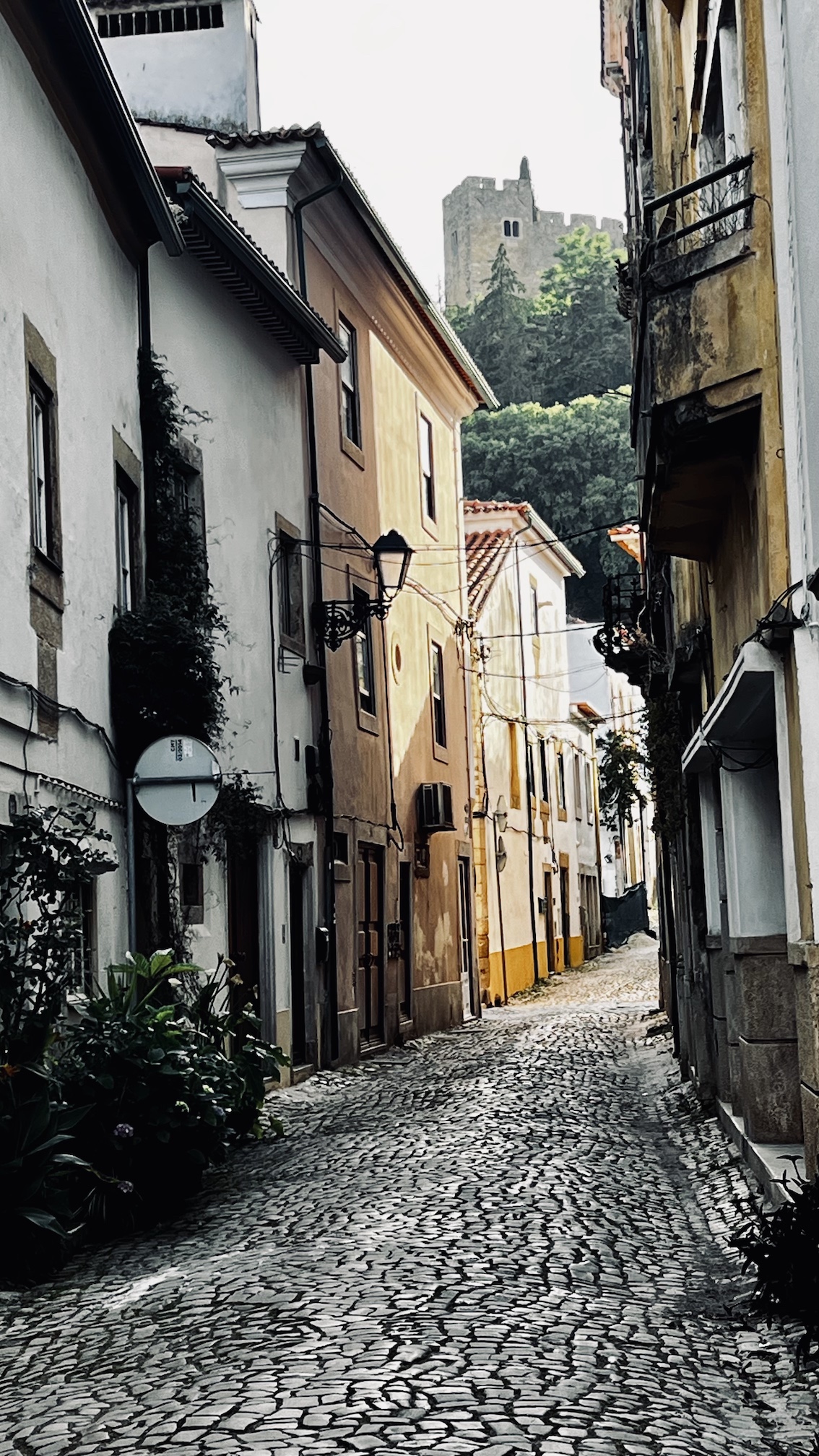
The castle is strategically built on a hill near a river. Walking uphill to the castle you understand why the Templar Order was successful in defending against invaders.
The Knights were fierce fighters defending what they believed in…or what they were protecting. They were instrumental in expelling the Muslims from the Iberian Peninsula.
Another very interesting fact about The Knights Templar is that they developed an early banking system. The pilgrims, before embarking on the journey to the Holy Land would deposit their valuables with Templar preceptories. This protected their money and valuables from being stolen along the journey. When the pilgrims arrived in the Holy Land they could withdraw equivalent funds.
The Knights became very rich and powerful controlling castles and land across Europe. And this unfortunately led to their extinction.
In early 14th century the King Philip IV of France was deeply in debt to the Templars. He ordered the arrest of the members and used torture to get false confessions. The King then seized the Templar’s land holdings. There was never any proof to the accusations.
There were 54 Templar brothers burned at the stake after a trial in Paris.
However, The Knights Templar in Portugal were granted protection by the Portuguese King, who didn’t believe the accusations. He formed a new order called the Order of Christ. The Knights Templar were officially dissolved to pacify King Philip IV of France, and the members secretly renamed the Order of Christ.
Ok. I’ll admit I found this part of history fascinating along with my husband. We even had to go home and rewatch The Da Vinci Code movie based on Dan Brown’s novel. There are a lot of conspiracy theories surrounding the Knights Templar.
If you want to learn more check out this link:
https://www.worldhistory.org/Knights_Templar/#
A good book to read about the history of the Knights Templar is First Templar Nation: How Eleven Knights Created a New Country and a Refuge for the Grail by Freddy Silva.
Enough history for now, let’s head up the hill to explore the castle.
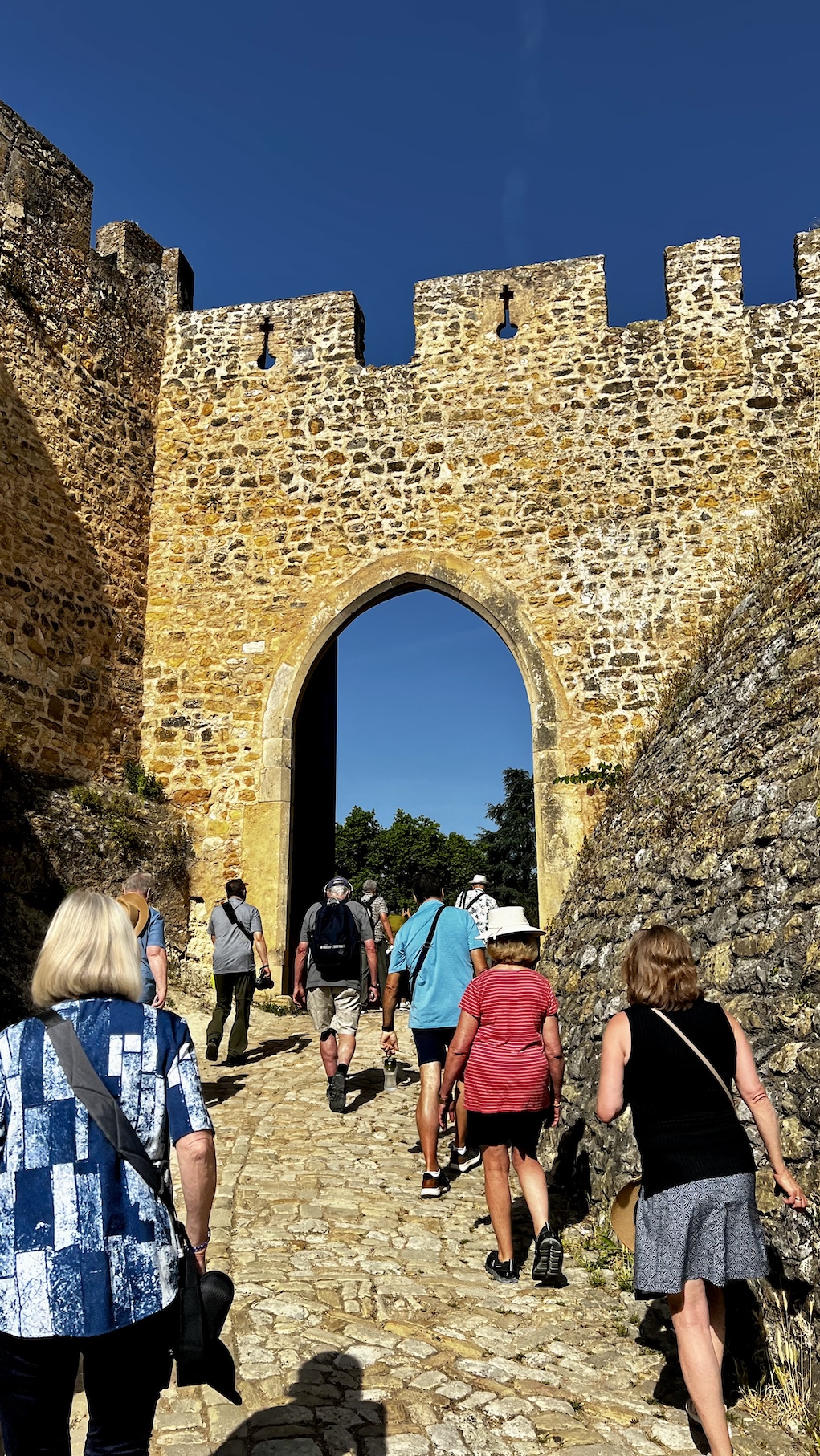
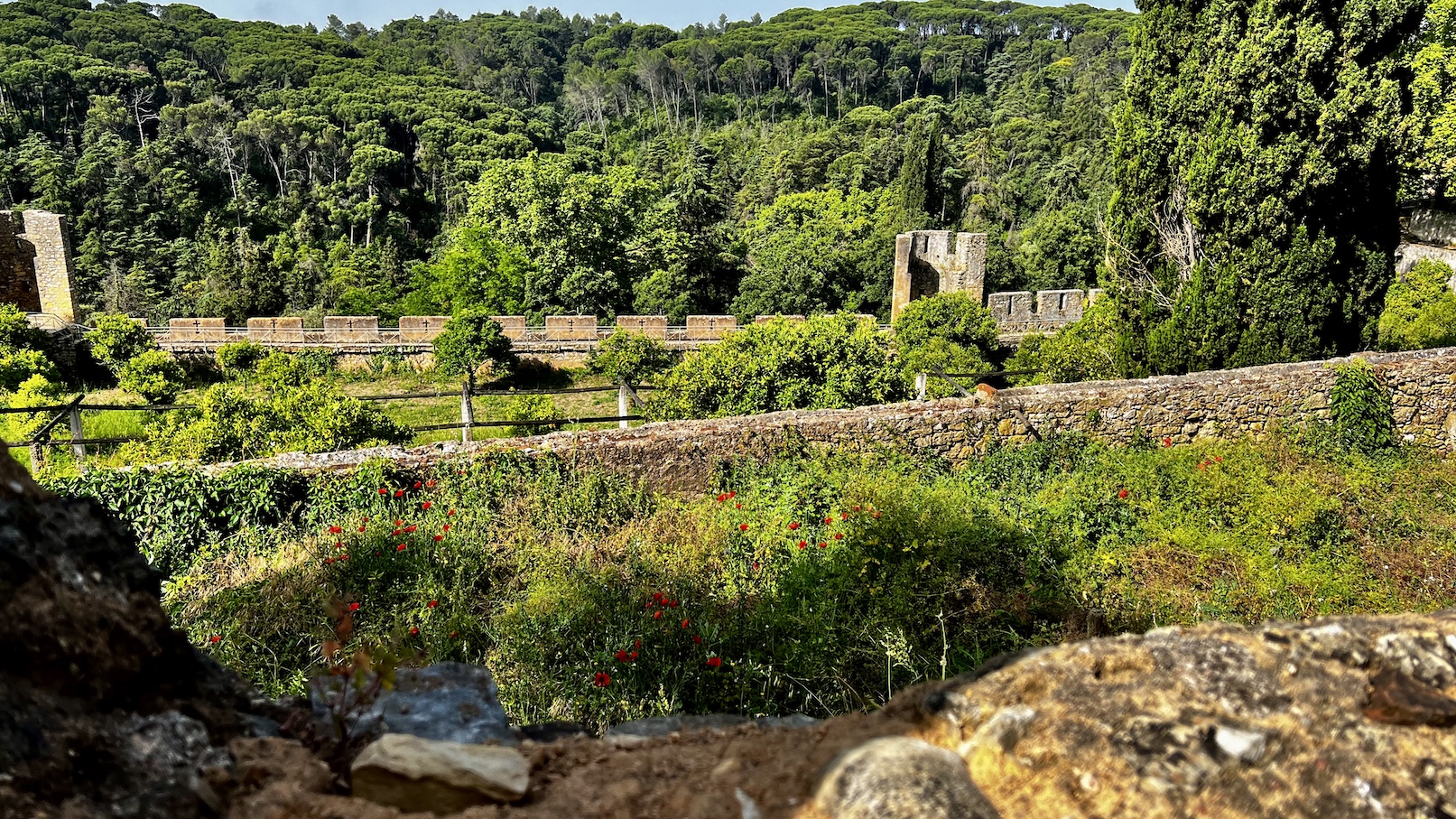
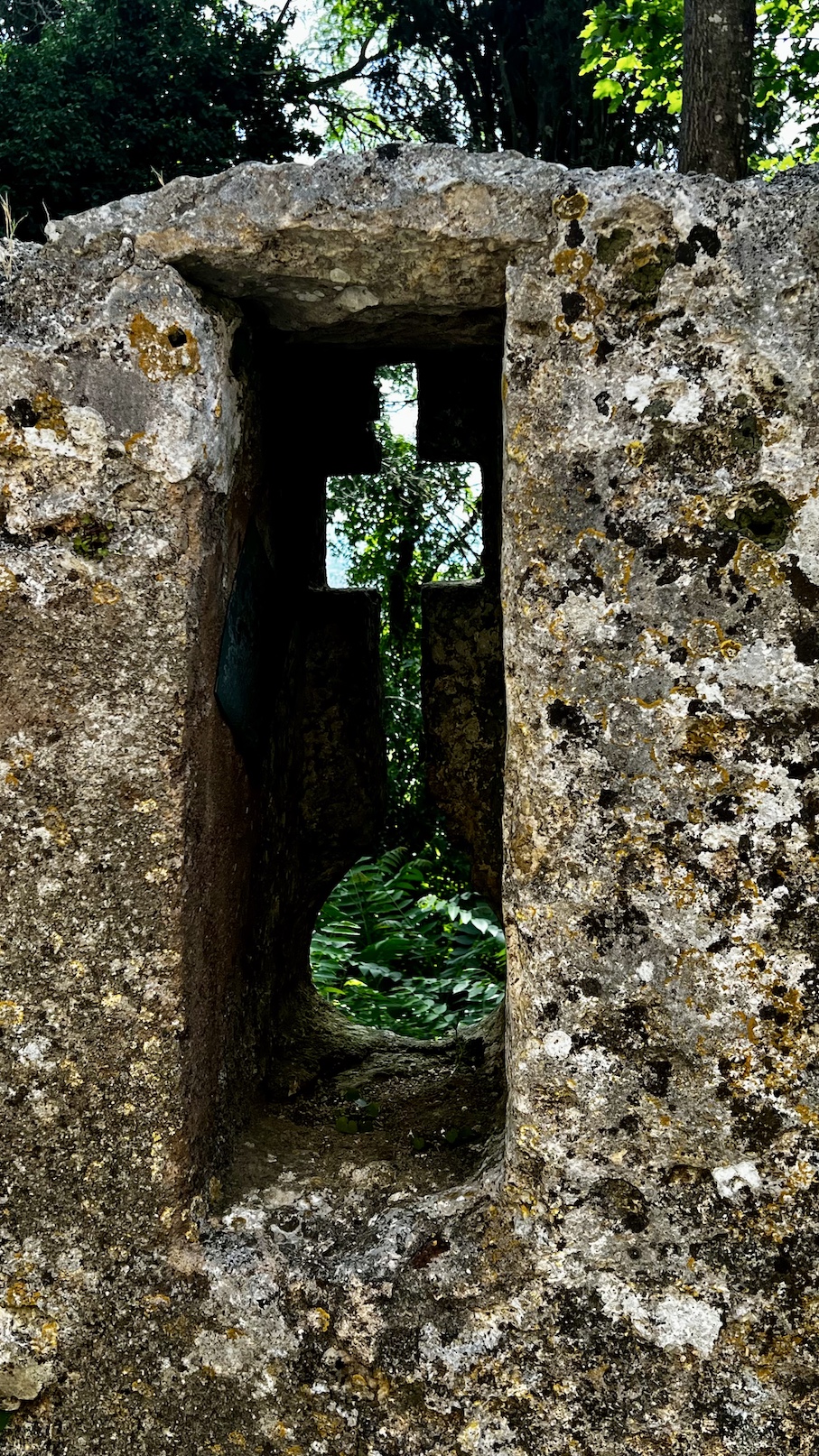
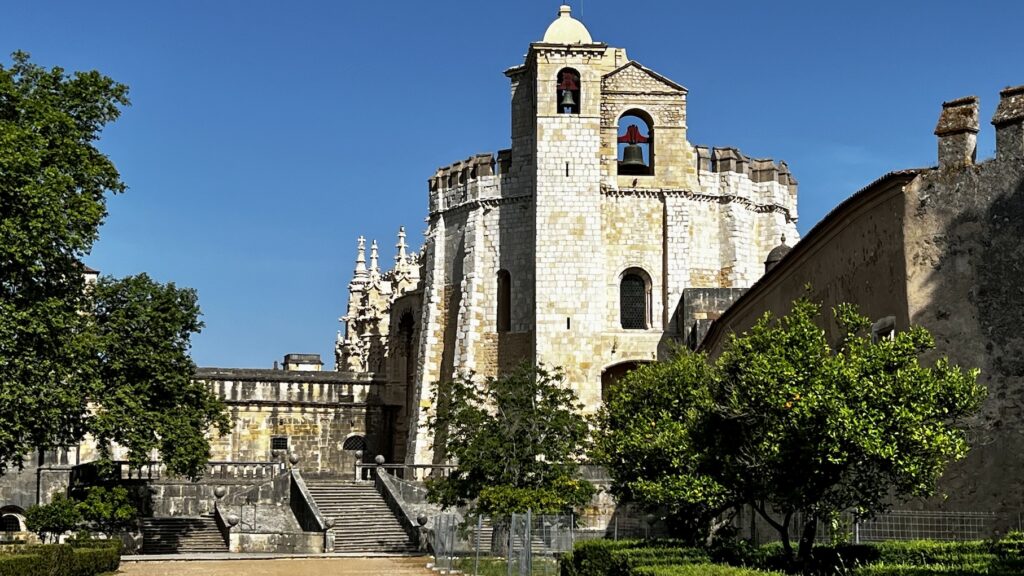
Inside the castle walls is the 12th century Templar Church attached to the 16th century Order of Christ Convent.
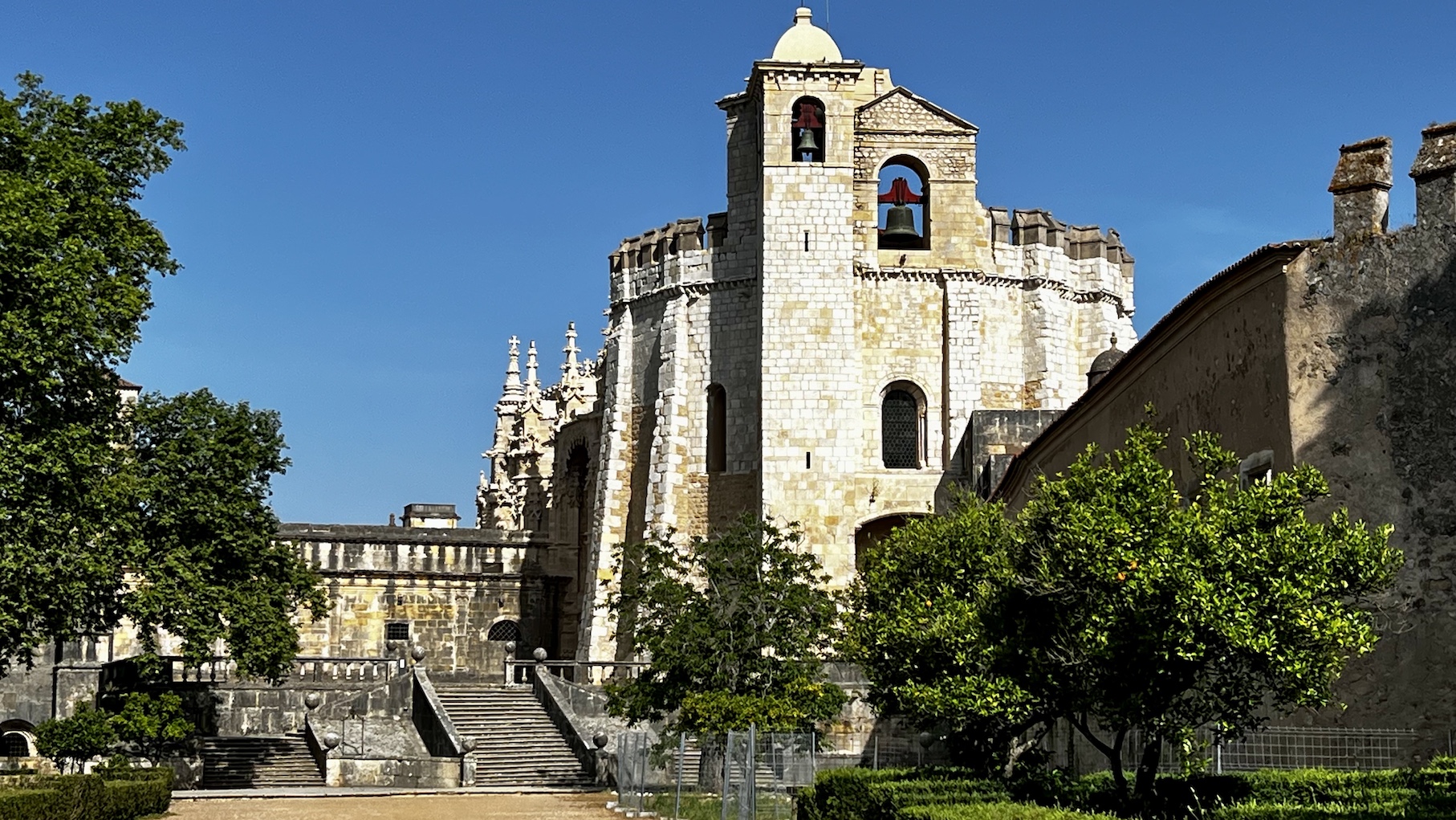
The Convent of Christ
The Convent of Christ is large and has 8 cloisters, several courtyards and a church inside its walls. Pay attention where you go. It’s easy to get lost.
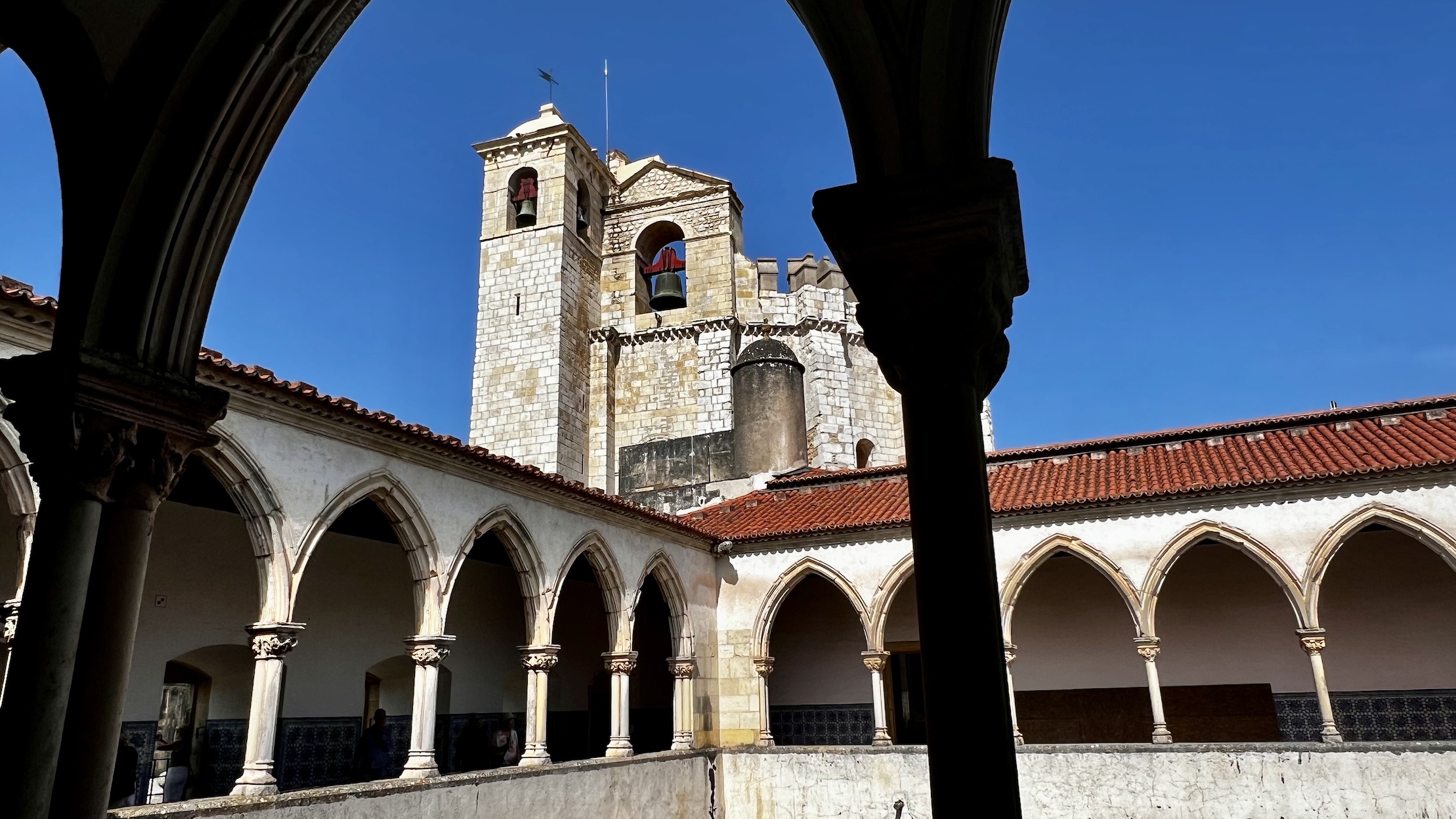
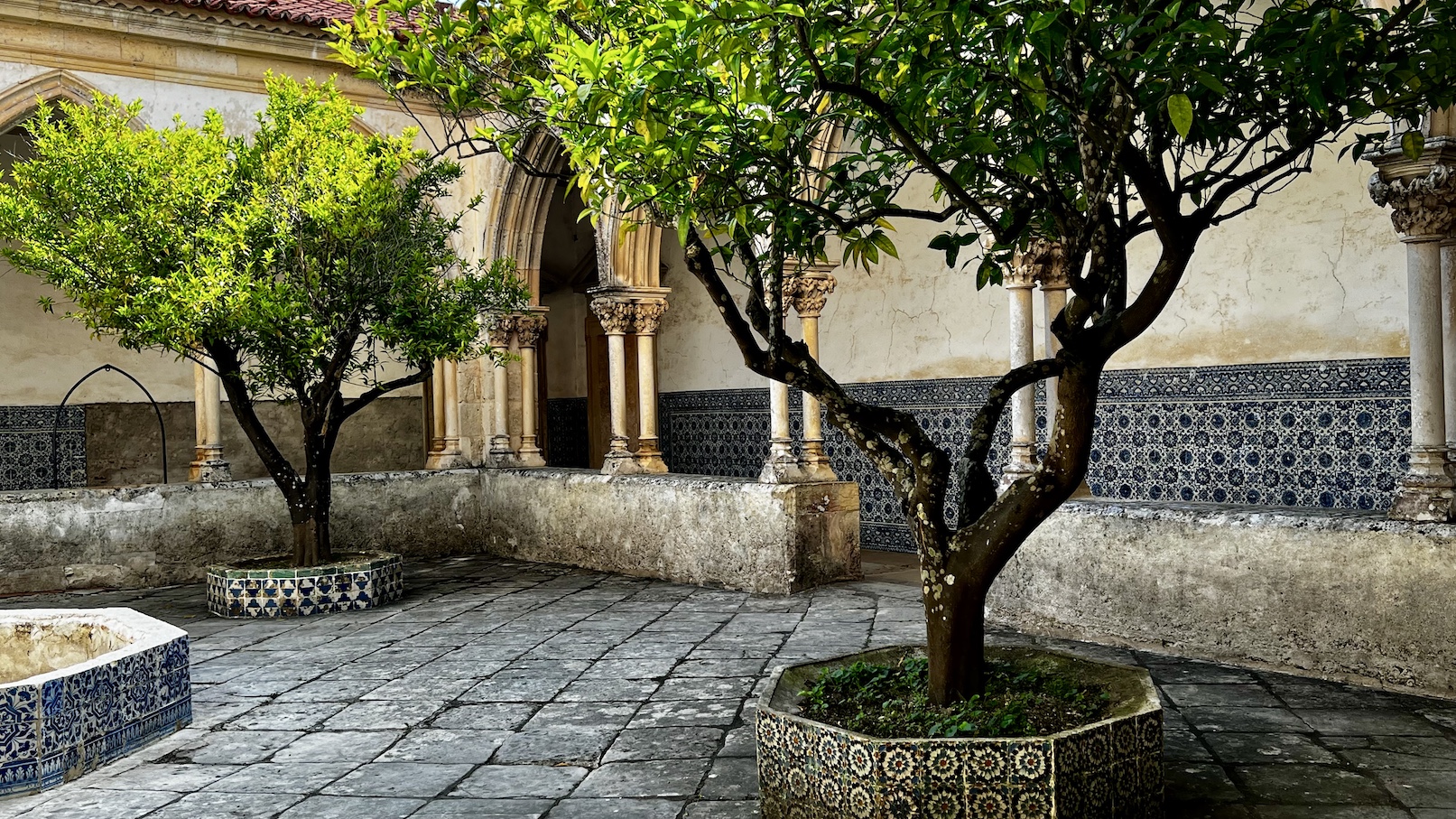
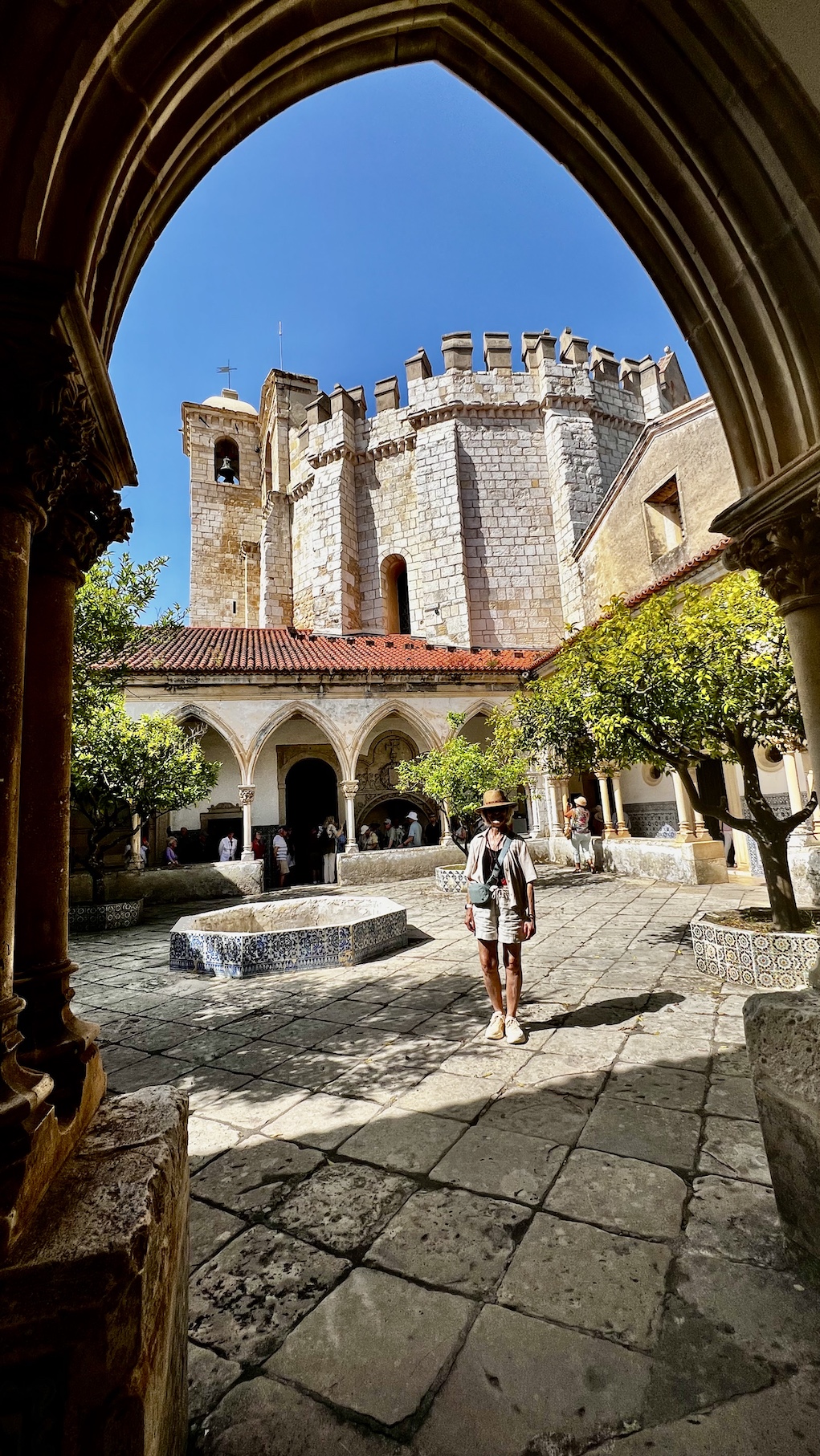
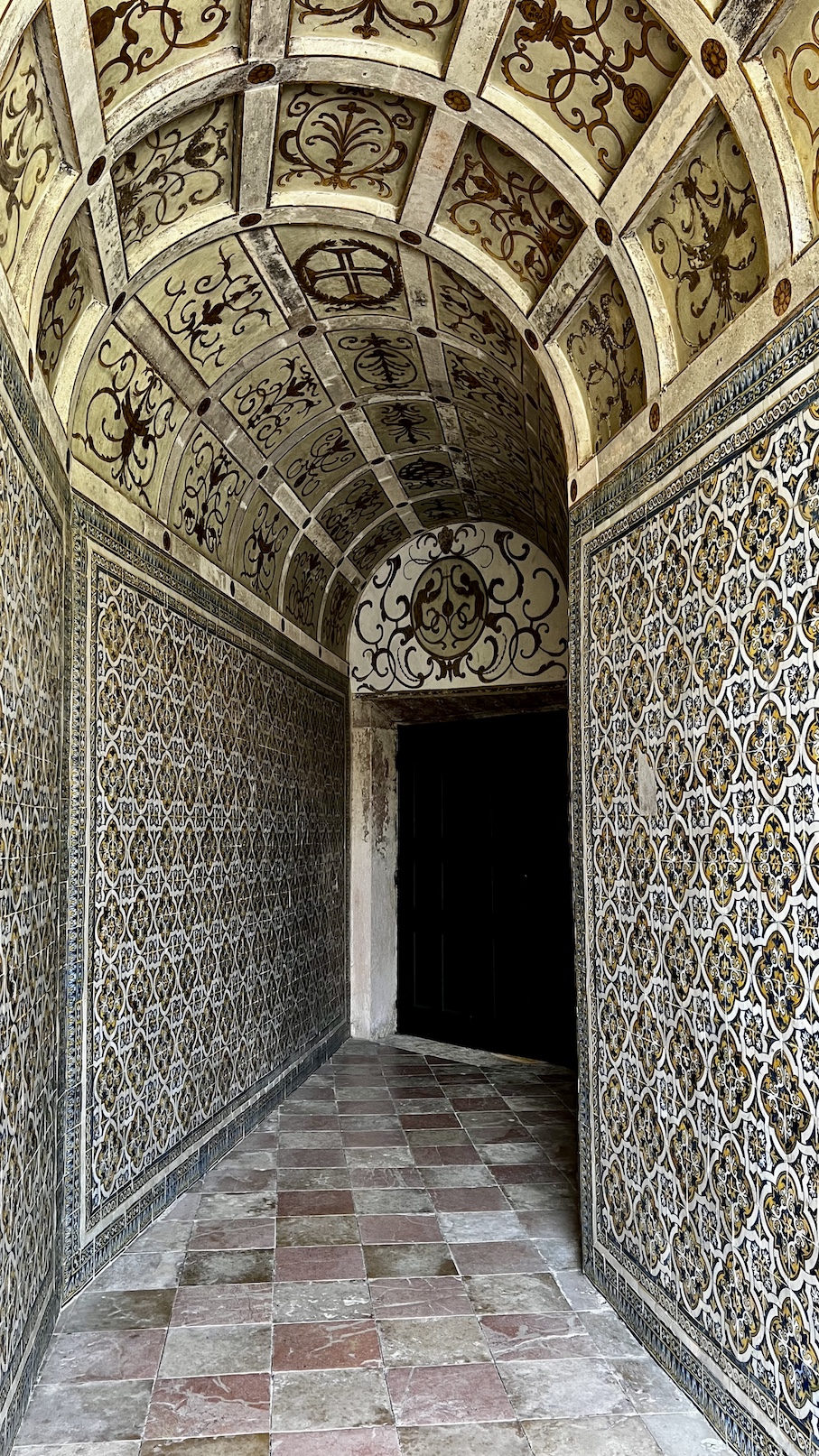
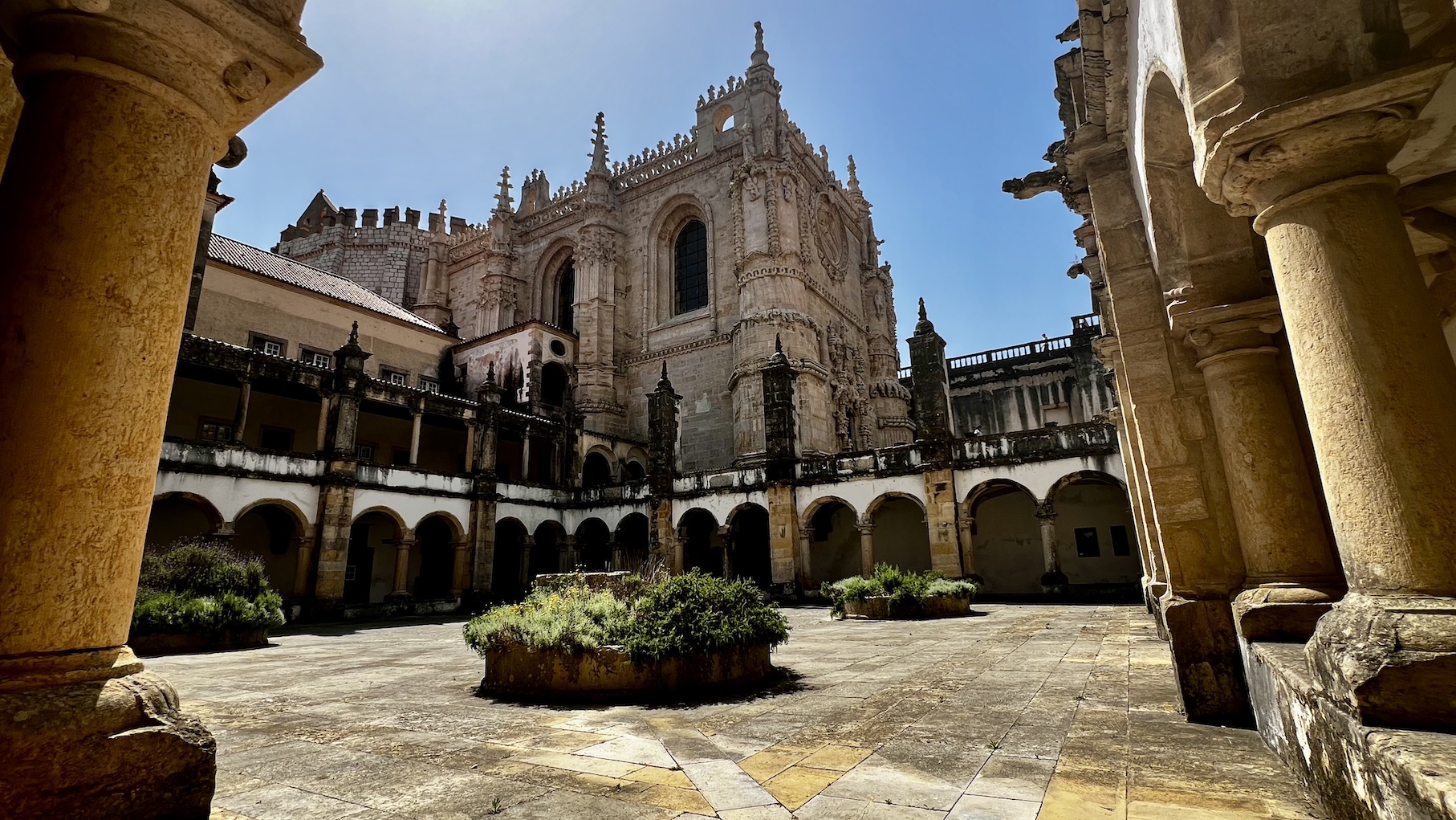
The Main Cloister, The Cloister of King Joao III is a two-story cloister that connected the monk’s dormitory to the church. The cloister is located outside the castle walls.
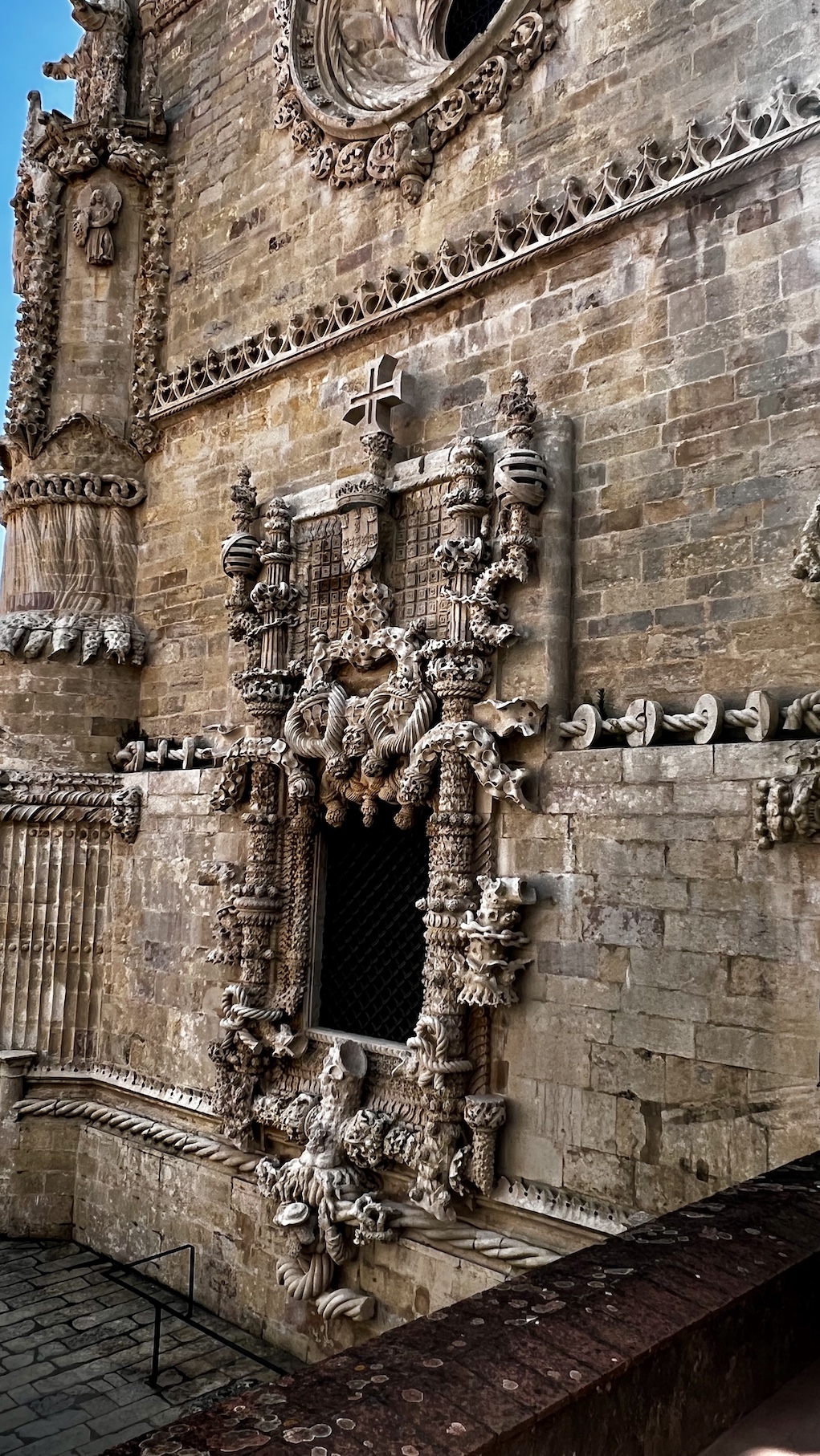
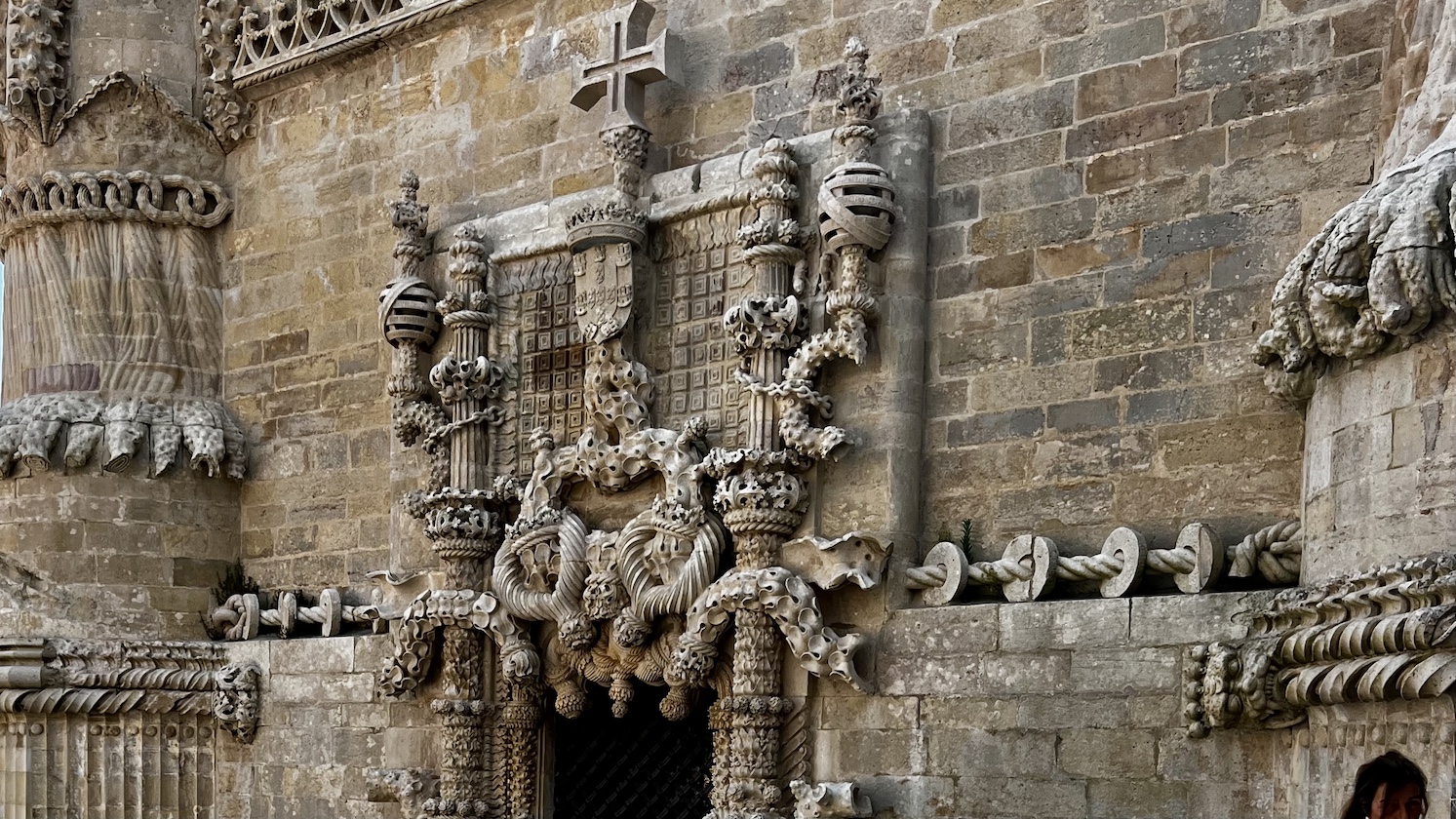
Here is a picture of the Manueline window of the Convent Church. The window symbolizes the Tree of Life. Look at the details around this window.
The Round Church
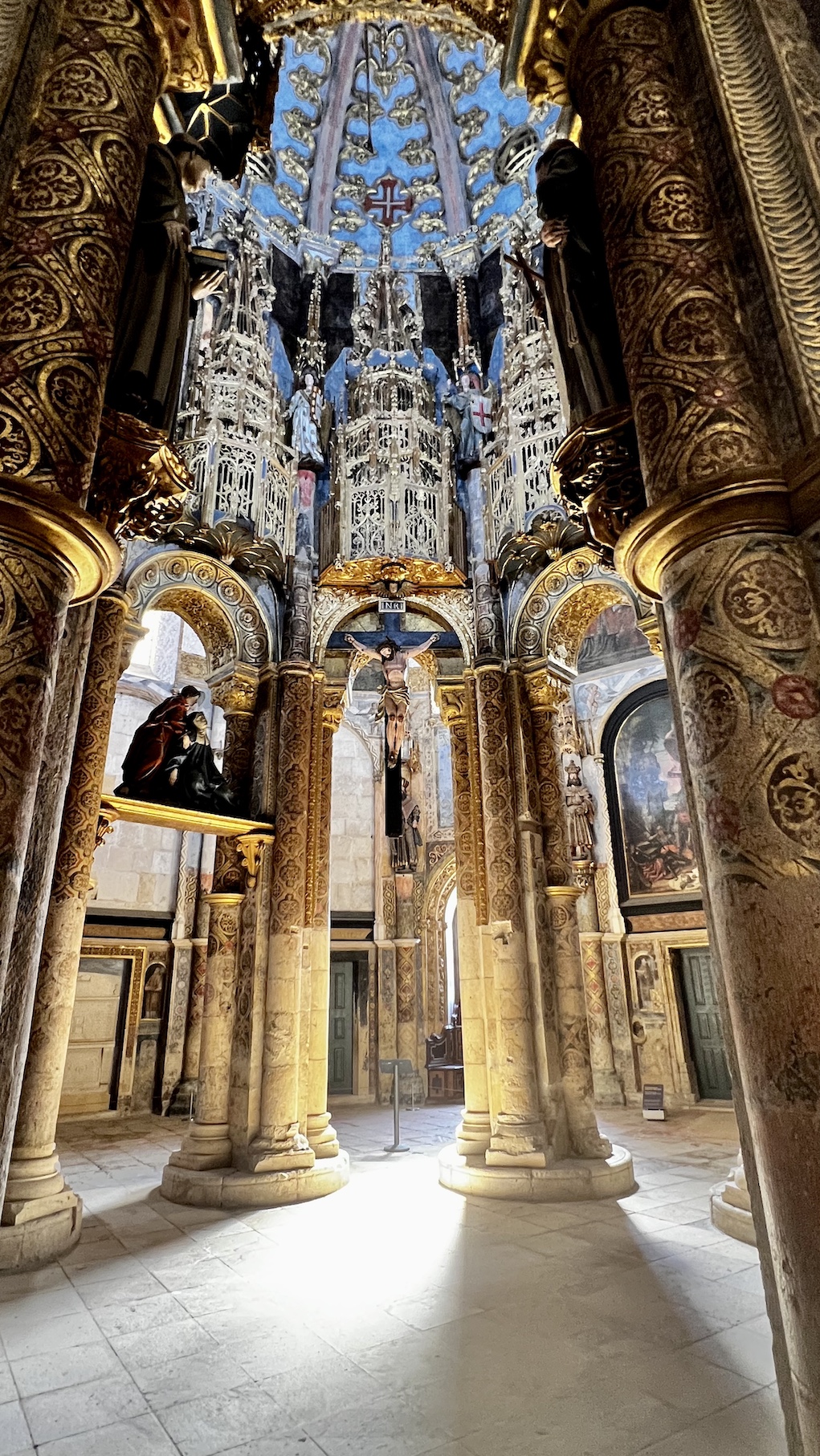
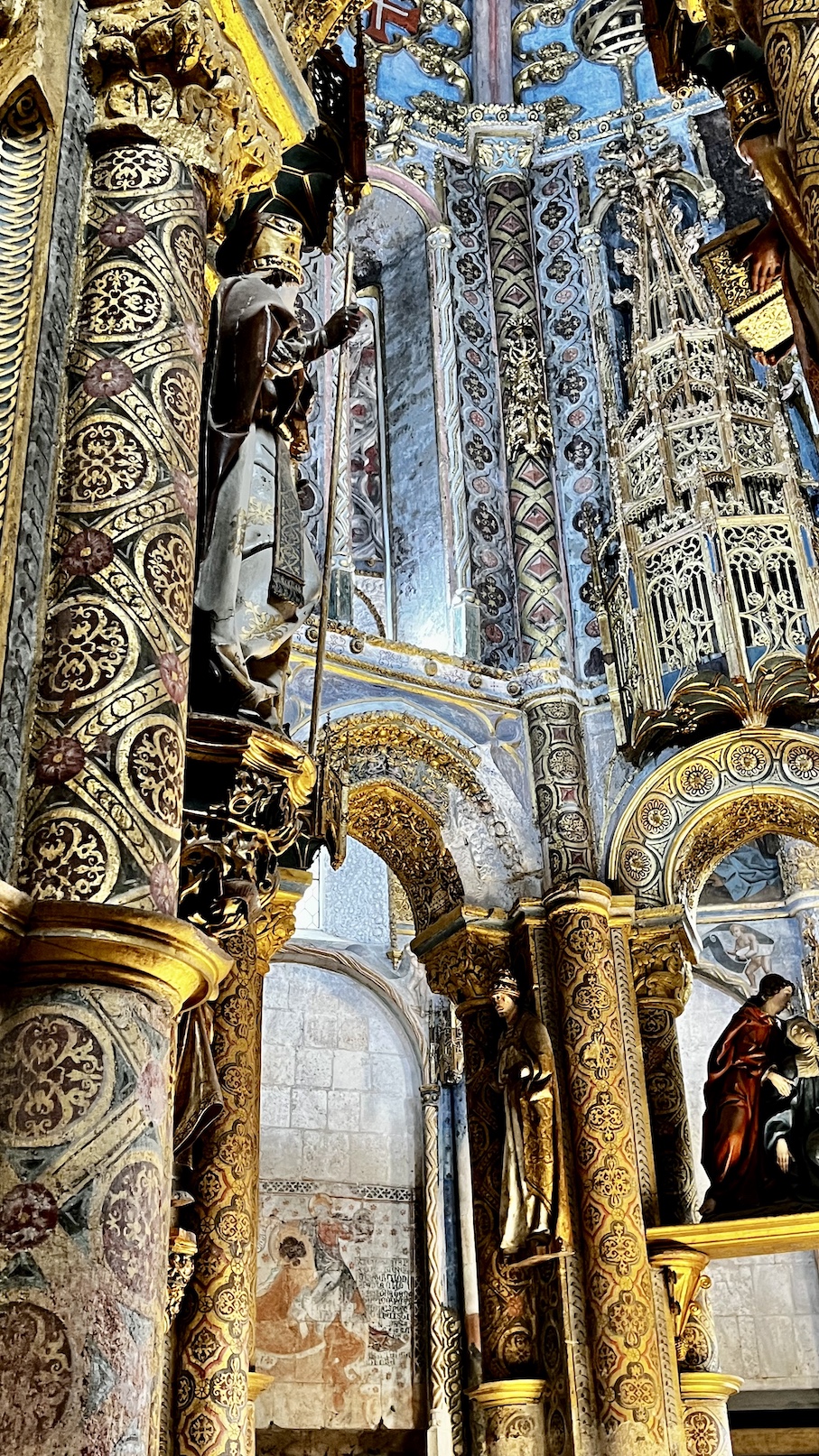
The Round Church or Charola is a 12th century church located within the Convent of Christ. It was built by the Knights Templar and is modeled after the Church of the Holy Sepulchre in Jerusalem which symbolizes the Templars connection to the Holy Lands.
I have never seen a church as decorative and ornate as this. It’s amazing to see such master craftsmanship.
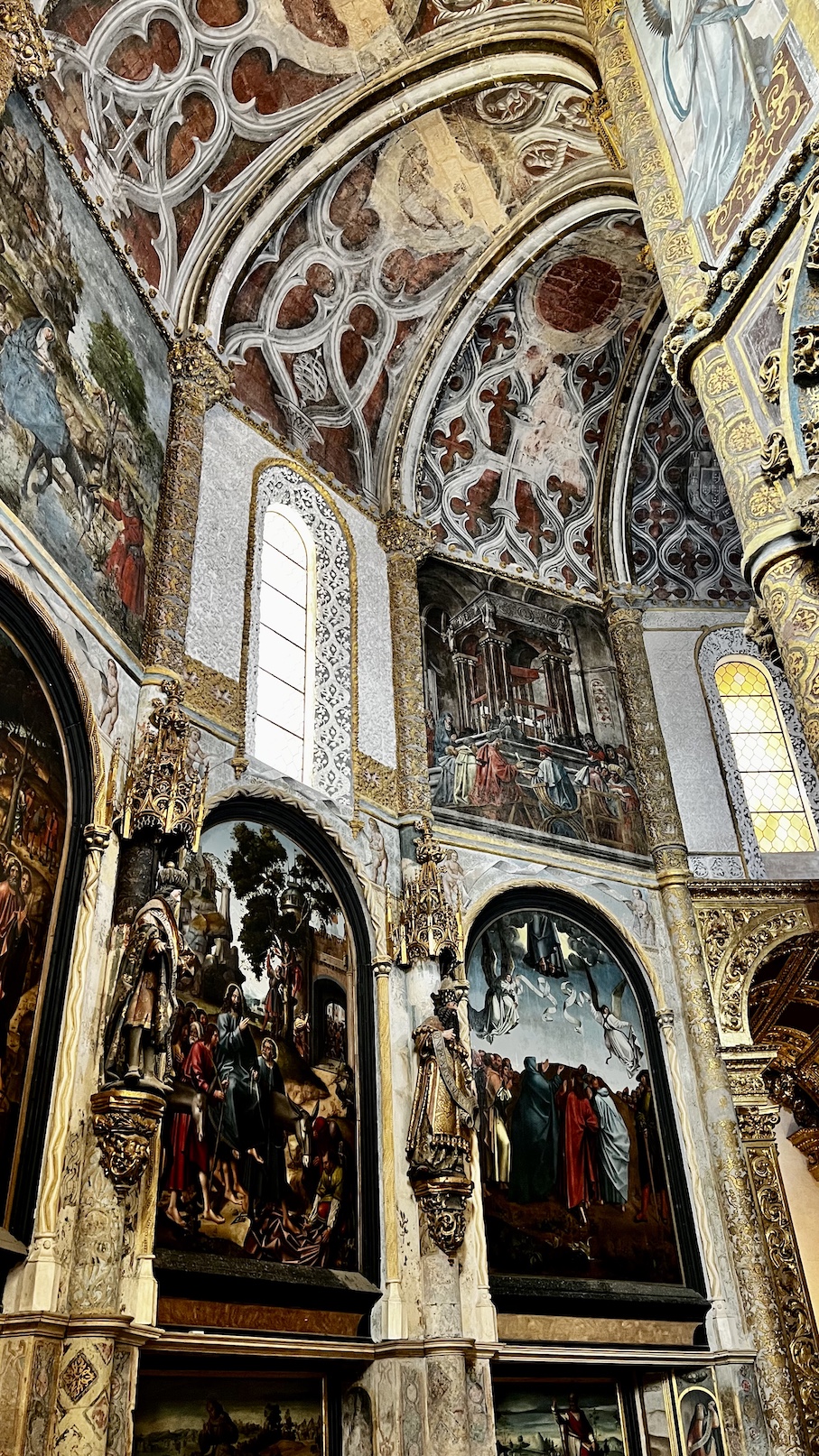
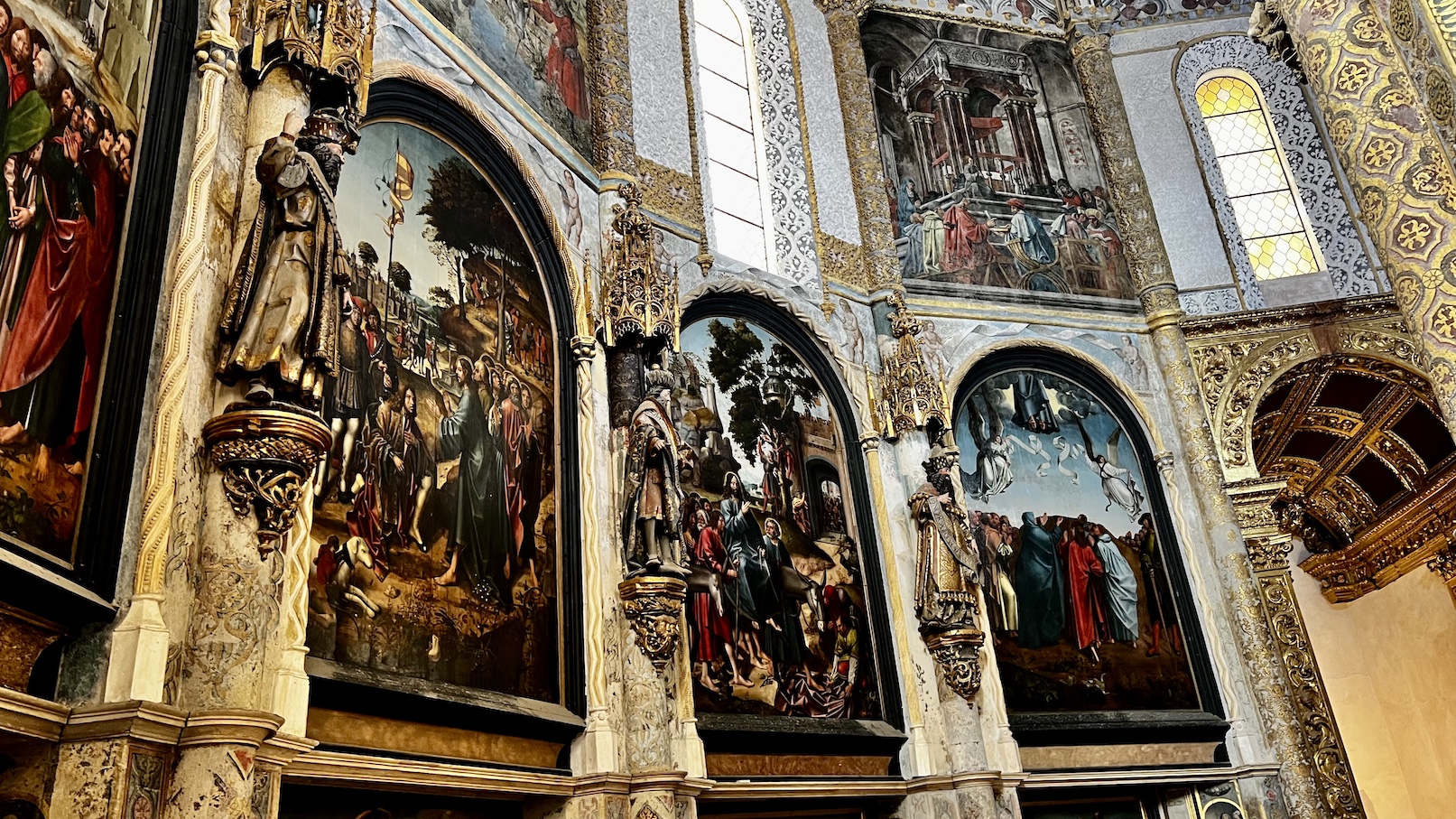
We could have spent all day wandering around the Castle of the Knights Templar and Convent of Christ. It’s an incredible historic site.
Think about walking around a castle that’s approximately 1000 years old and inside the Knights Templar structure which is about 500 years old. You are standing on the same ground that these Templar Knights walked. That’s pretty cool.
Now it’s time for our tour to head north.