

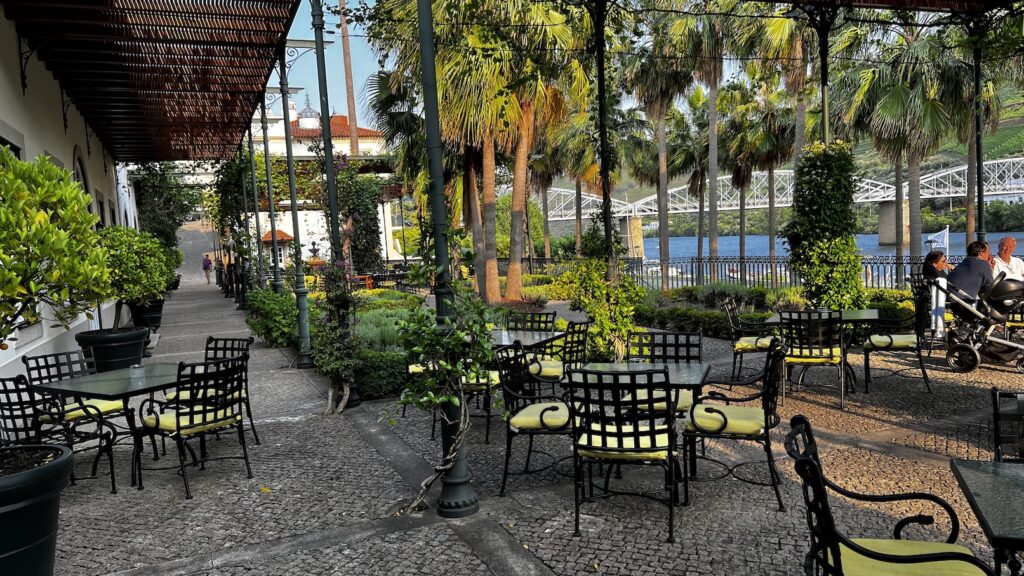
We stopped in Batalha on our way to Coimbra. If you have time, it is worth stopping here to explore the Batalha Monastery, a UNESCO World Heritage Site.
Batalha
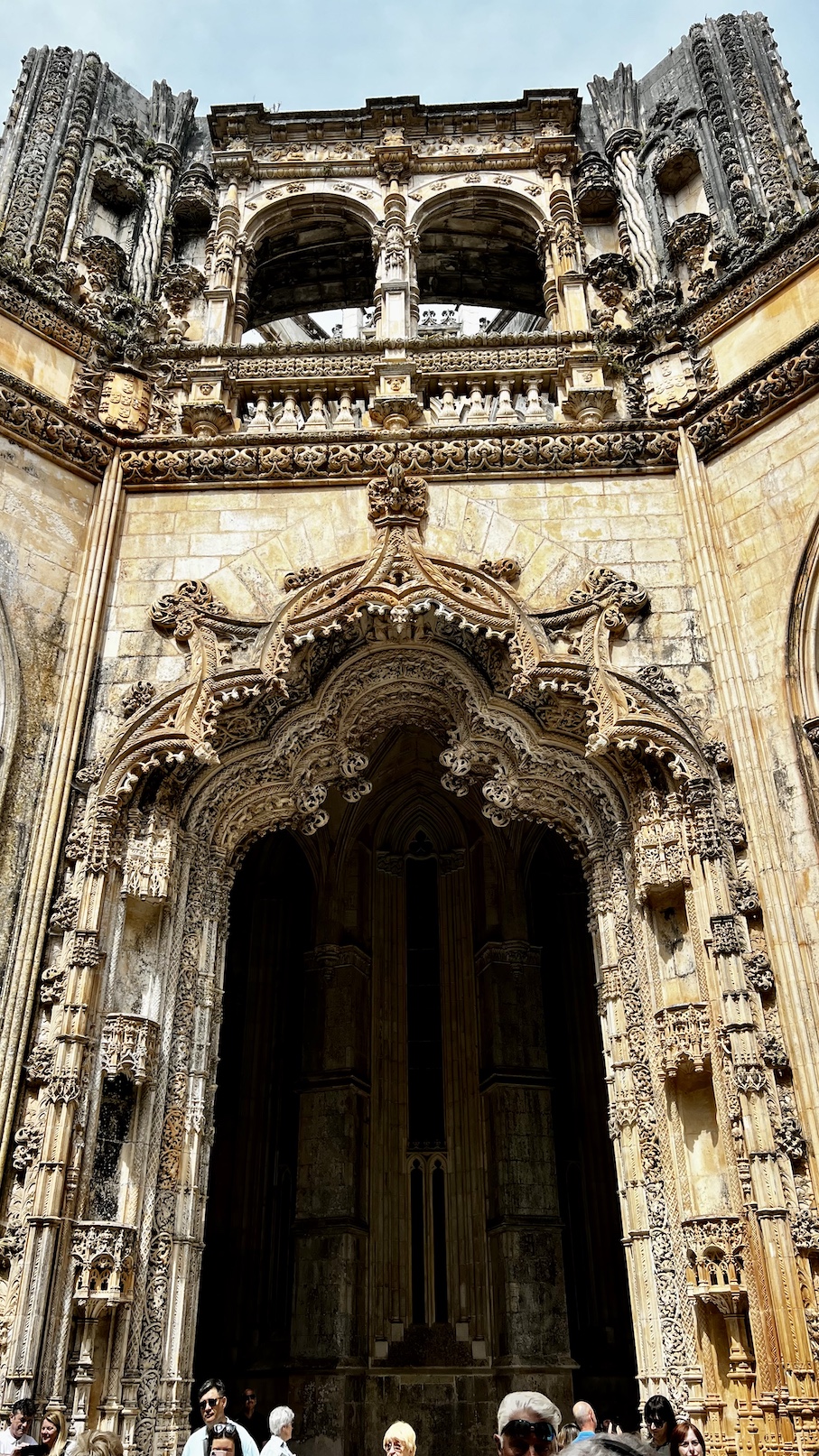
Monastery of Batalha
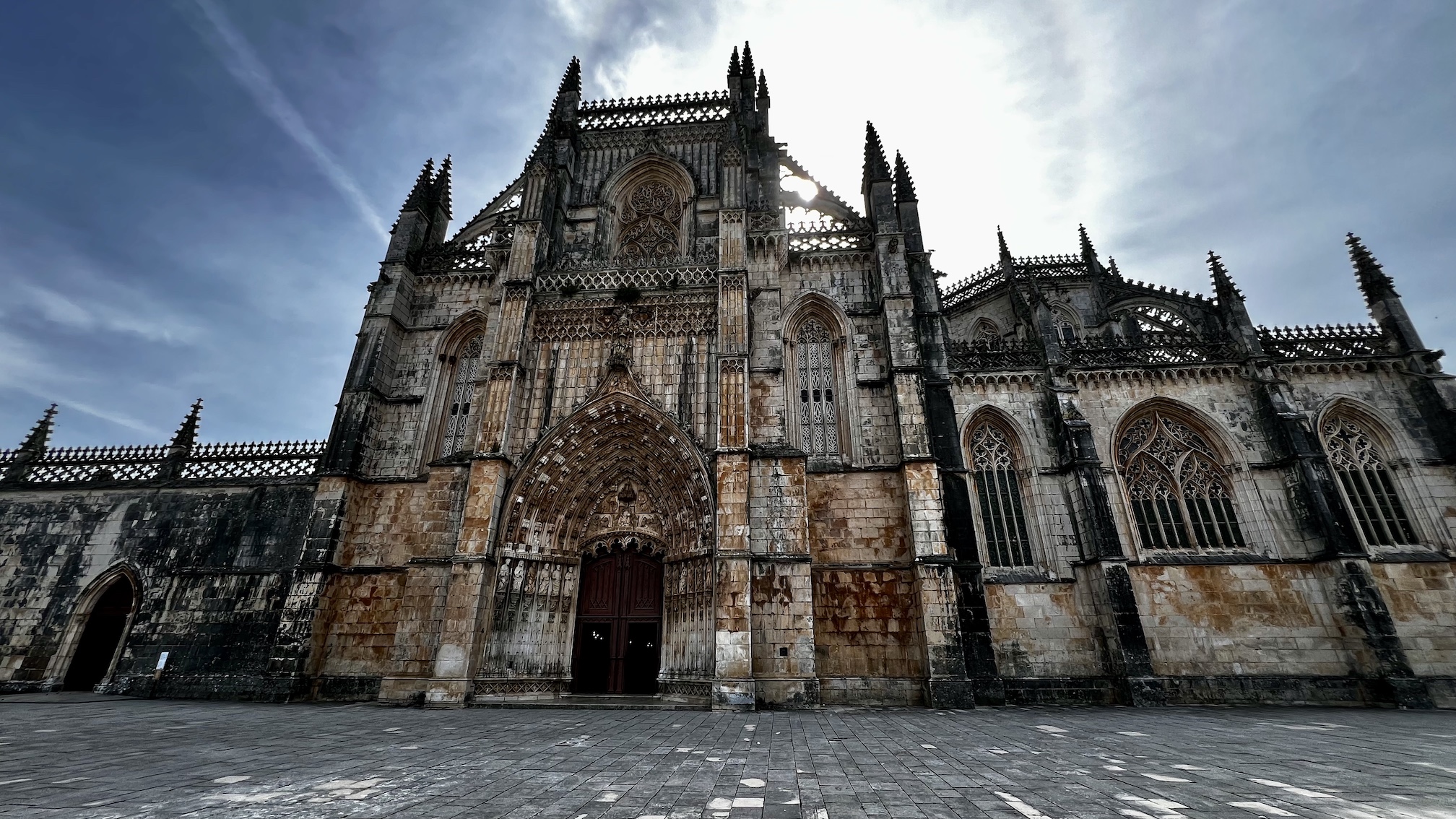
The Monastery of Batalha was built to commemorate the Portuguese victory over the Castilians in the battle of Aljubarrota,1385. Batalha means battle in Portuguese.
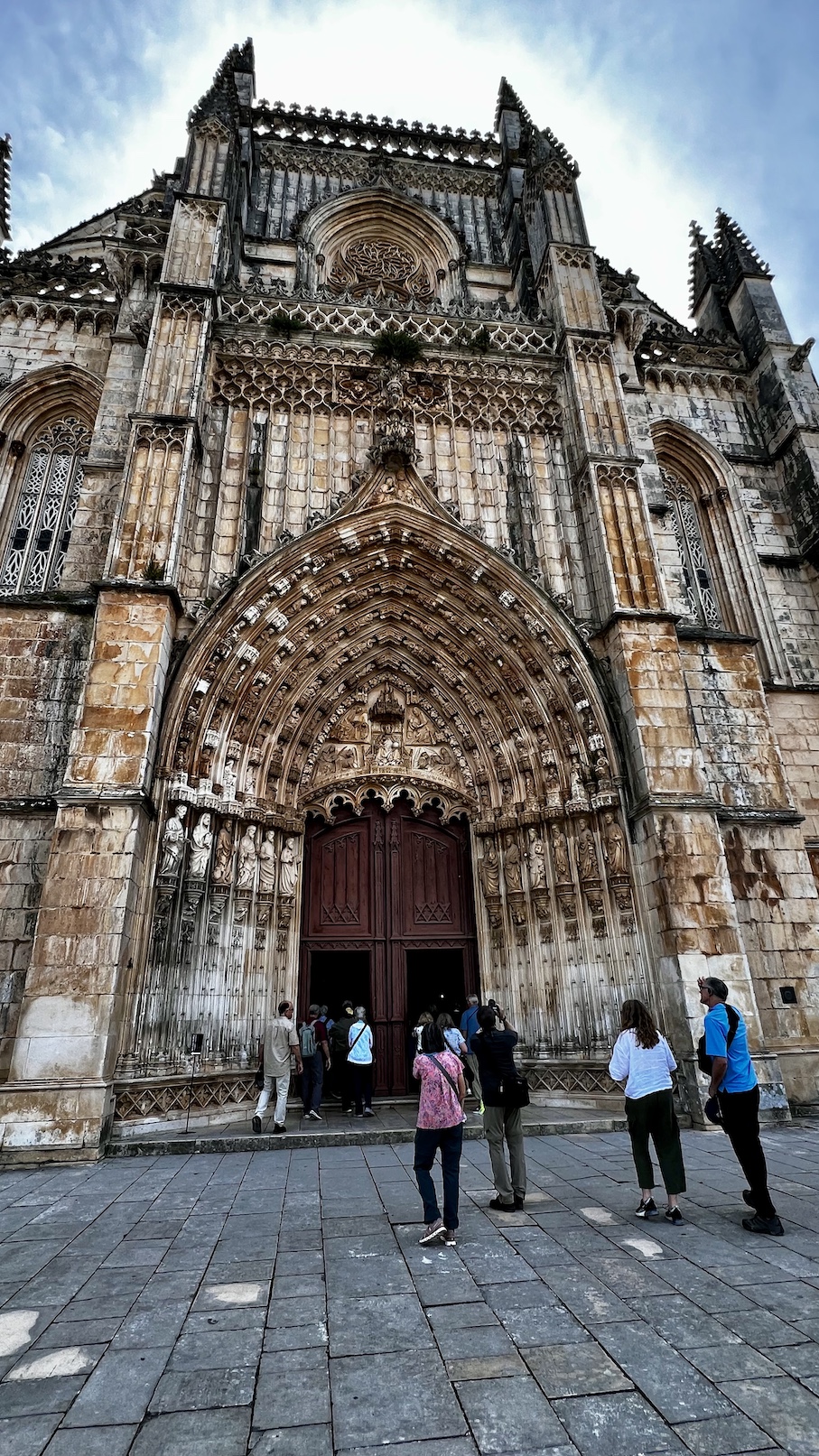
The outside of the Gothic style monastery is stammering WOW but inside you’ll see
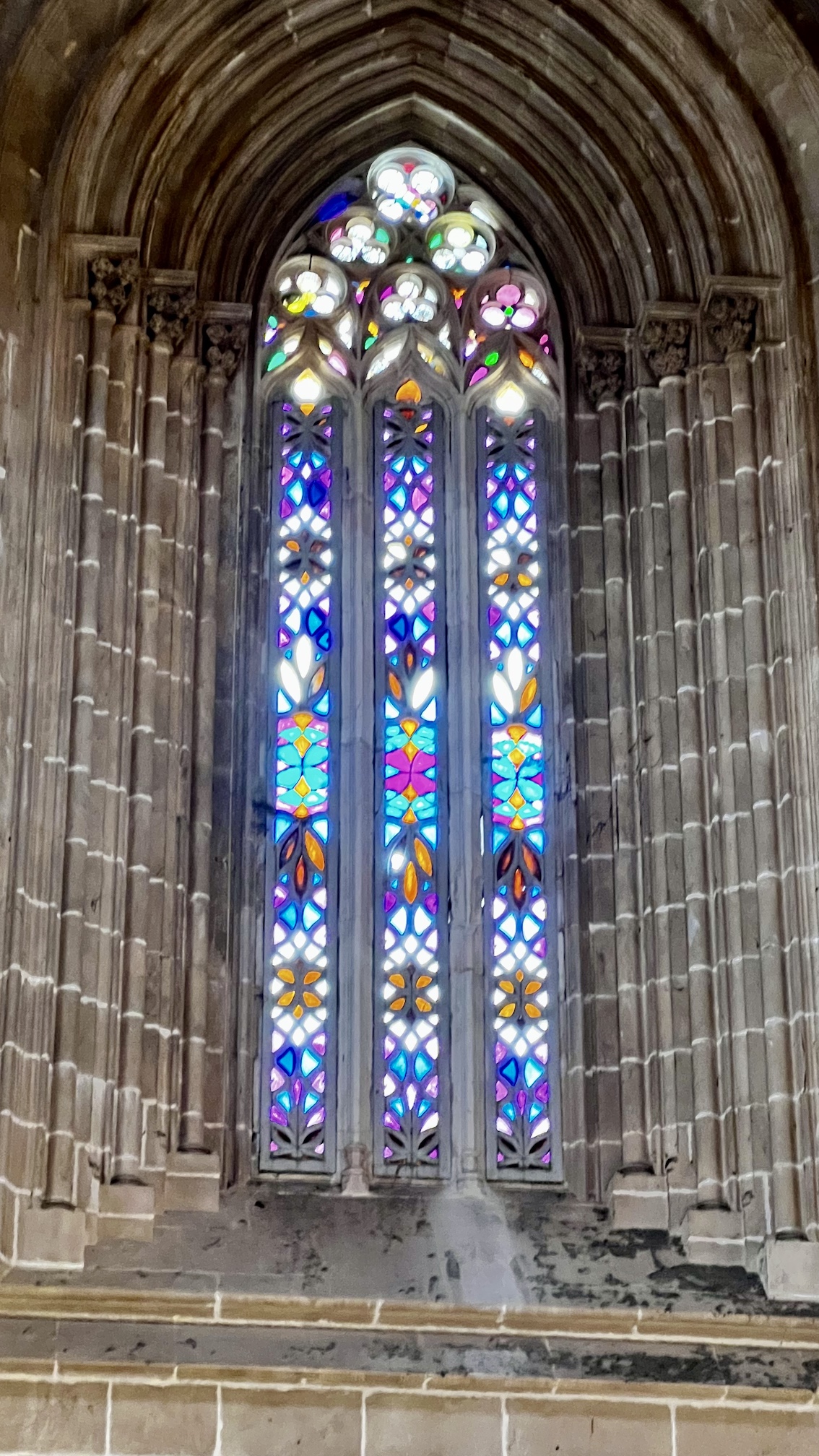
beautiful stained-glass windows, cloisters, the unfinished chapel and the tombs of Portuguese notables. The details and symbols in the construction are incredible.
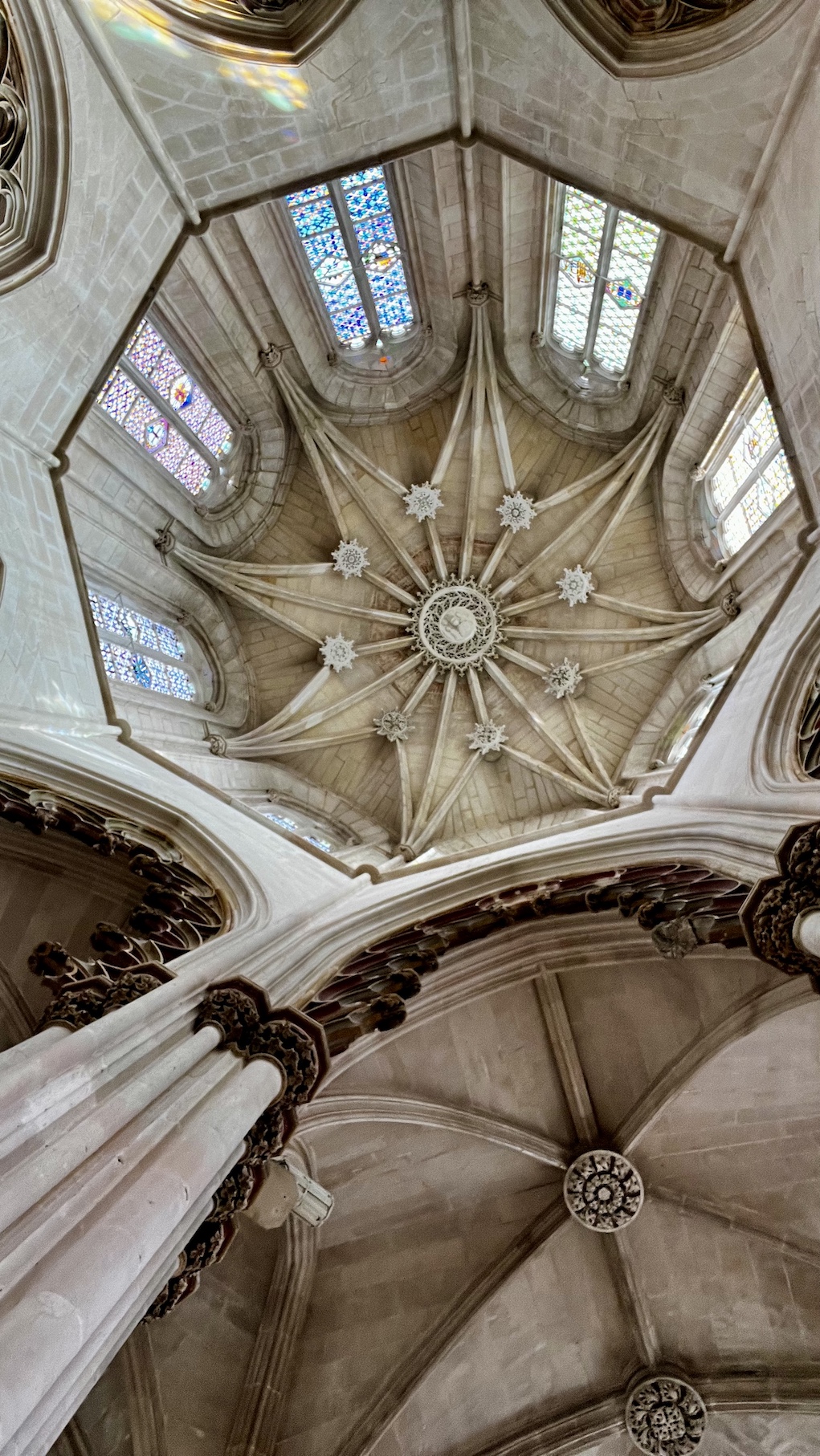
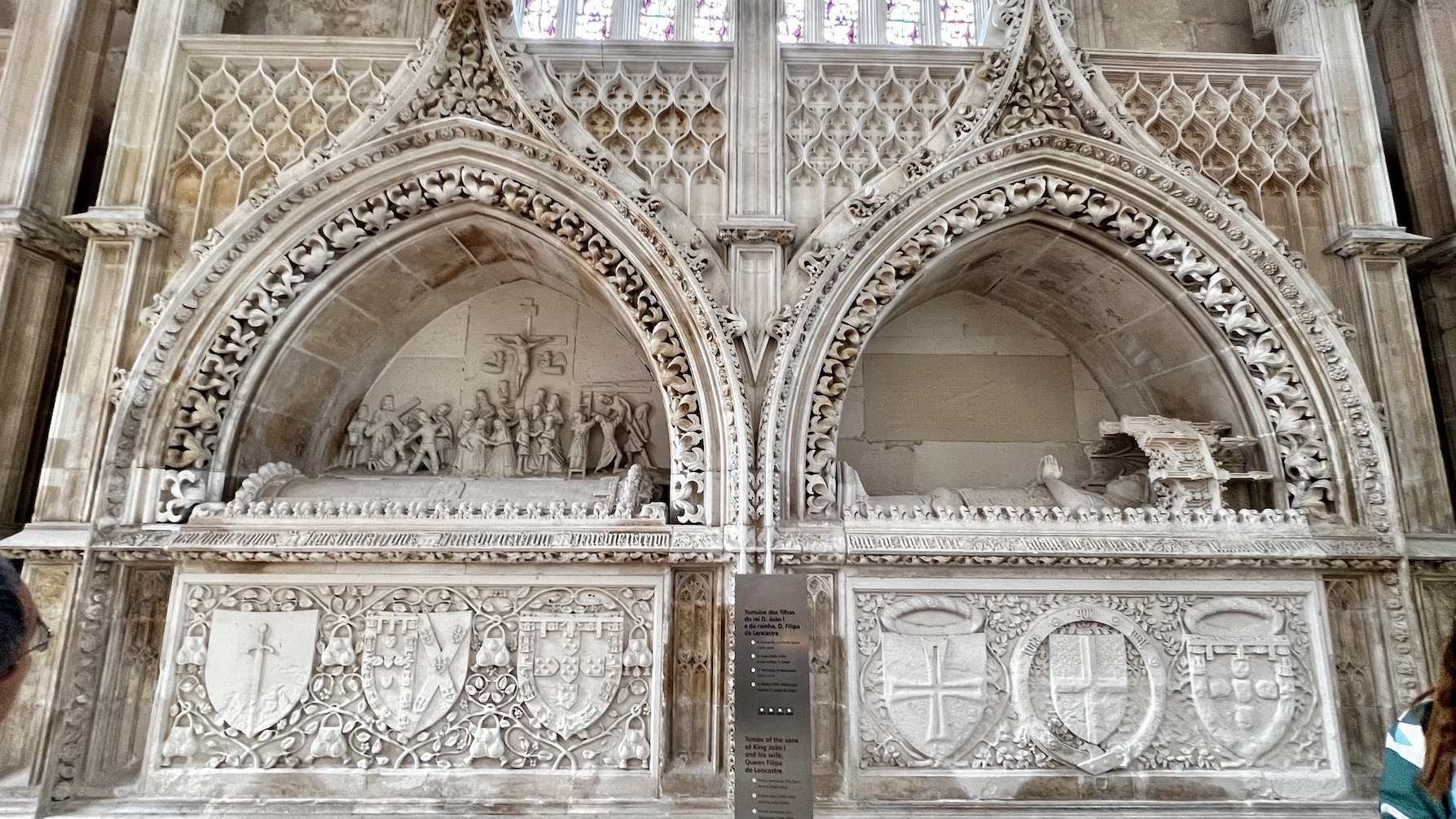
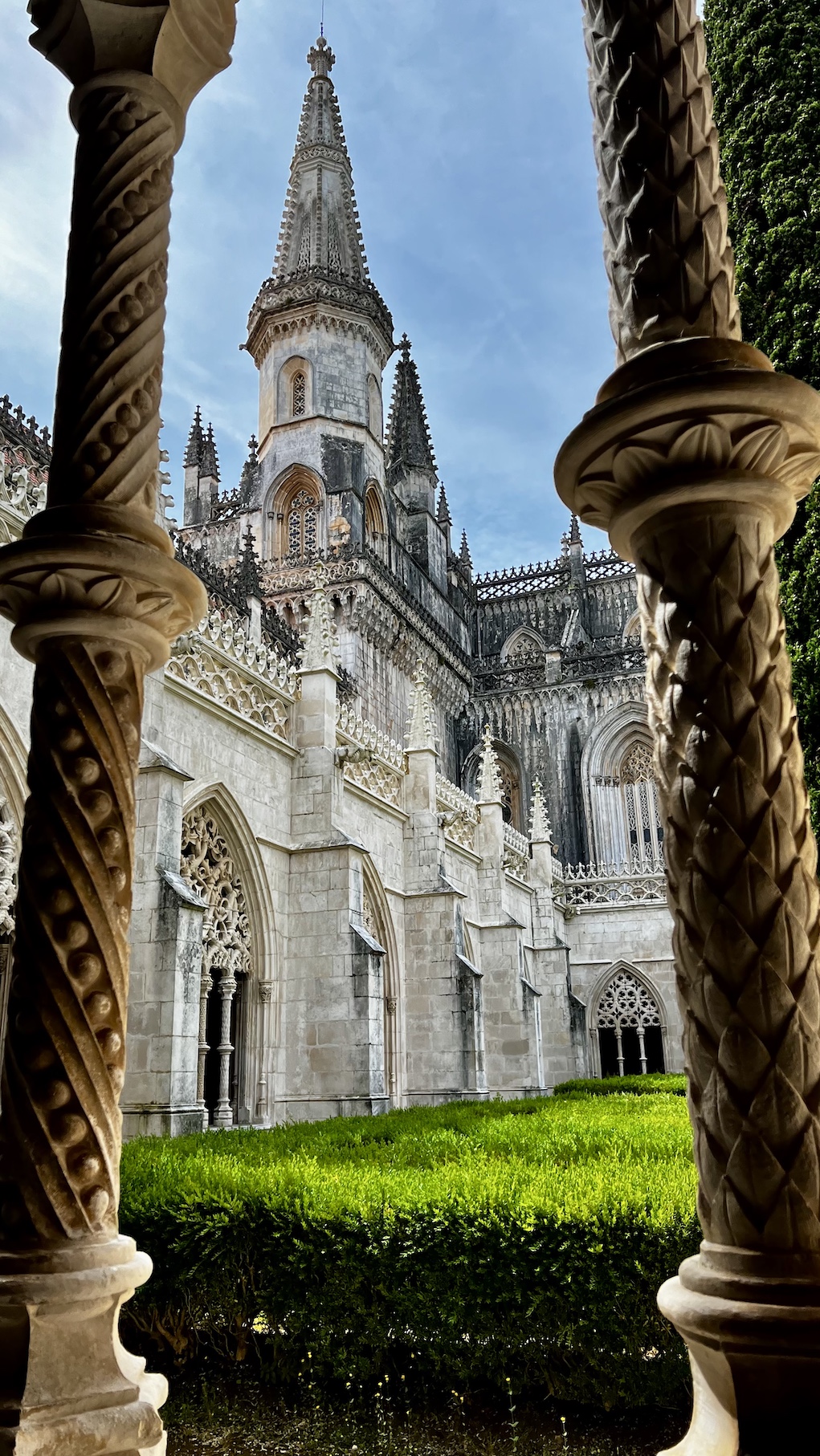
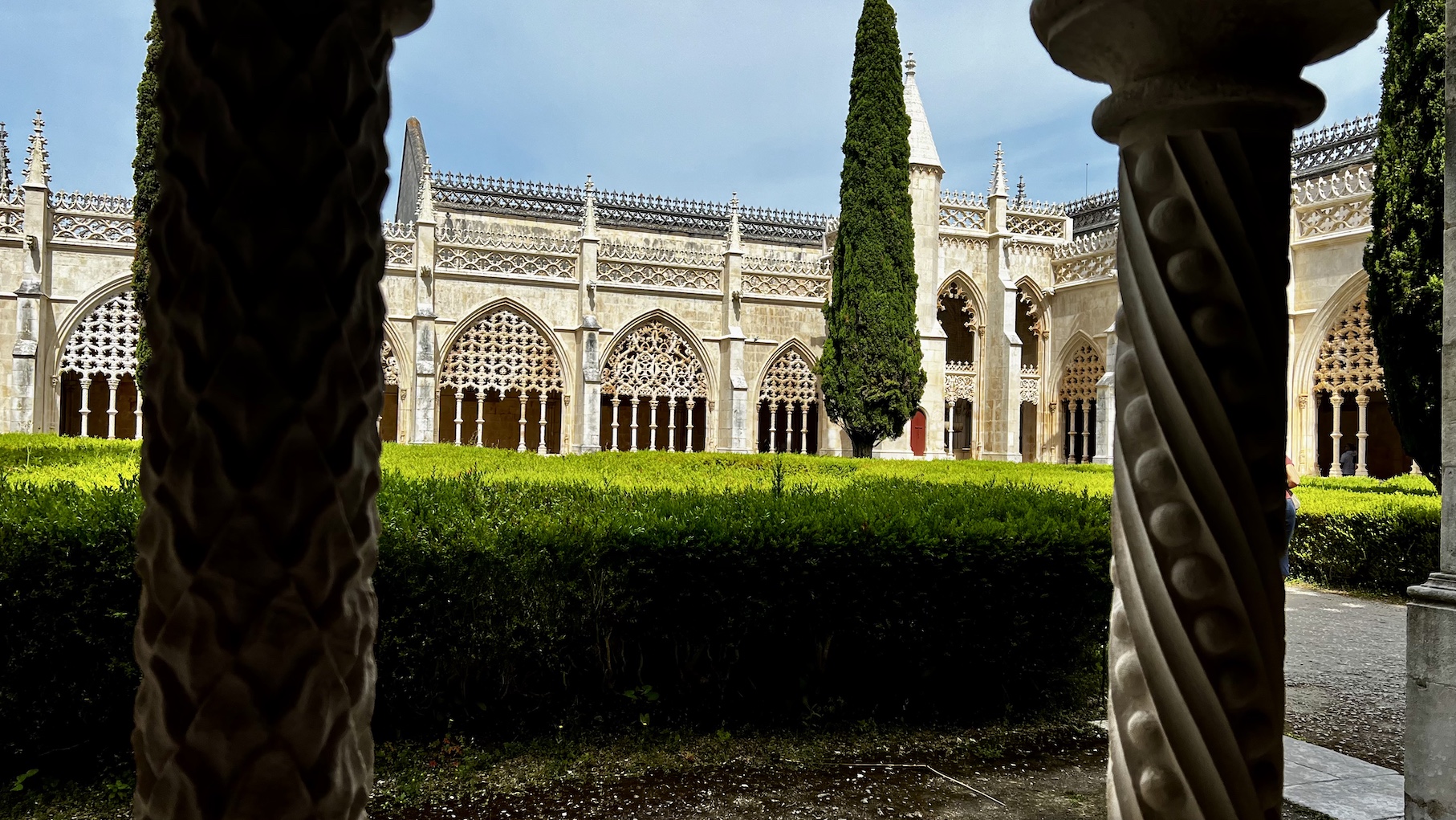
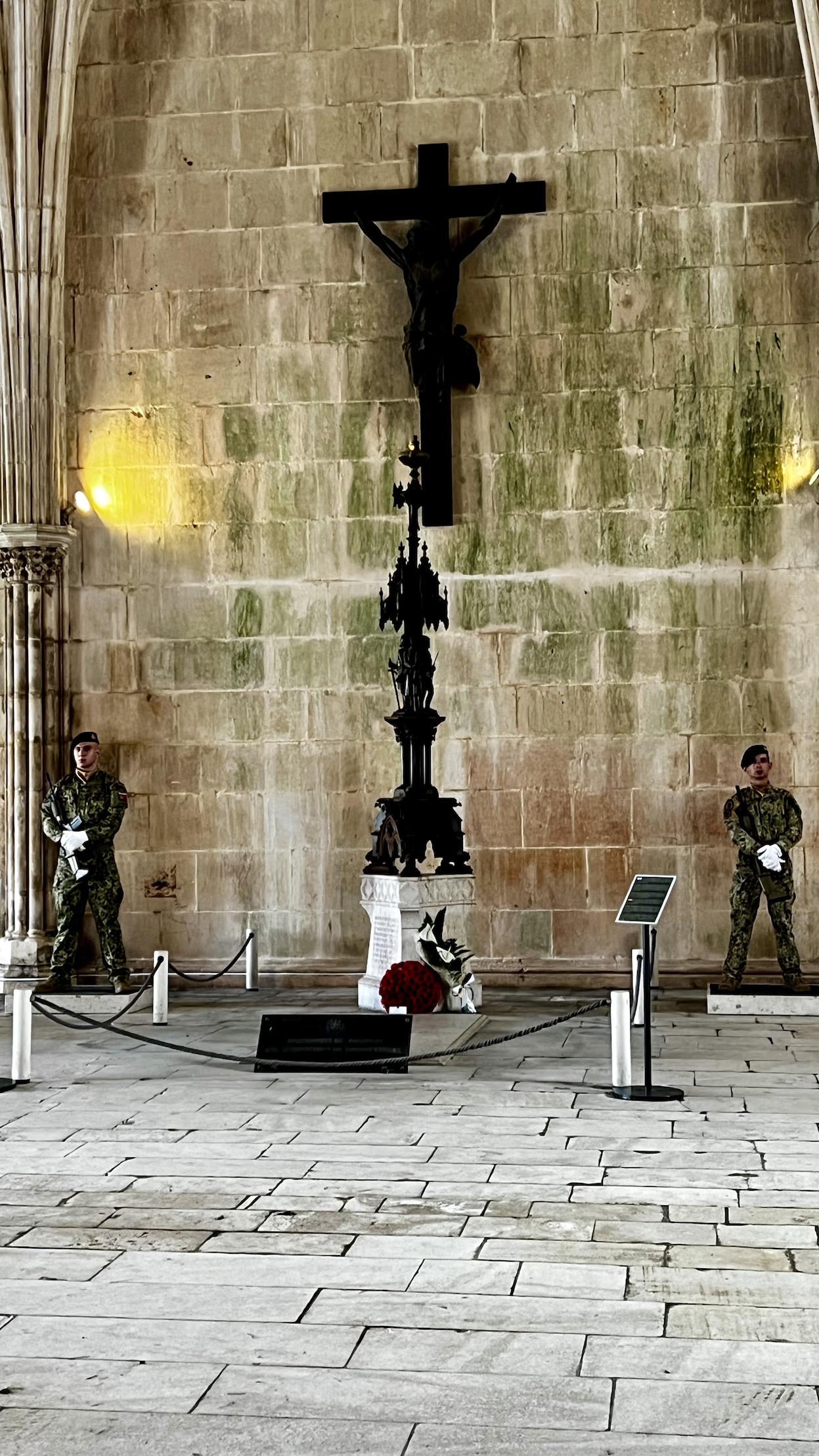
Housed inside is also the Tomb of the Unknown soldier. We hoped to witness the changing of the guards, but unfortunately our timing was not right.
Coimbra
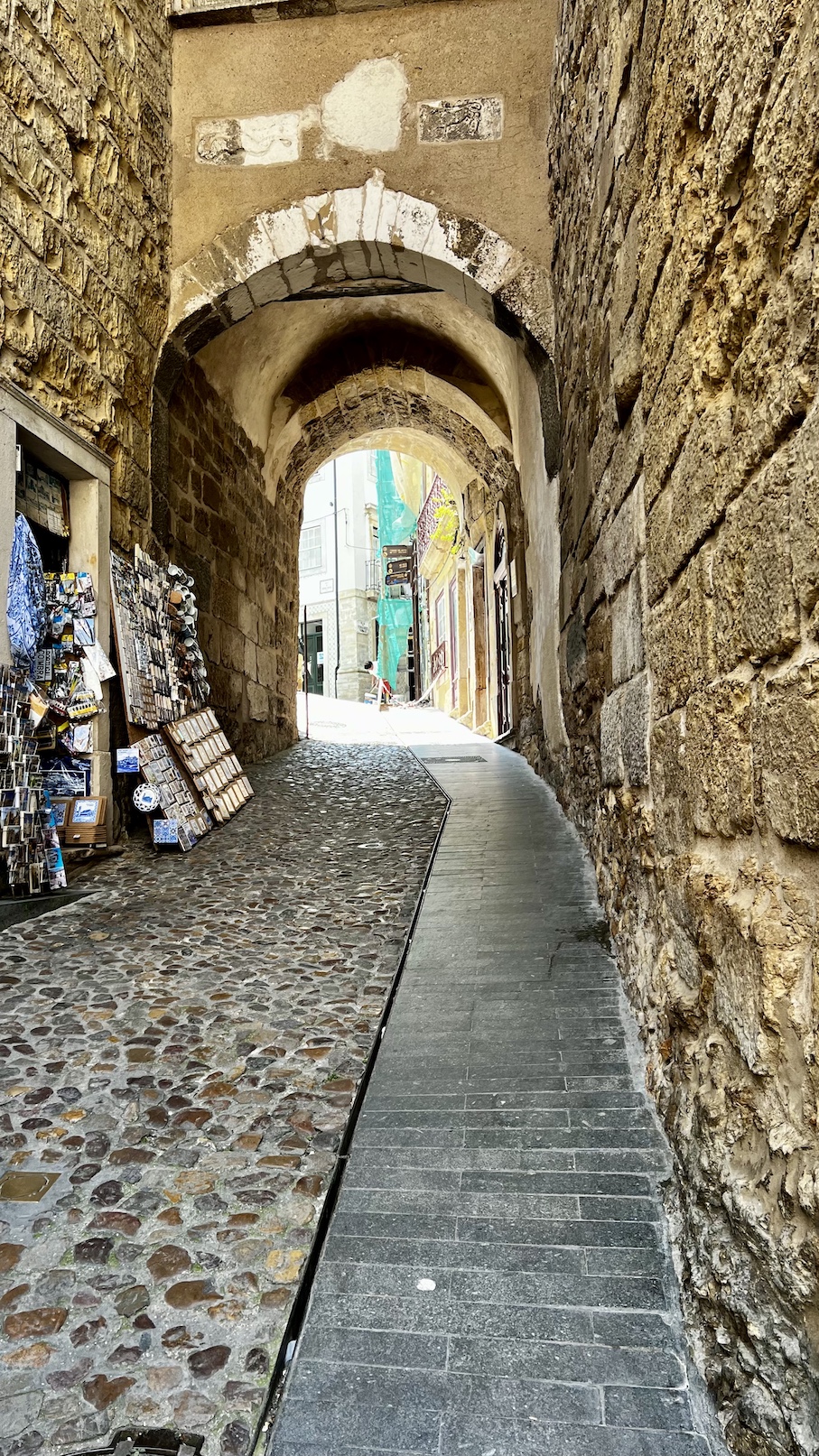
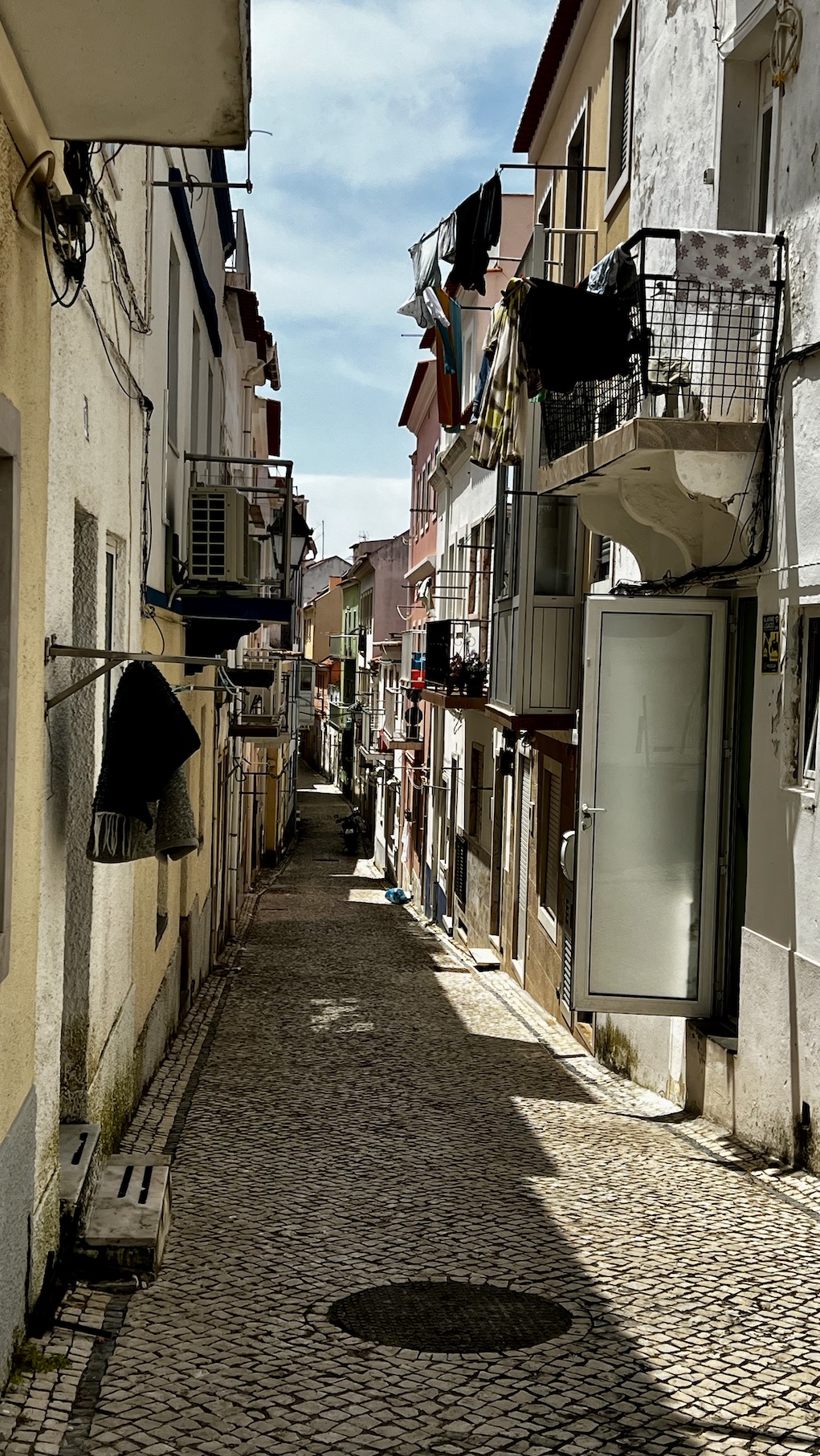
Coimbra is a riverfront city in central Portugal. Fatima took us on a walking tour through the historic district that has narrow streets in this medieval old town.
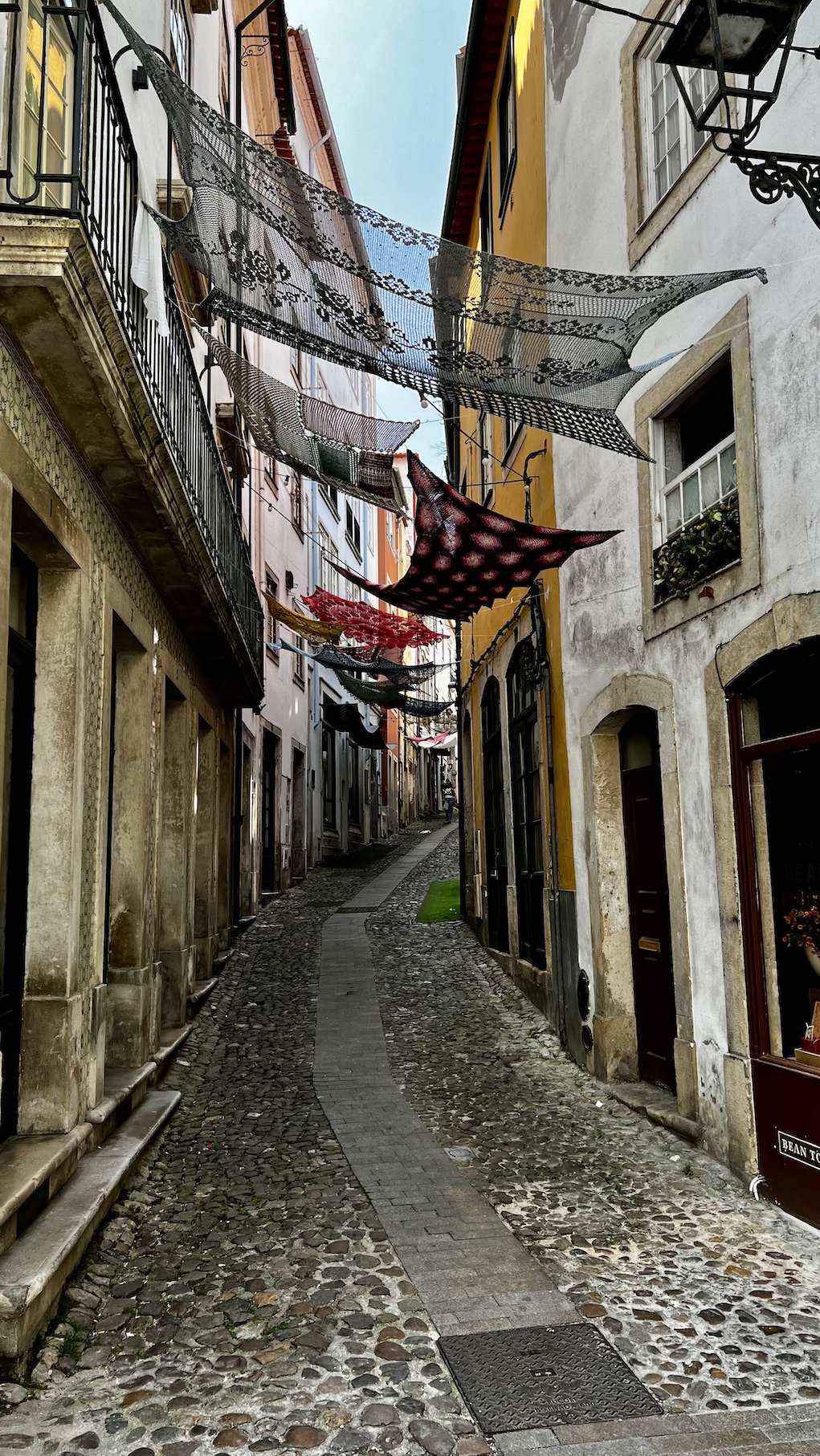
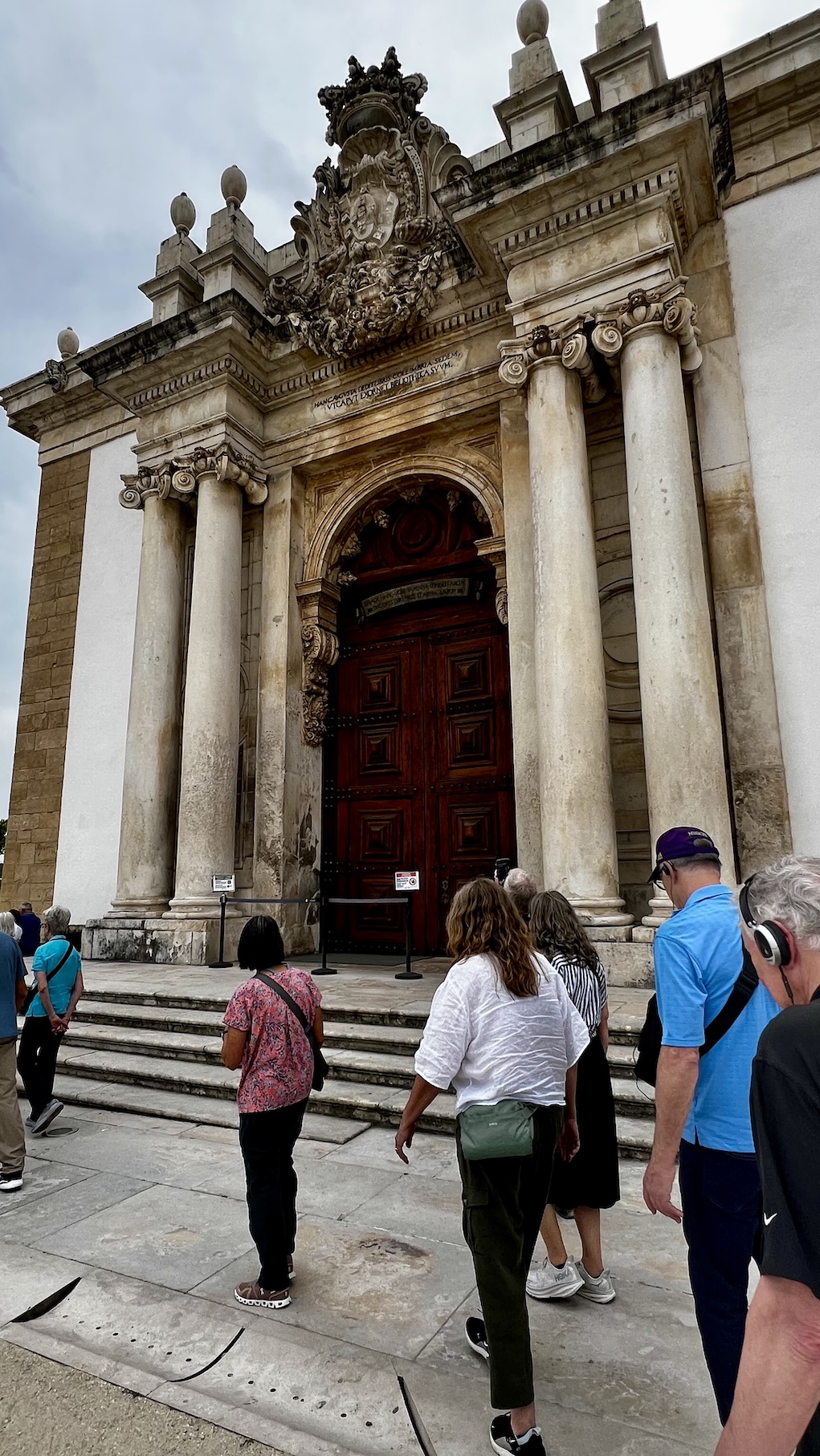
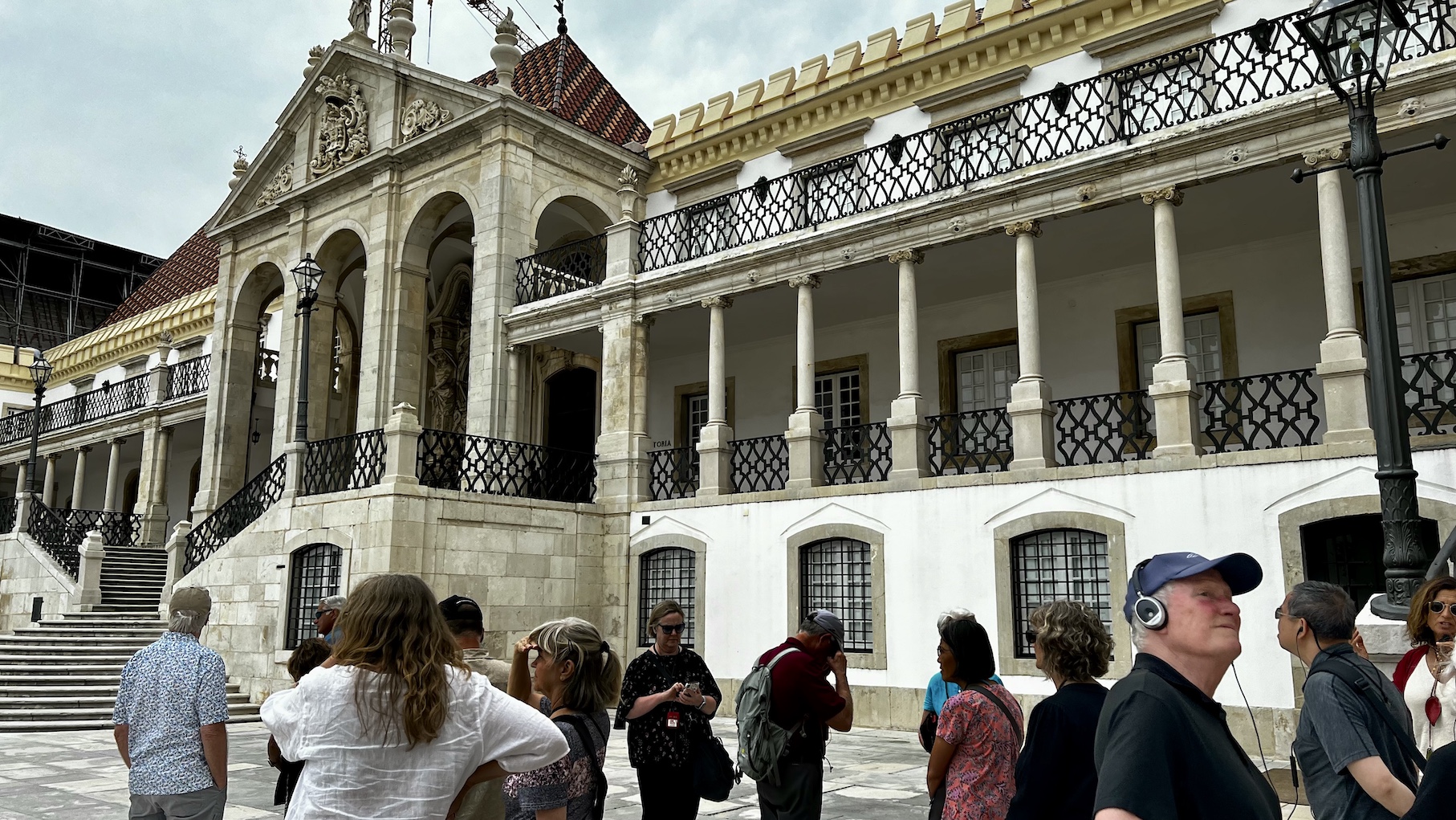
The Coimbra University’s highlight you don’t want to miss is King Joao Library.
King Joao Library
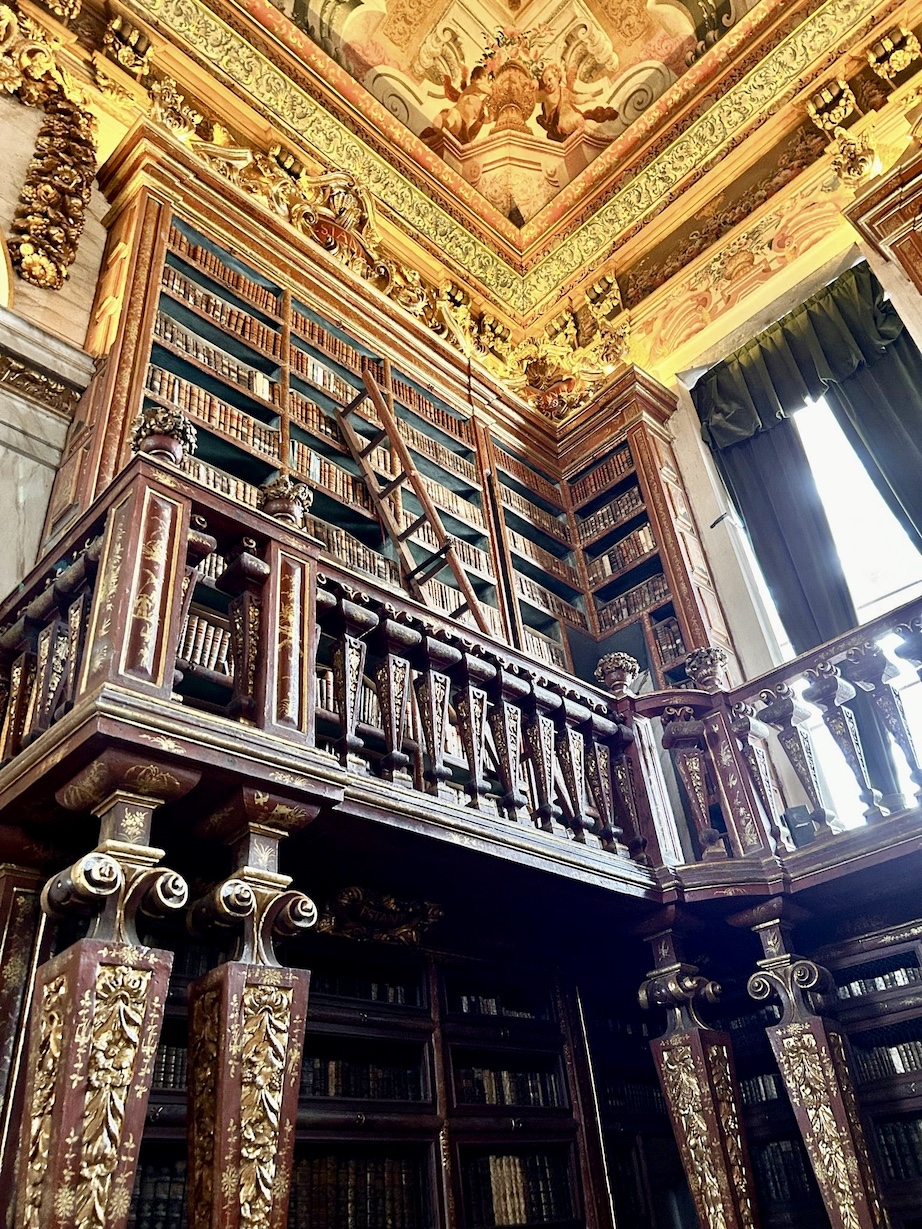
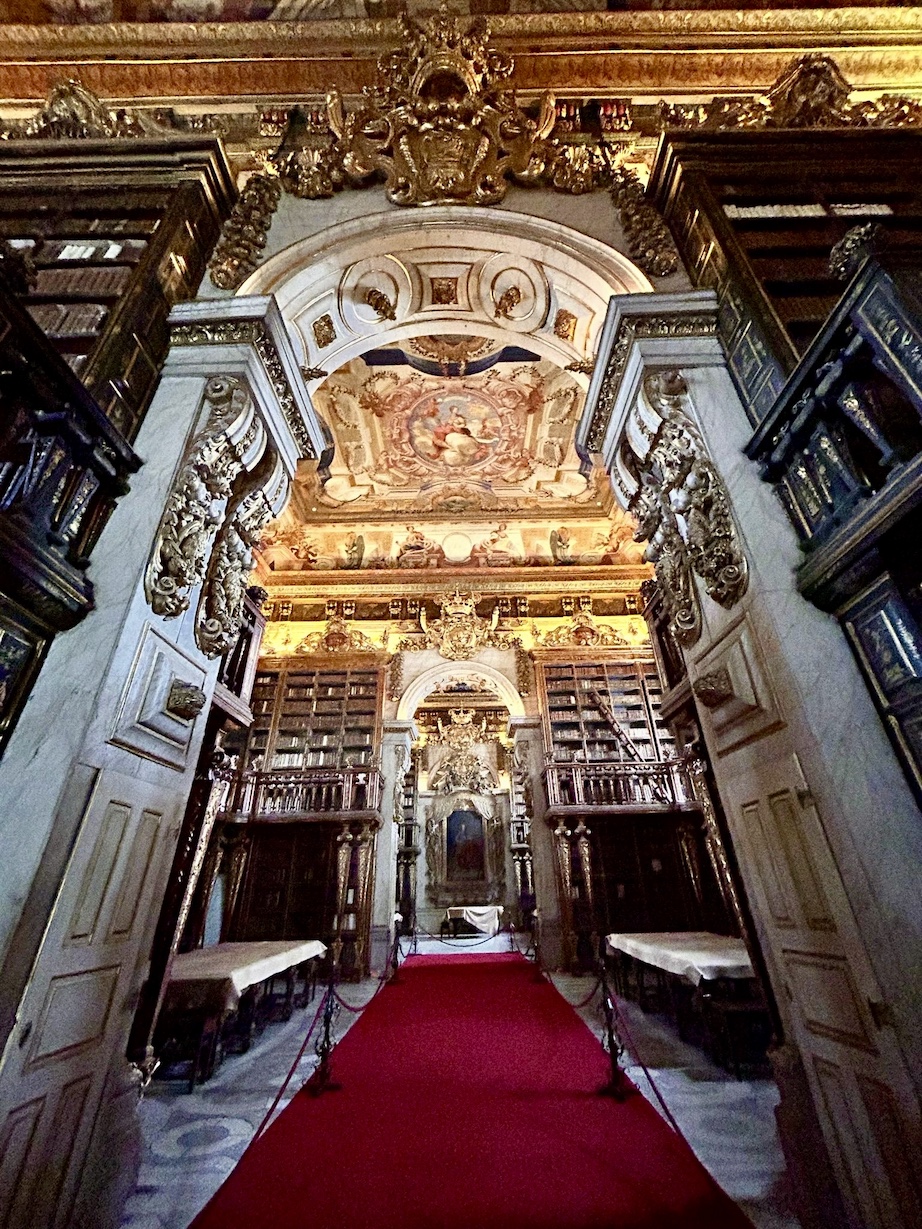
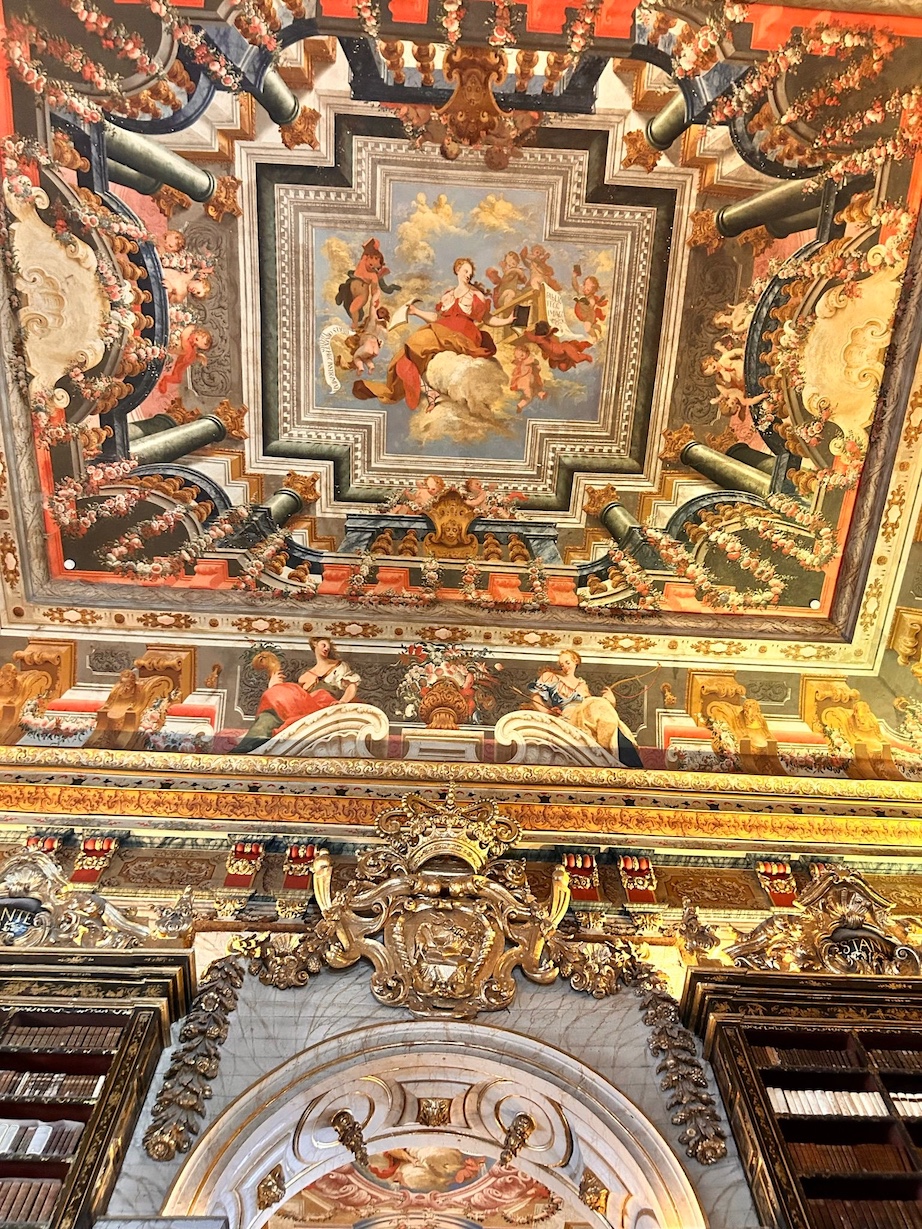
The King Joao Library is the oldest library in Portugal. The Baroque library has 40,000 18th century books. Even though the library looks like it has marble columns and arches, they are painted wood. The reason? Marble adds to humidity and humidity damages books.
You are not allowed to take pictures inside. Our guide, Fatima, shared these pictures with us later.
Tips:
- Since we were doing a Rick Steves’ tour our tickets were purchased for us by our tour guide. You should book in advance. Tickets sell out fast. You’ll get a time slot (don’t be late) and you’ll only get about 20-30 minutes inside the building. It’s a library you’ll want to see.
- If you purchase tickets from their website, it’s a self-guided tour.
- If you’re hungry there is a student cafeteria that is open to the public.
If you’re lucky enough, you’ll see students wearing black capes, the traditional school dress.
Fado is the folk music of Portugal. Generally, singers of Fado music are performed by women. (We were treated to a performance in Lisbon) The singer sang about love, and loss.
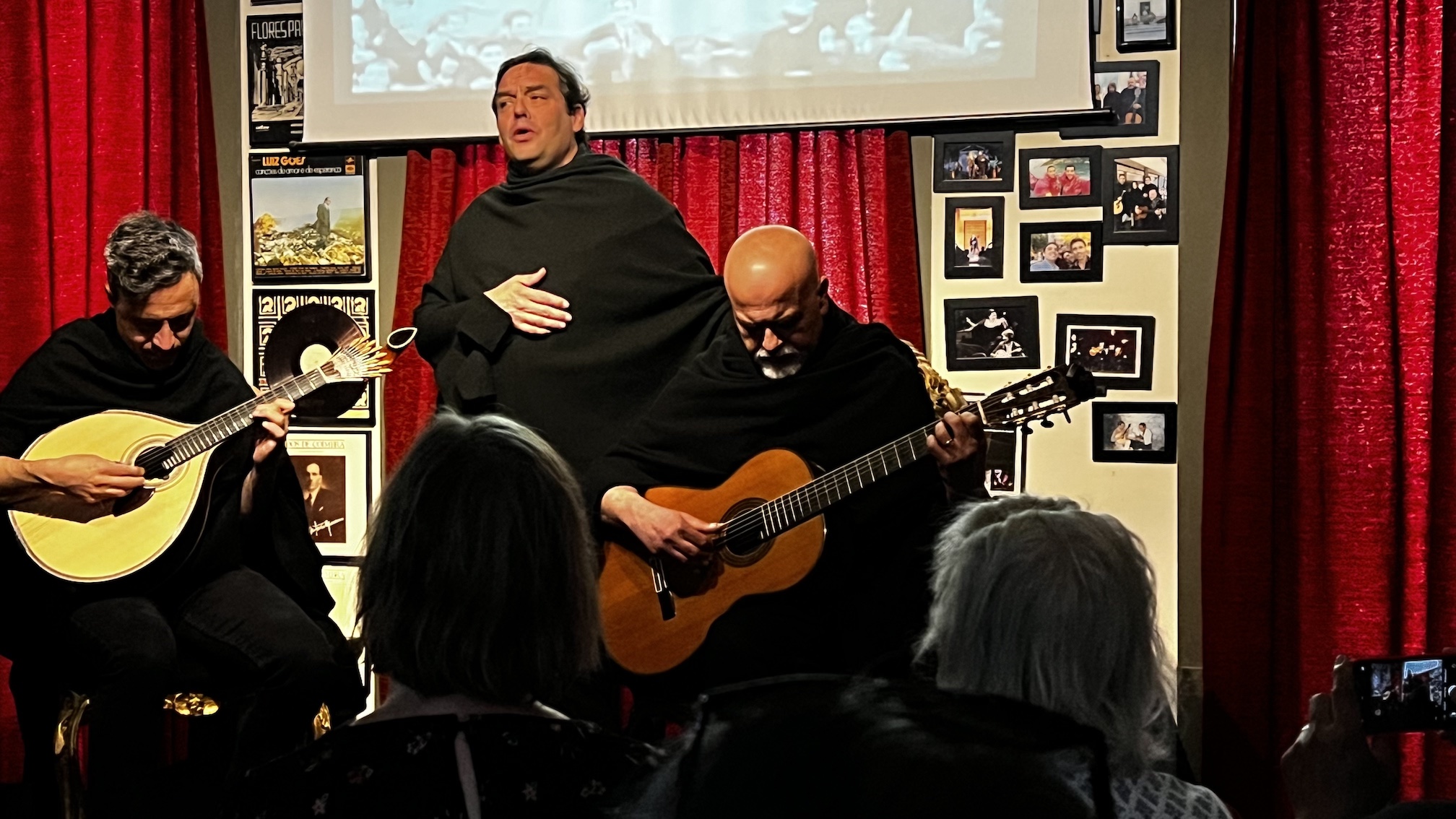
In Coimbra, men perform Fado music. Many of the men are or were students at the university. Their songs are geared to what students would relate to, protests, and political issues. The singer is accompanied by a Portuguese guitar and a tradional guitar.
Students in their black capes might use Fado music to serenade woman they are trying to win over.
I liked the town of Coimbra. I highly recommend you put it in your itinerary.
Restaurant recommendation:
- Restaurante Italia
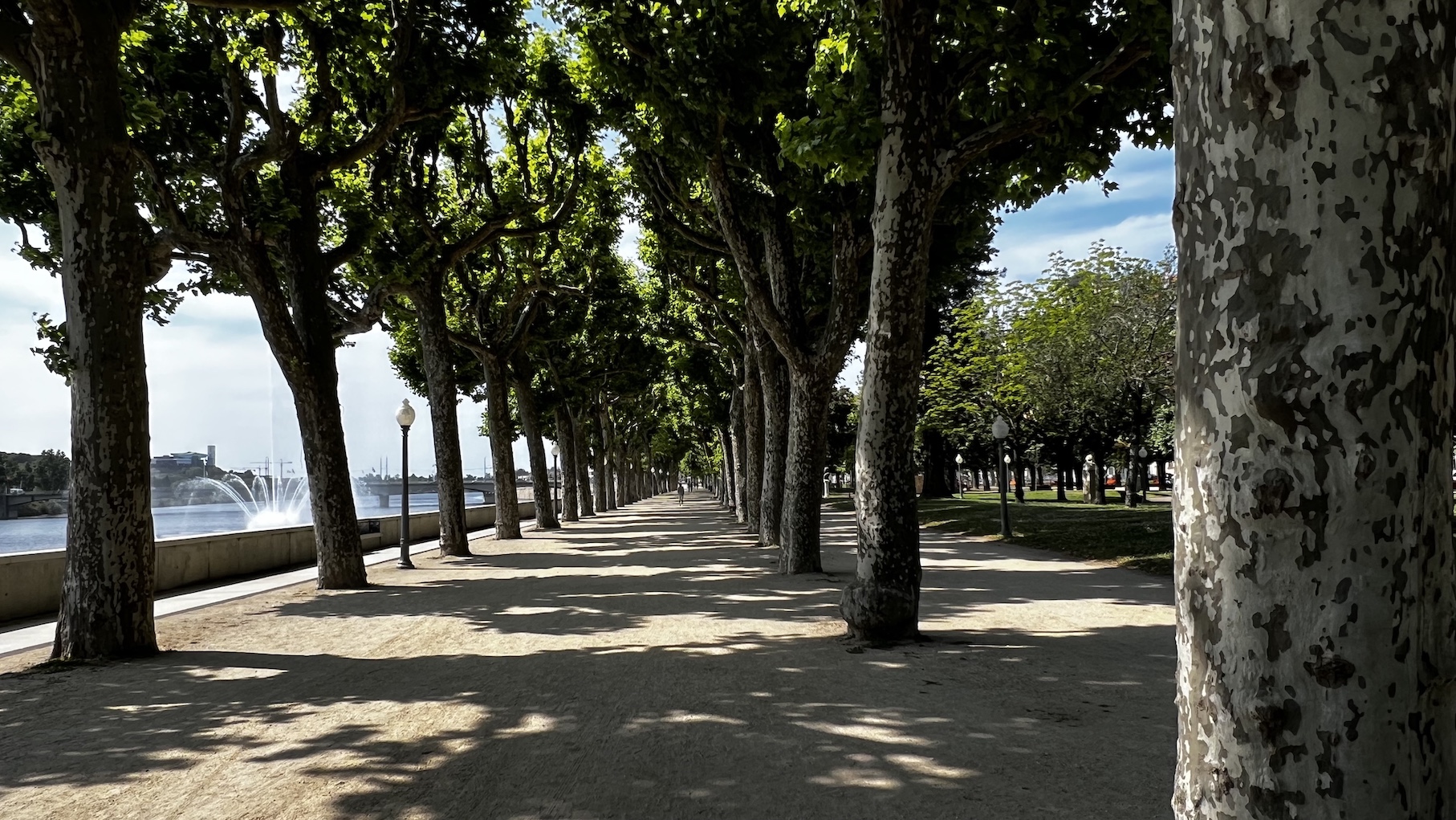
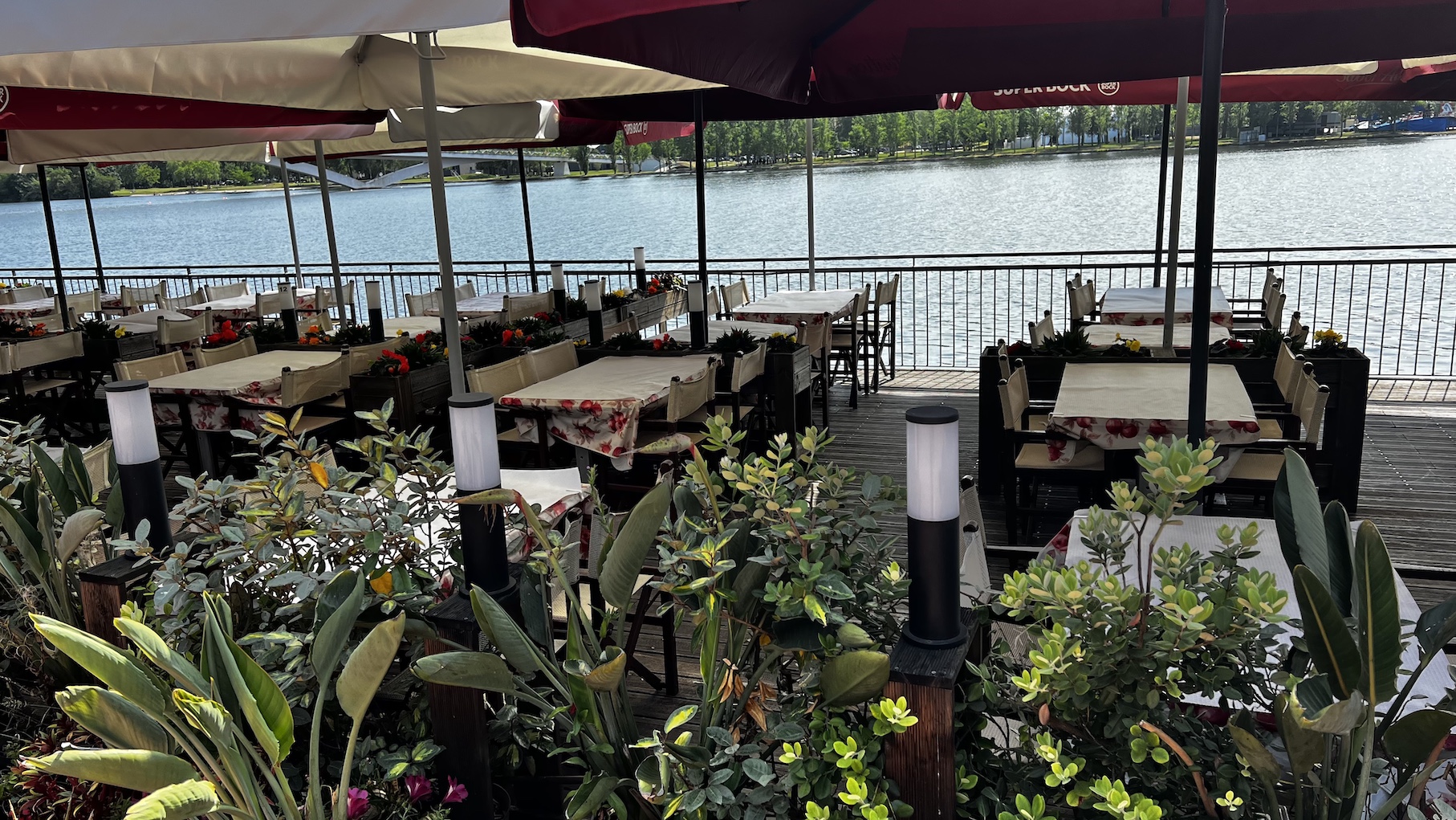
This is an Italian restaurant located in historical downtown at Parque Dr. Manuel Braga and by the Mondego River.
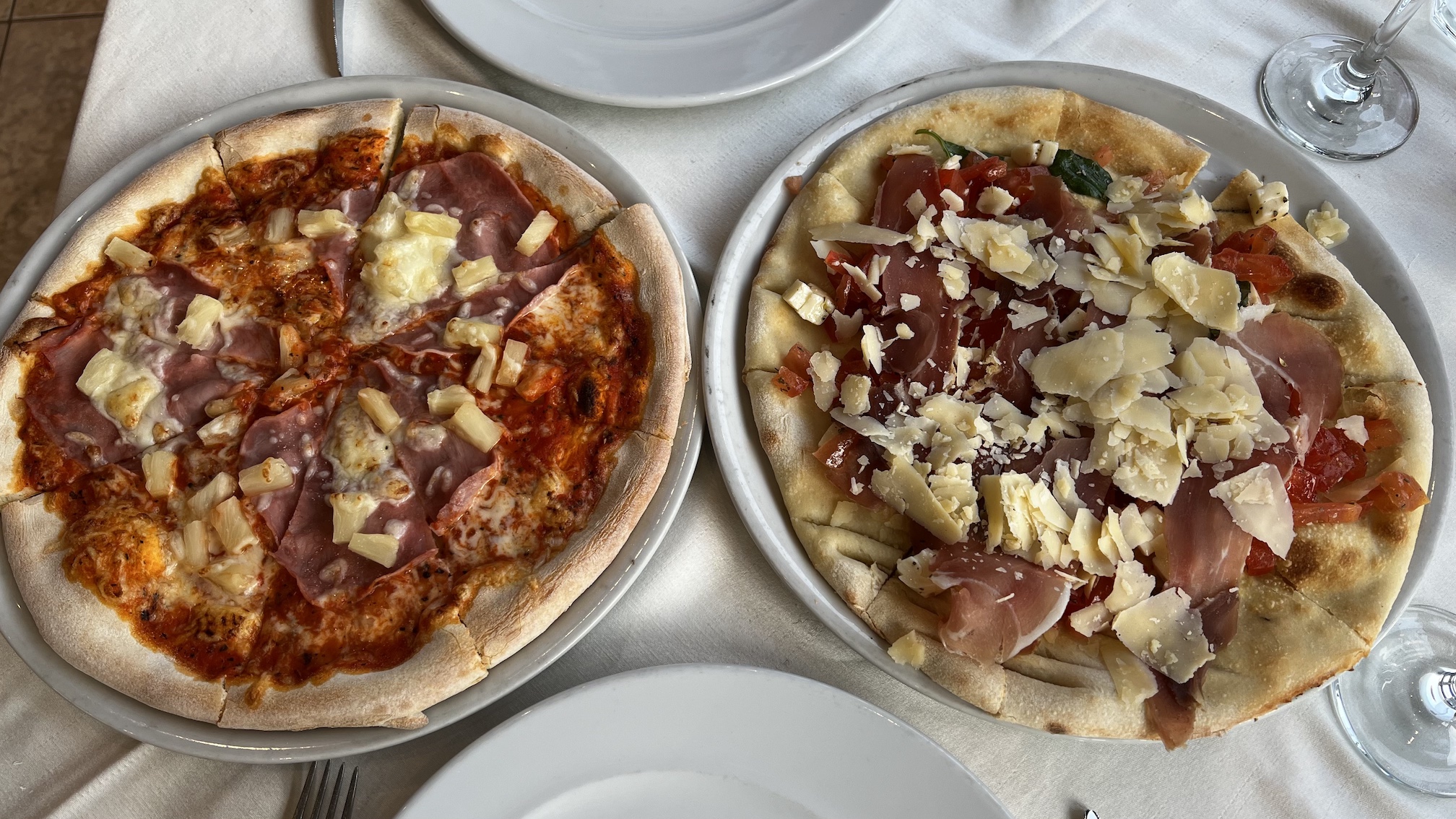
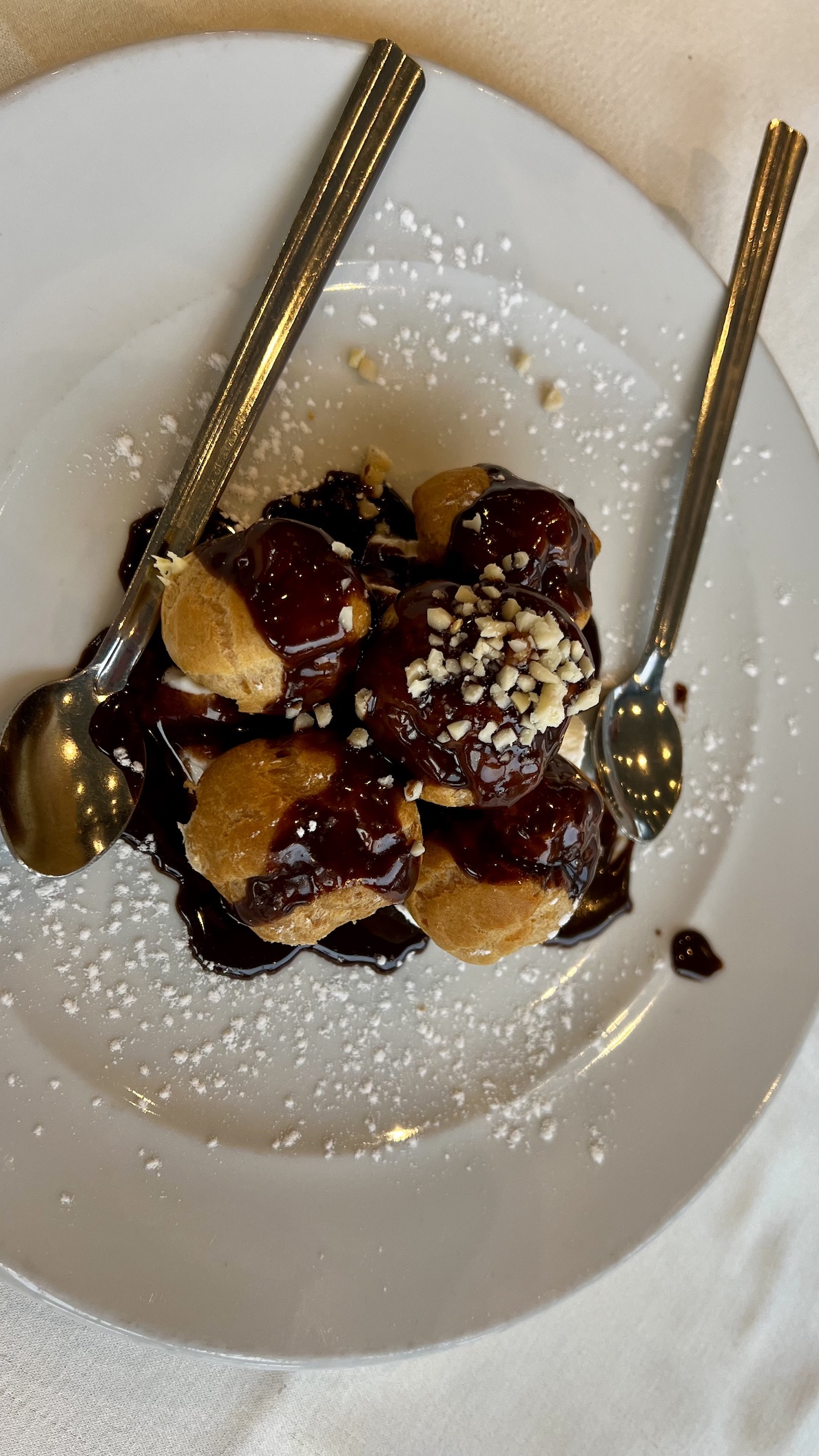
The pizza and wine were very good.
Today I’m excited we’re heading to Douro Valley!
Douro Valley
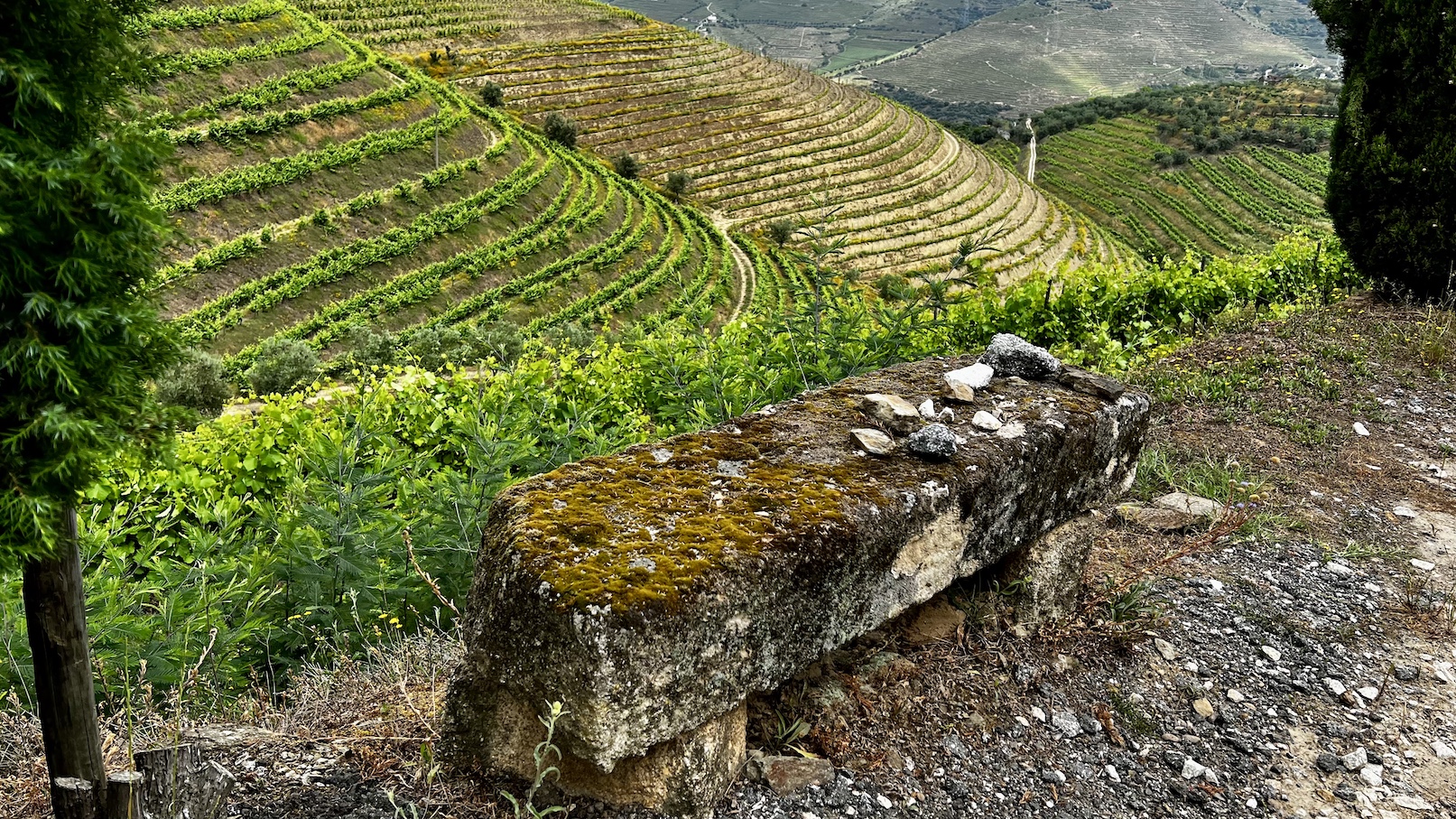
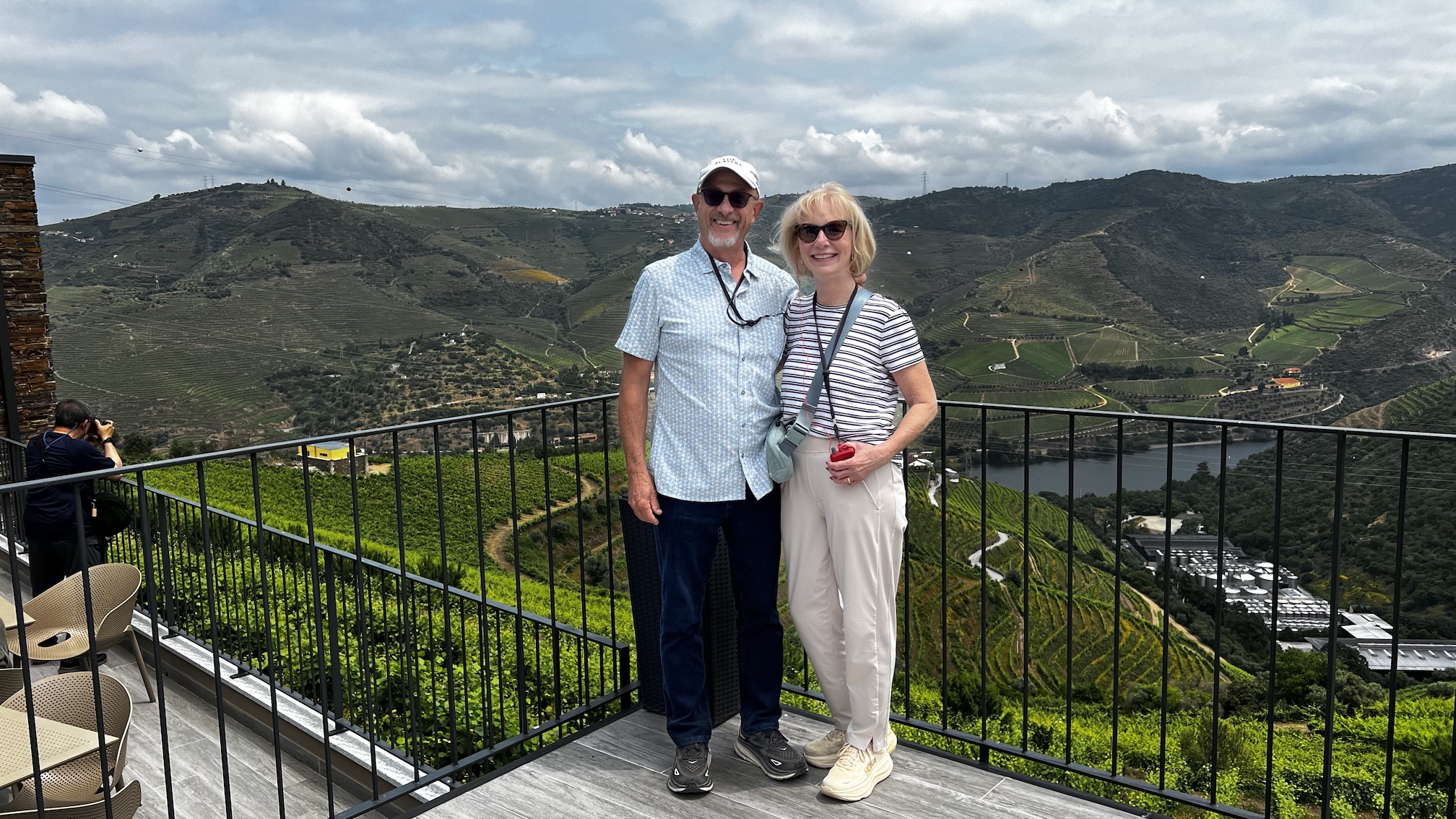
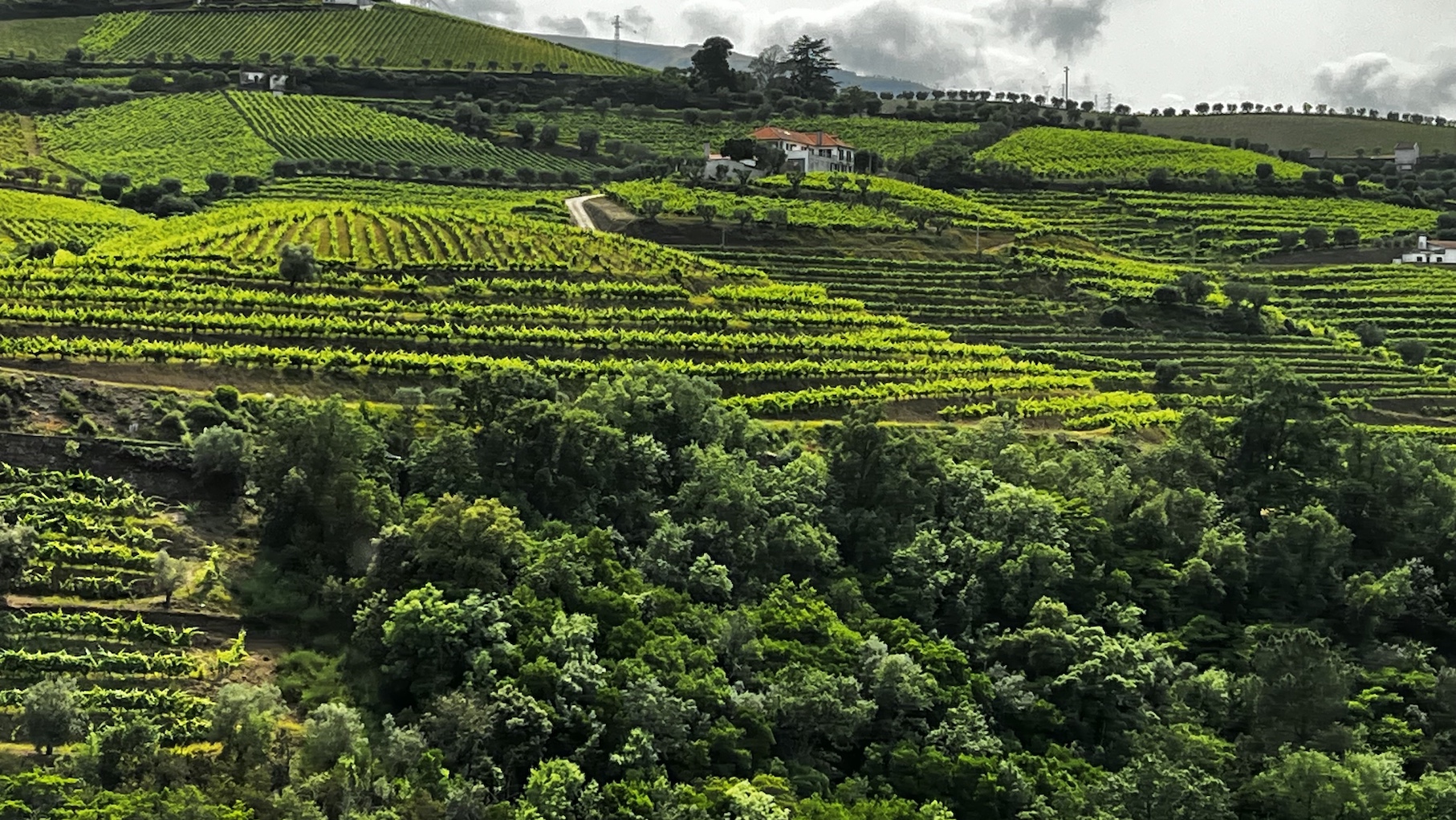
I was mesmerized by the winding terraced vineyards along the hillsides. The terraces stretched as far as I could see.
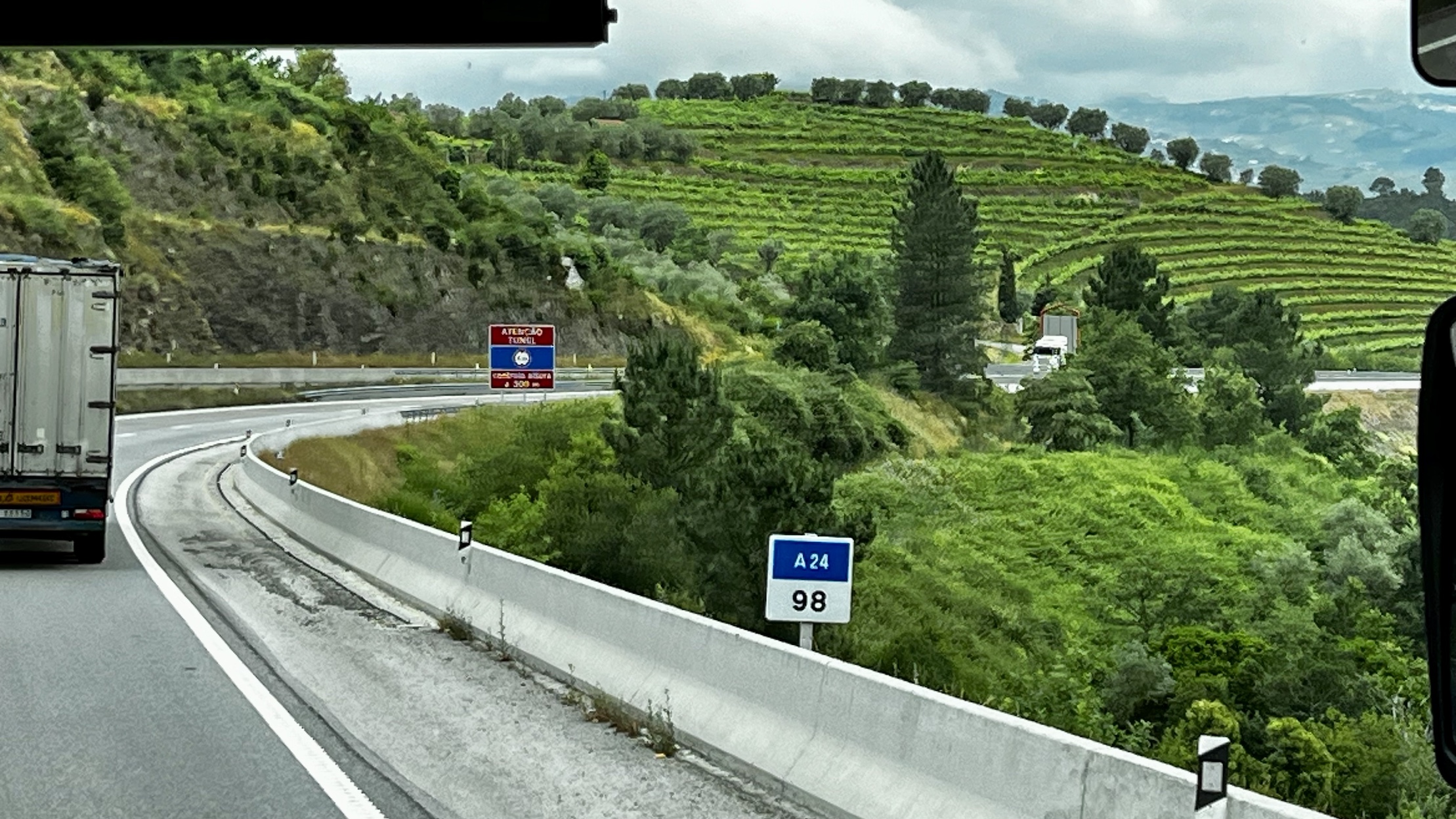
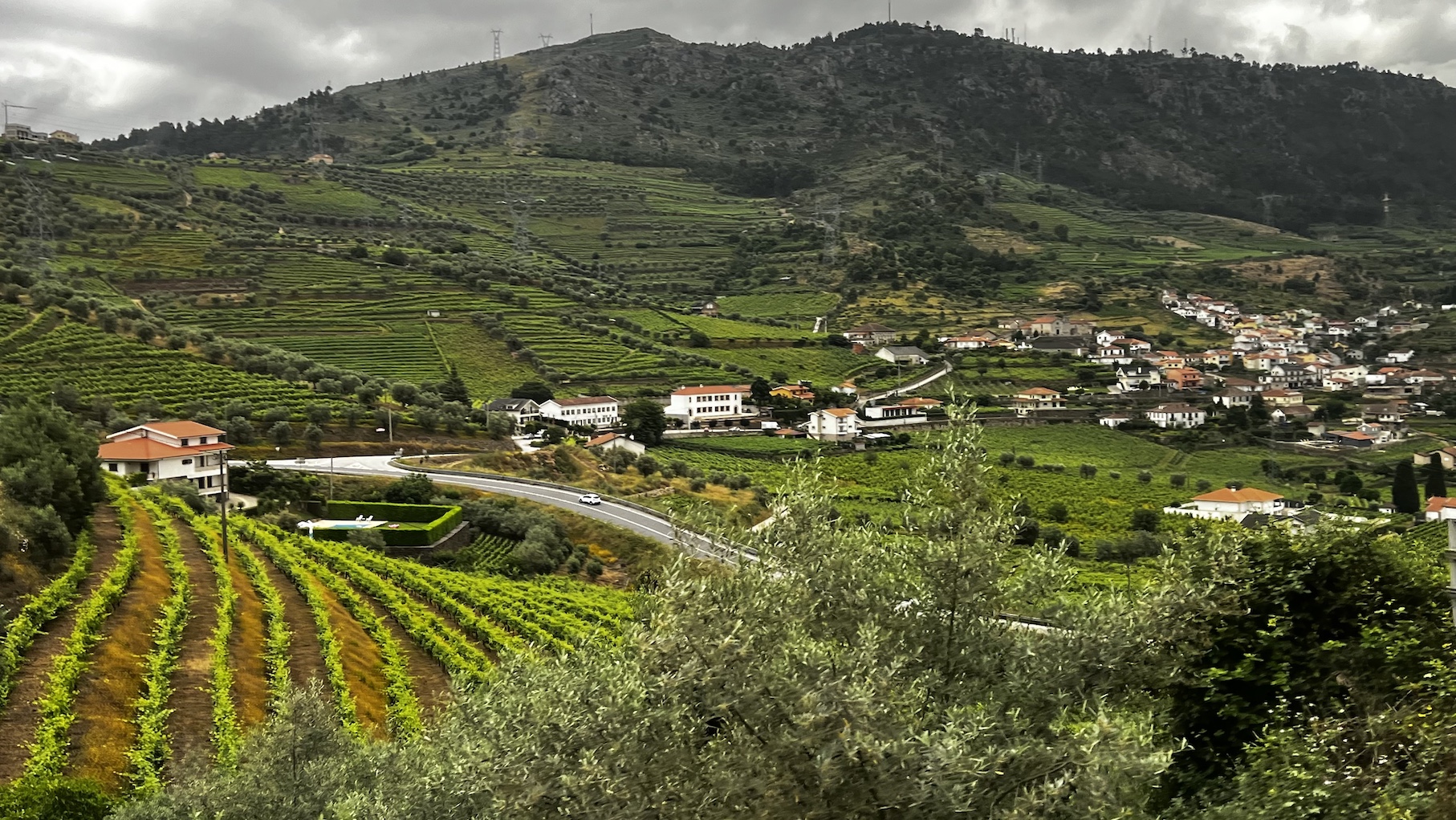
The Douro region runs along the Douro River.
Today we were in for a treat. We were visiting an old family run estate which produces wine and olive oil. This visit was one of the highlights of my visit to Portugal.
Quinta de Santa Eufemia
Quinta de Santa Eufemia is a 4th generation owned estate managed by the Carvalho family.
We were informed and entertained by one of the family members, Marie. She jokes that she is a slave on the estate but today we were her slave.
Marie told us that the Douro Valley was the world’s first officially demarcated wine region. This designation was in 1756.
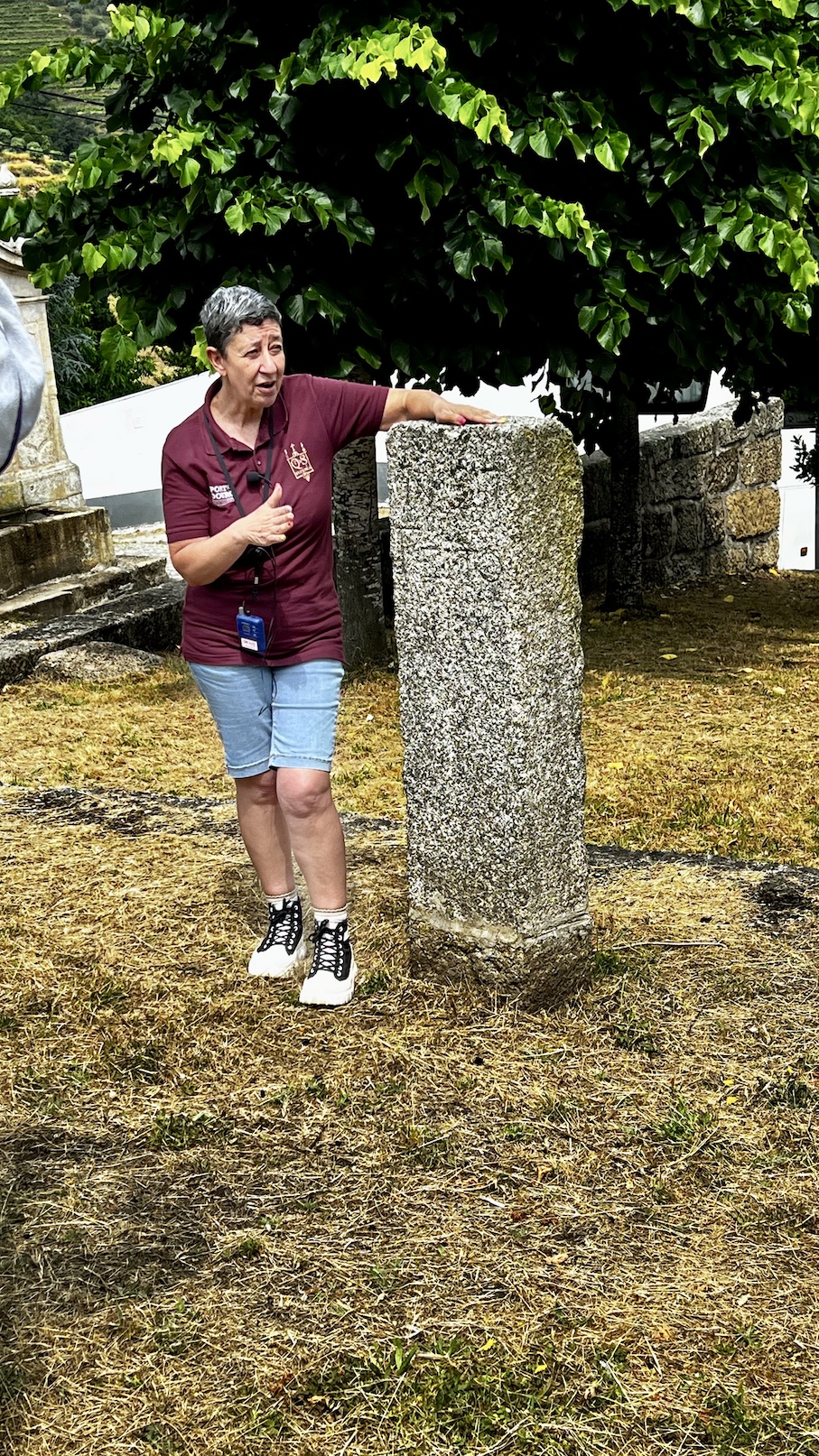
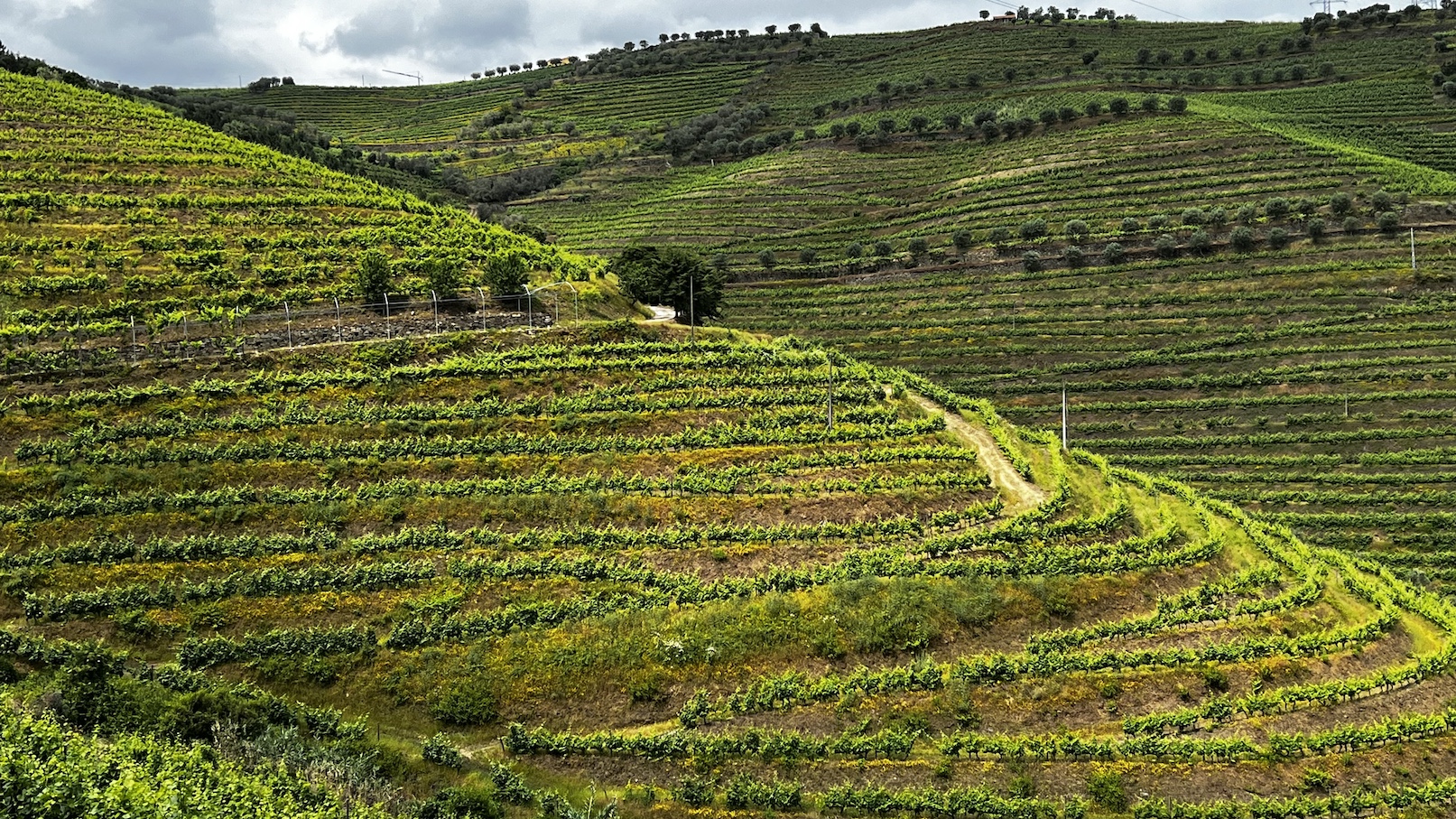
The only place in the world that can “legally” produce the famous “port wine” is in The Douro Valley.
We also learned that America has ties to European wine production.
How?
During the later part of the 19th century, a blight (grape phylloxera) devasted the European grapes grown for wine. American rootstock of the worst grapes was sent to Europe. So next time you drink a glass of European wine you know it has some America in it.
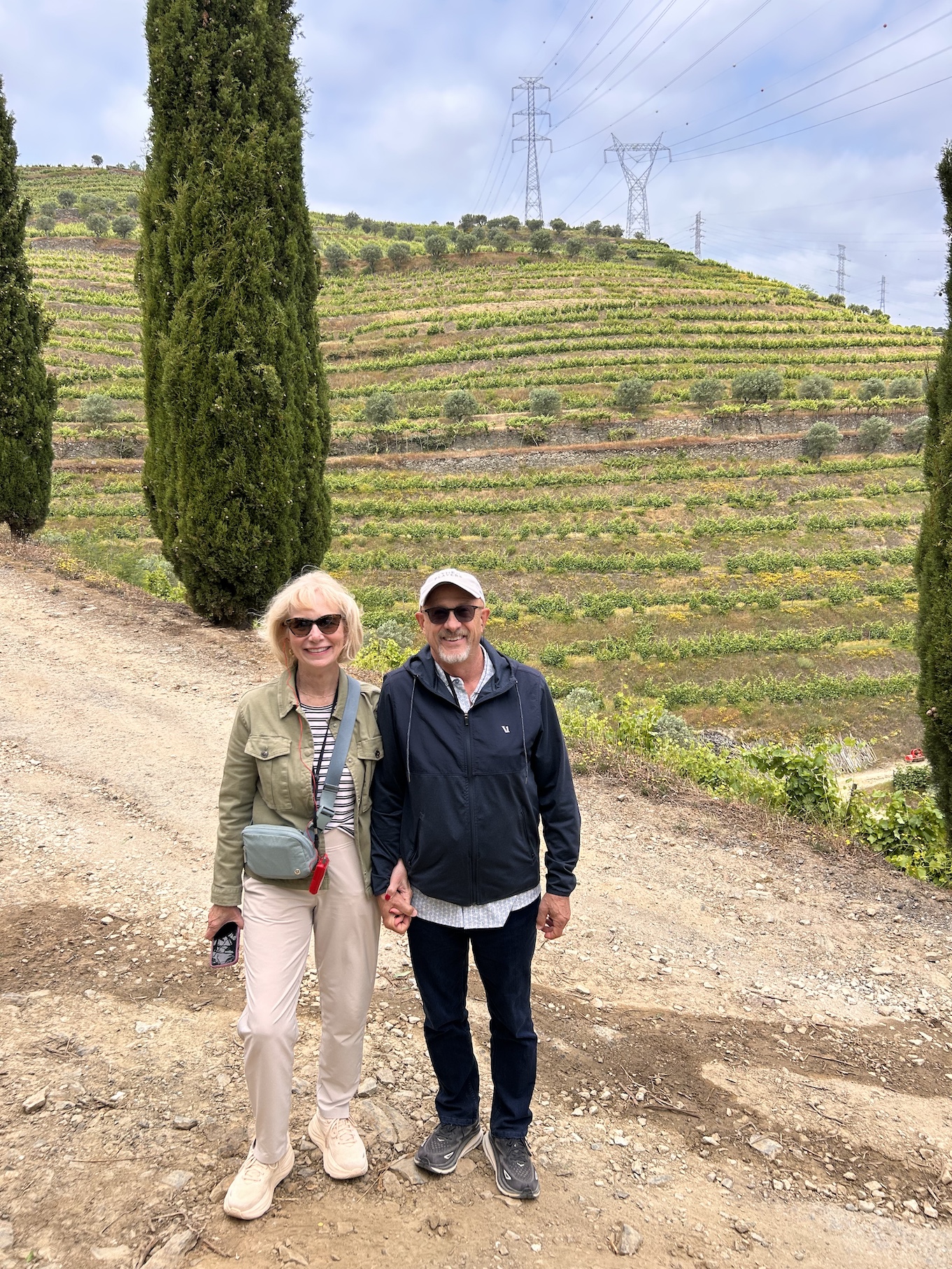
Marie took us on a stroll through the vineyards and made stops along the way to explain how the grapevines are hand tied to support the vines and maximize the fruit exposure to the sun.
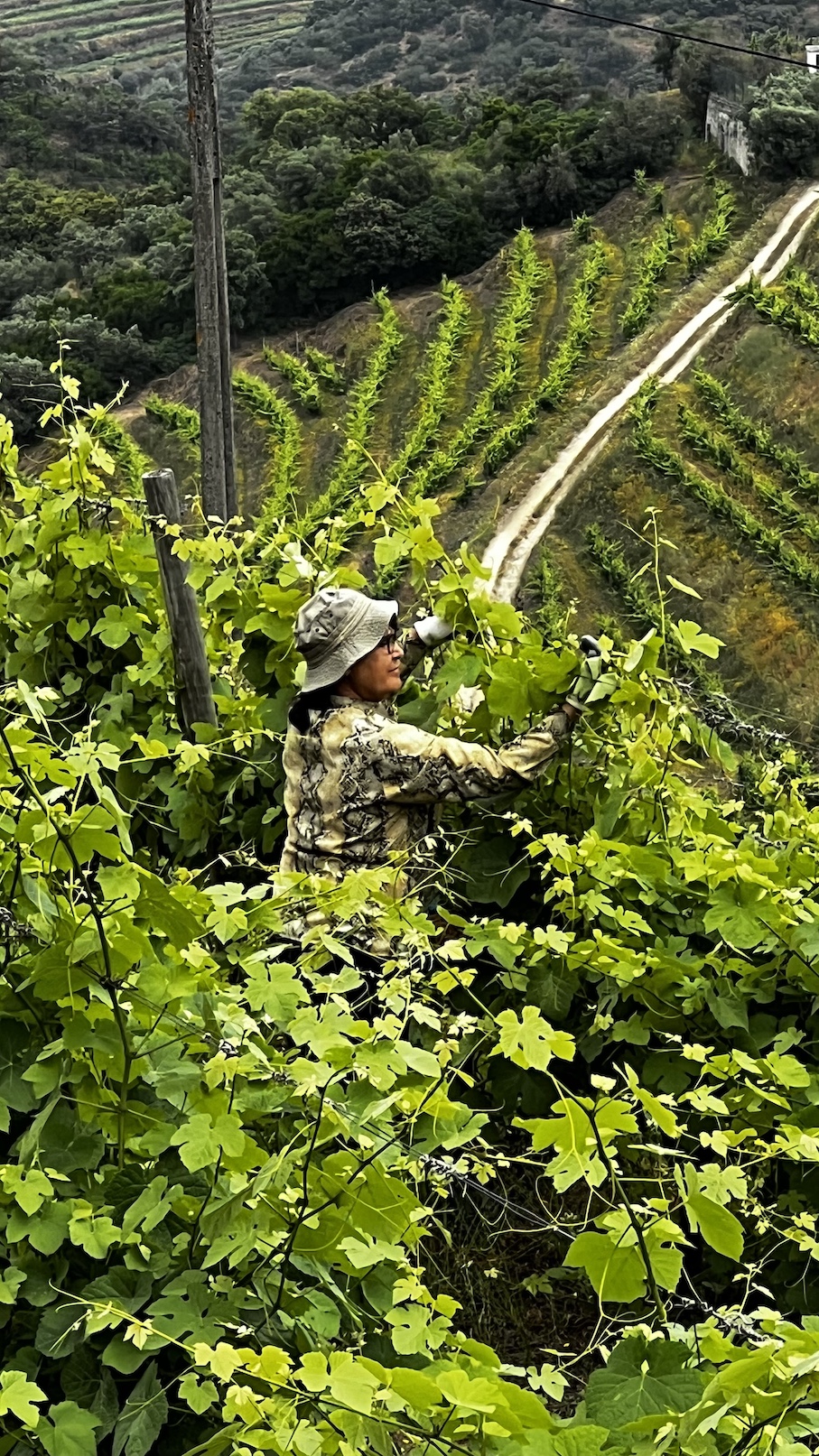
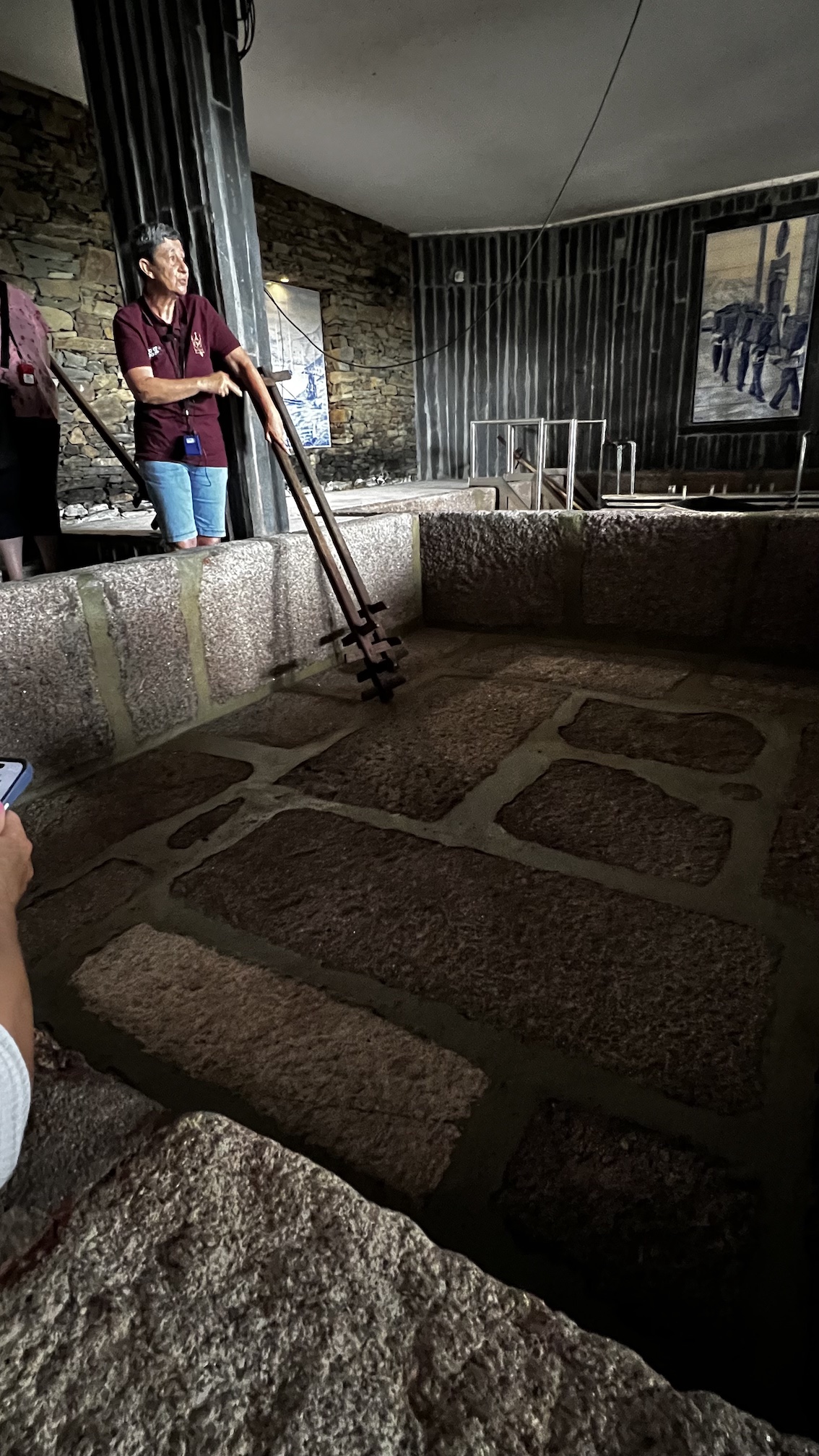
It’s a labor-intensive method that also includes hand picking the grapes and foot crushing the picked grapes in large stone vats. Does the show I Love Lucy sitcom episode come to mind (only if you’re older like me) when she was foot-stomping the grapes?
https://www.facebook.com/reel/366475516316708
Foot stomping is done to yield better wines since machines can crush the seeds and release tannins.
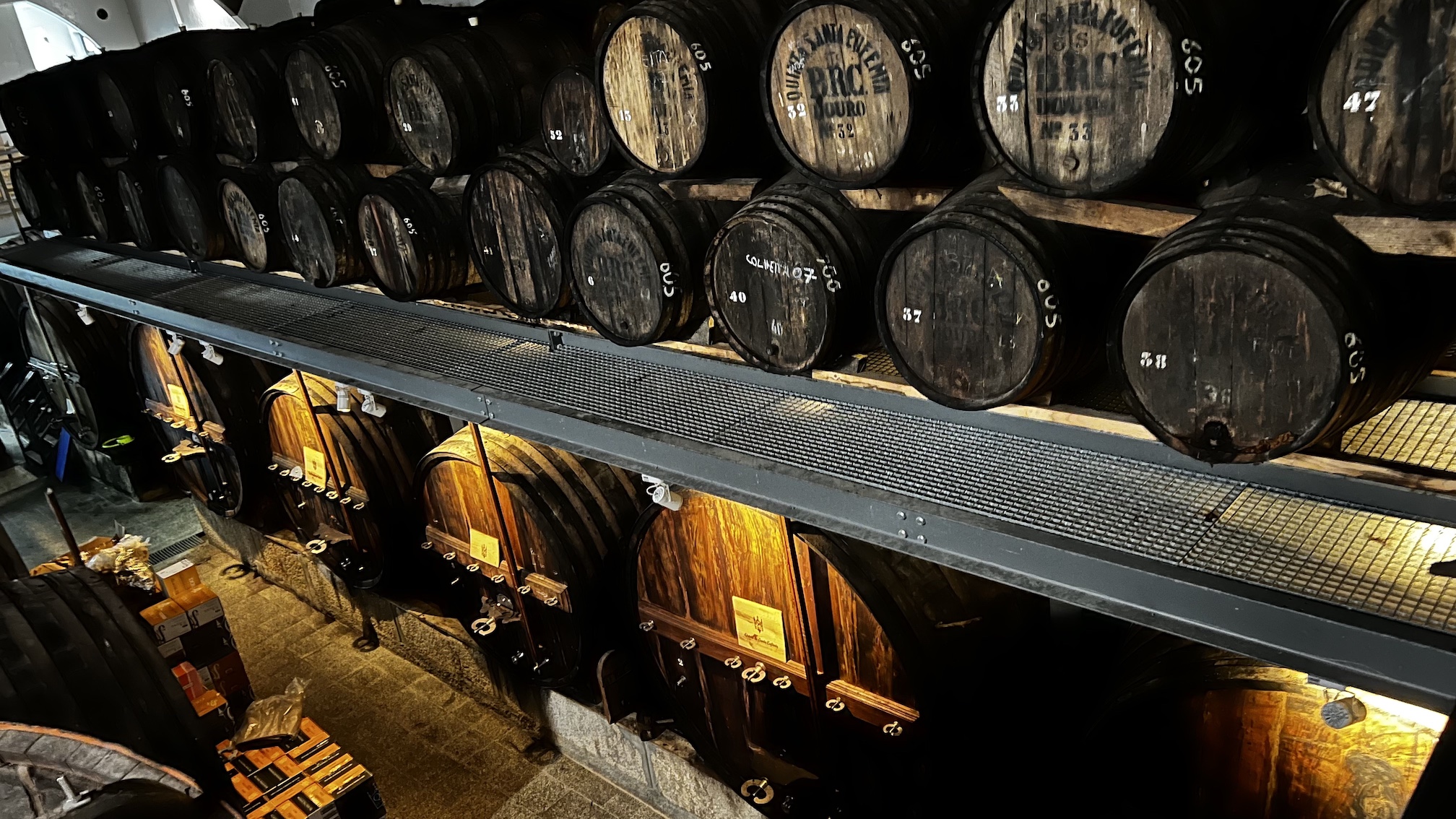
The wine is aged in oak barrels before it is blended to make delicious wine.
TIPS:
- If foot-stomping grapes sounds fun (it did to me) then you need to visit sometime mid-September to mid-October. The time can vary so check with the winery before booking.
- The road to Quinta de Santa Eufemia is winding with steep drop offs. We were in a large tour bus, so you’ll be fine in a car. Just be cautious and down look down.
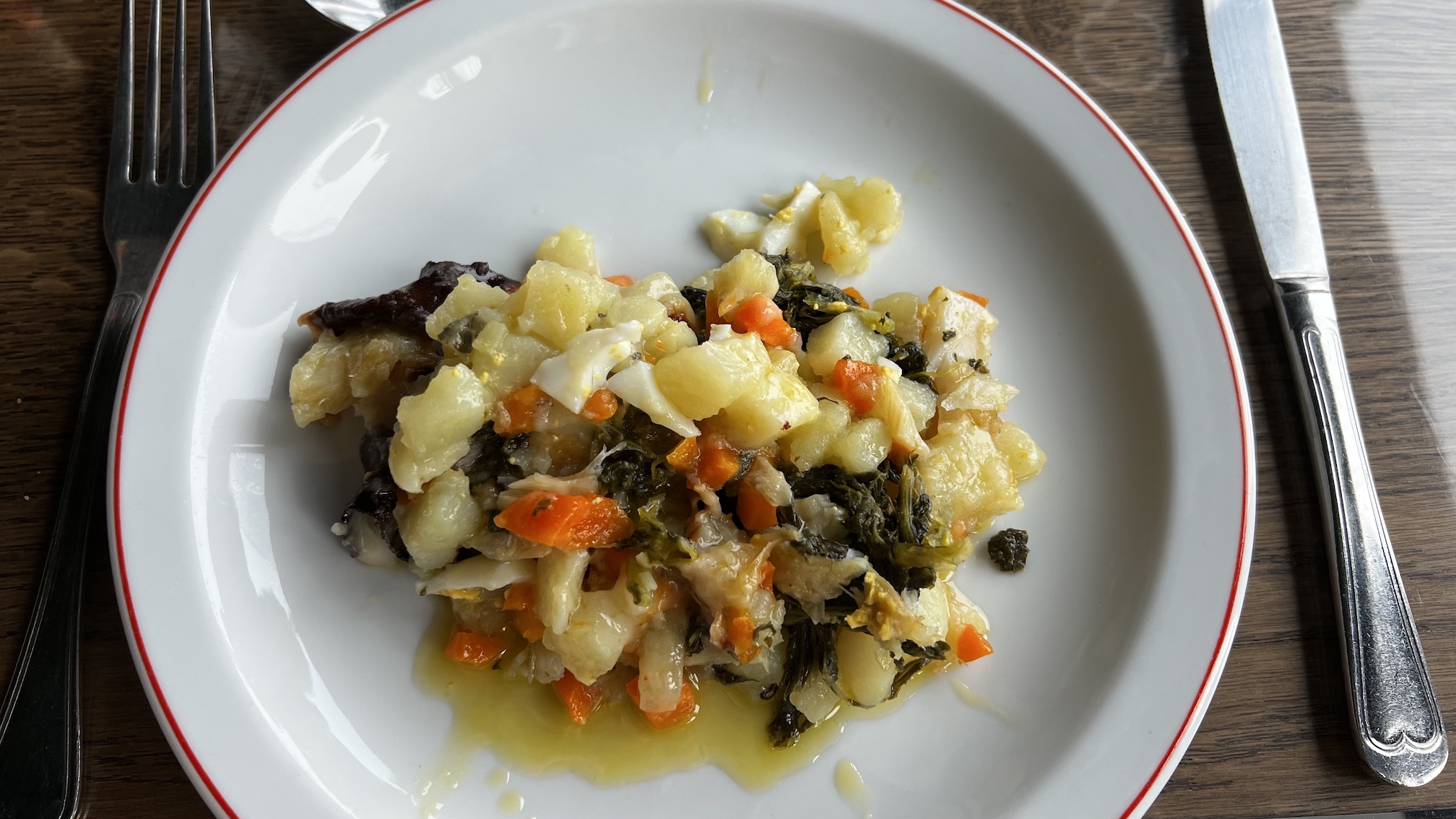
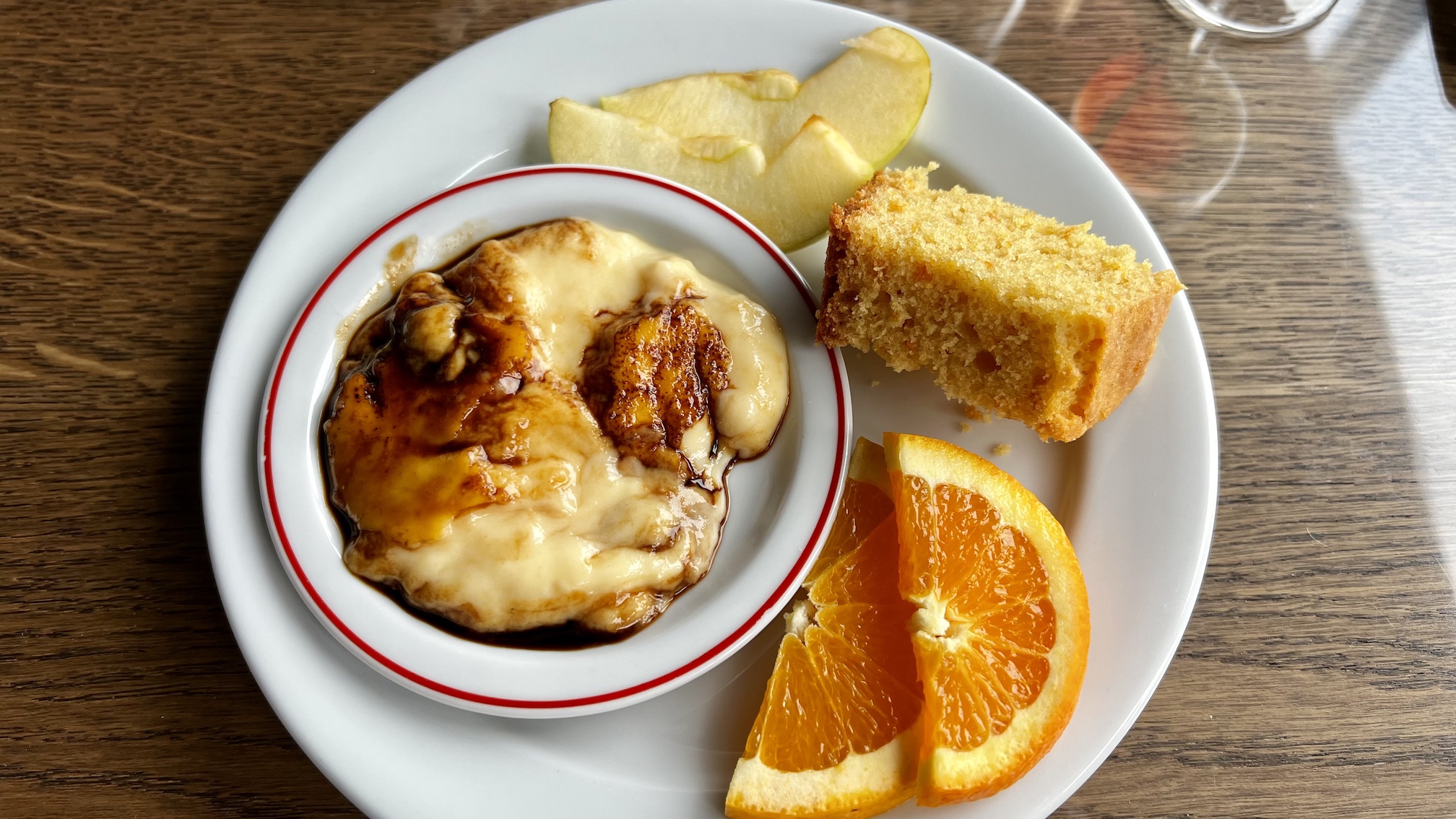
After our tour we were treated to a delicious lunch. We sampled three different Port wines: white, ruby and tawny. The Port wines are sweeter and higher in alcohol content than unfortified wines. Chuck and I liked the white Port wine. If you find one you like you can buy it there. But…and this is a big BUT…you gotta pack it in your luggage and fly it home.
We stayed at the Vintage House Hotel in Pinhao.
https://www.facebook.com/reel/366475516316708
Our room had a balcony overlooking the Douro River. Unfortunately, it was so windy we were unable to sit out on our balcony. We had a delicious dinner at the hotel and a delicious breakfast.
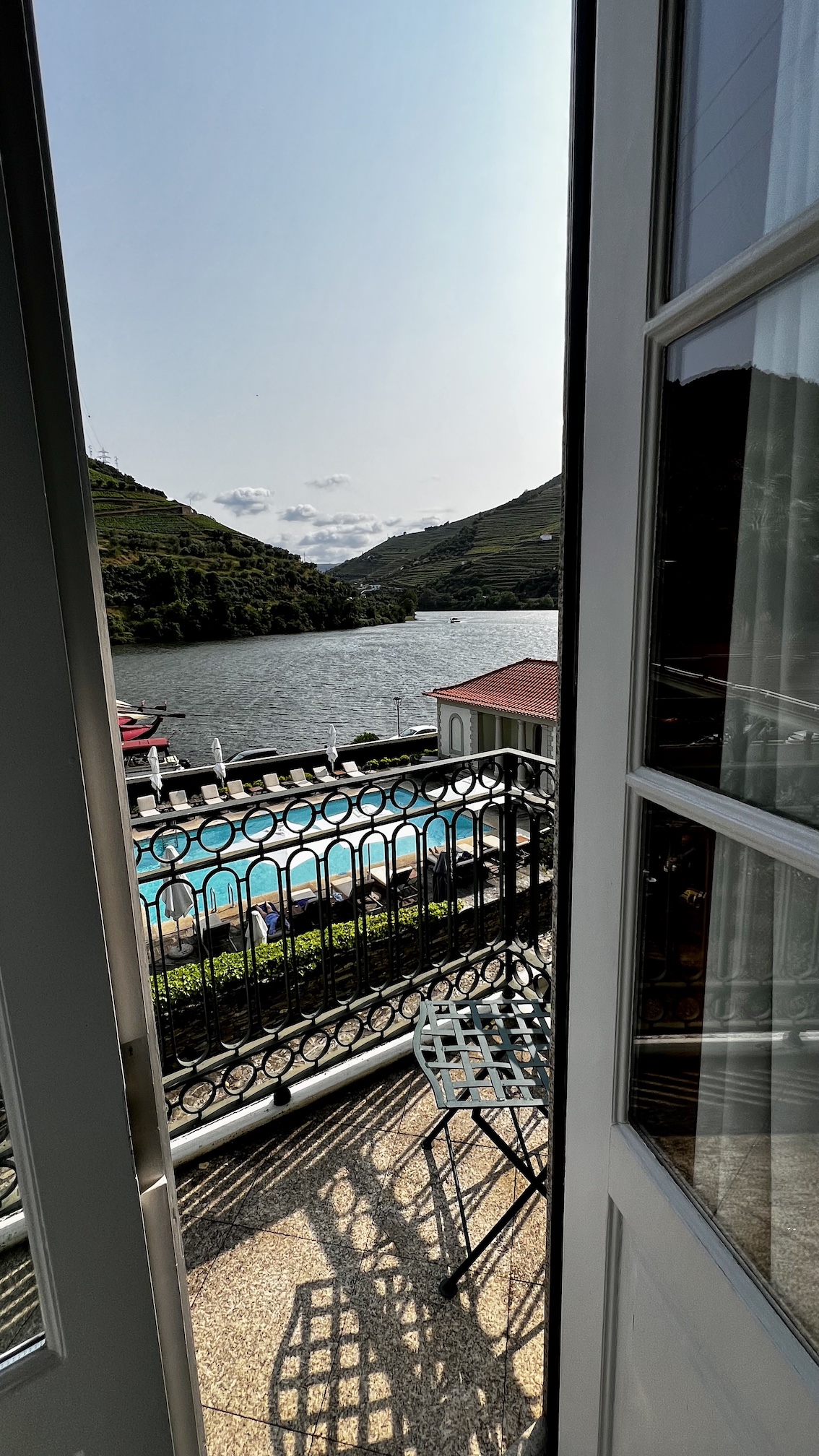
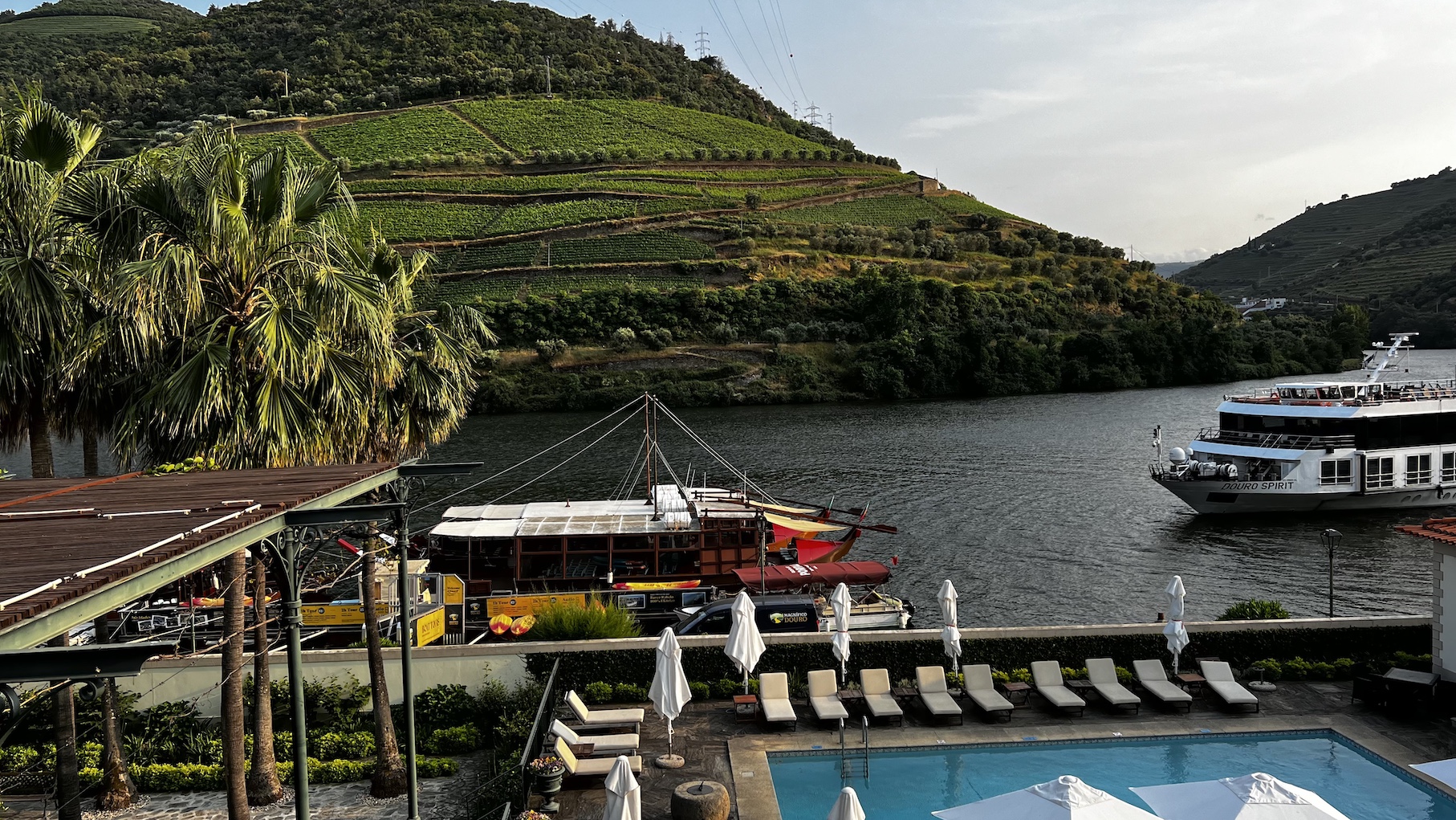
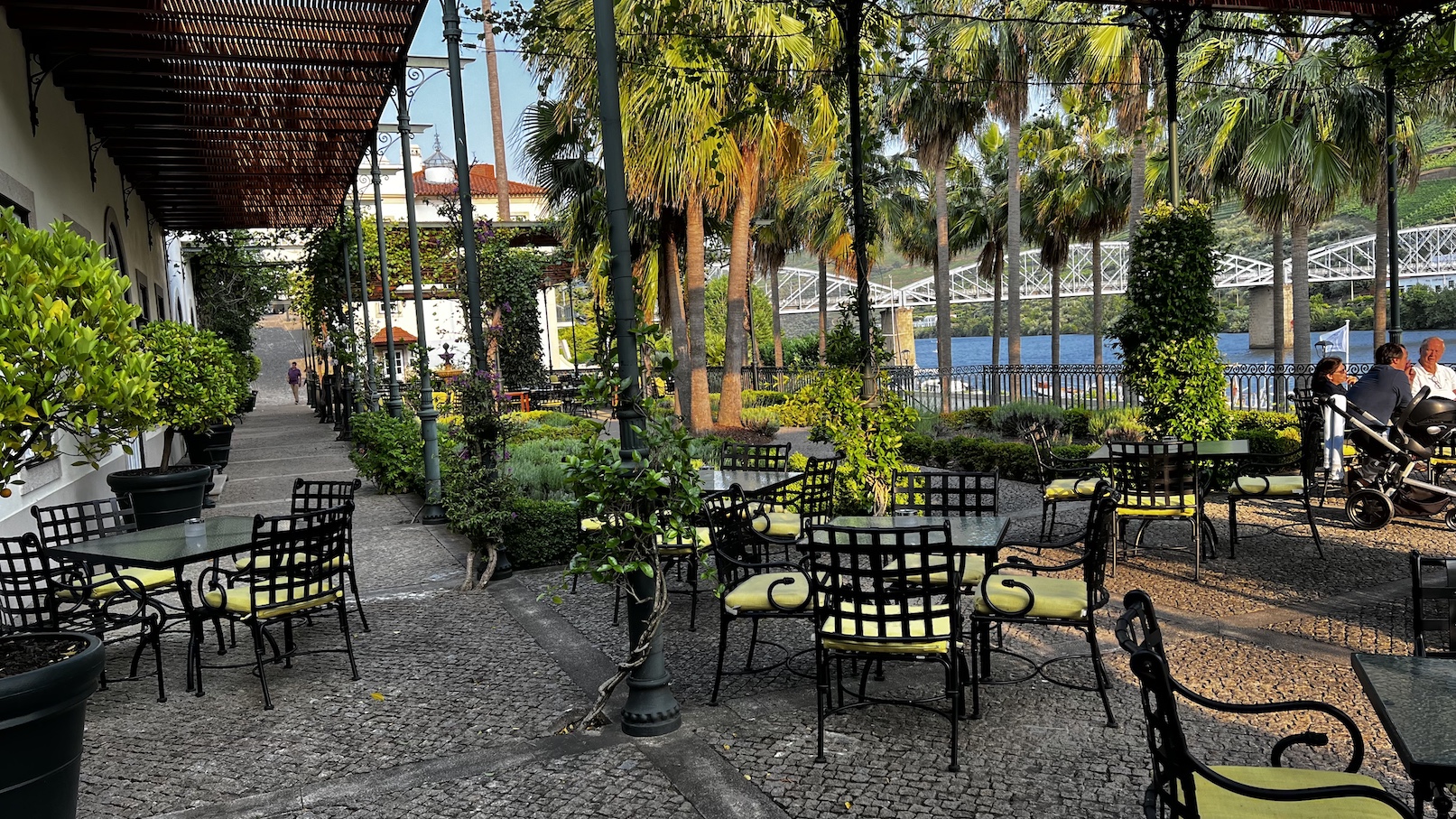
I wish we could have stayed longer in the Douro Valley, but the bus left the next morning.
Now we were headed to our last stop, Porto.
Porto
Porto is the second largest city in Portugal. It’s a coastal city nestled between the Douro River and the Atlantic Ocean. Porto is known for its Port wine production. Porto is a city built on steep hillsides, so plan accordingly. Downhill from anywhere takes you to the river. Good sturdy shoes are a must. There are funiculars to make the climb from the river easier…but you’ll still have a good bit of uphill walking to do.
One thing I enjoyed in this city was not a church or even historic neighborhoods (even though I enjoyed them also) but a massive covered market with two tiers.
Bolhao Market
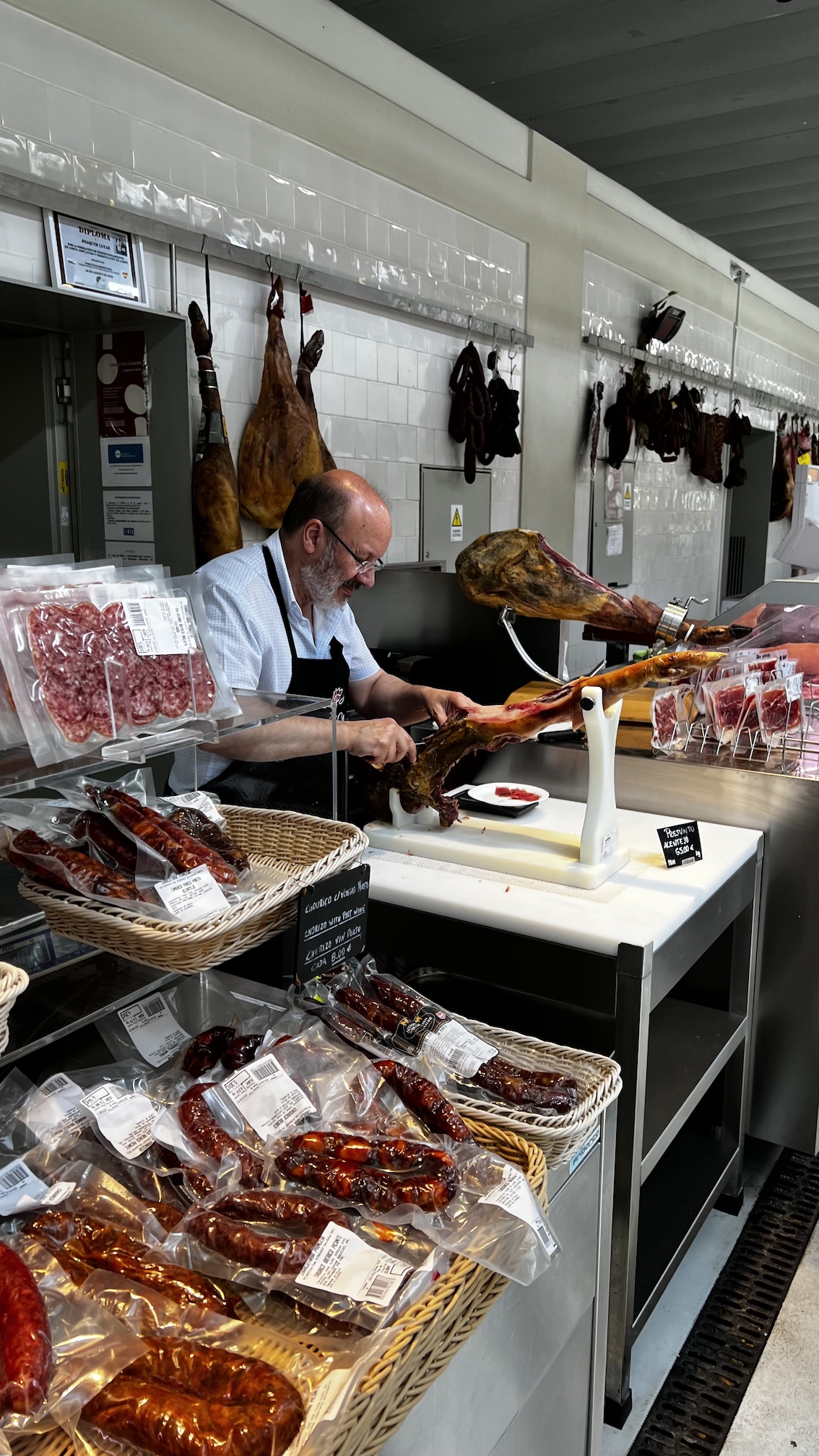
You must go see this incredible historic market. The lower lever is the market and there are restaurants on the upper. The family-run businesses sell fresh produce, meat, fish, cheeses, flowers and wine from individual stalls.
If you can’t find what you need for supper here, then you aren’t looking.
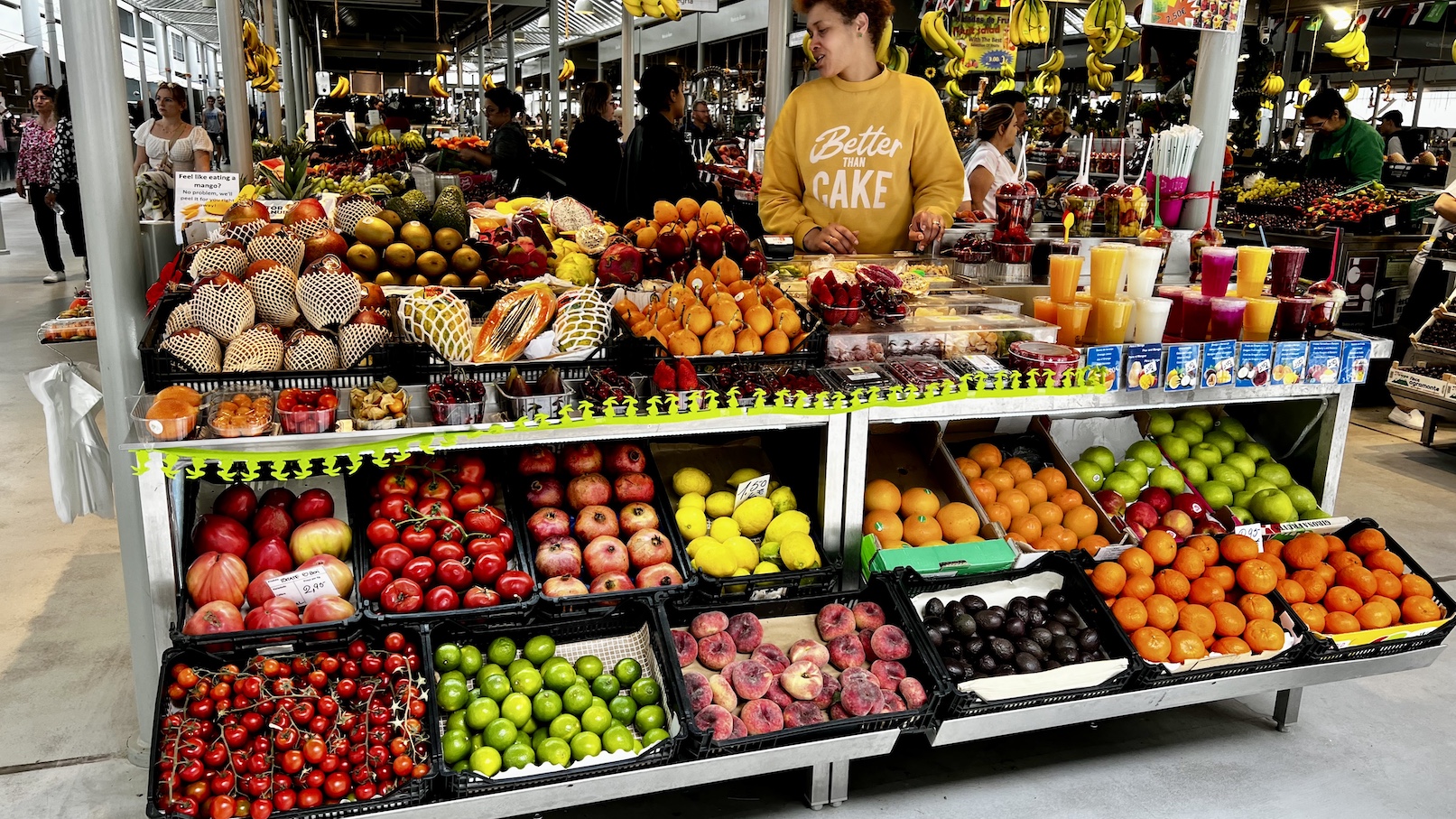
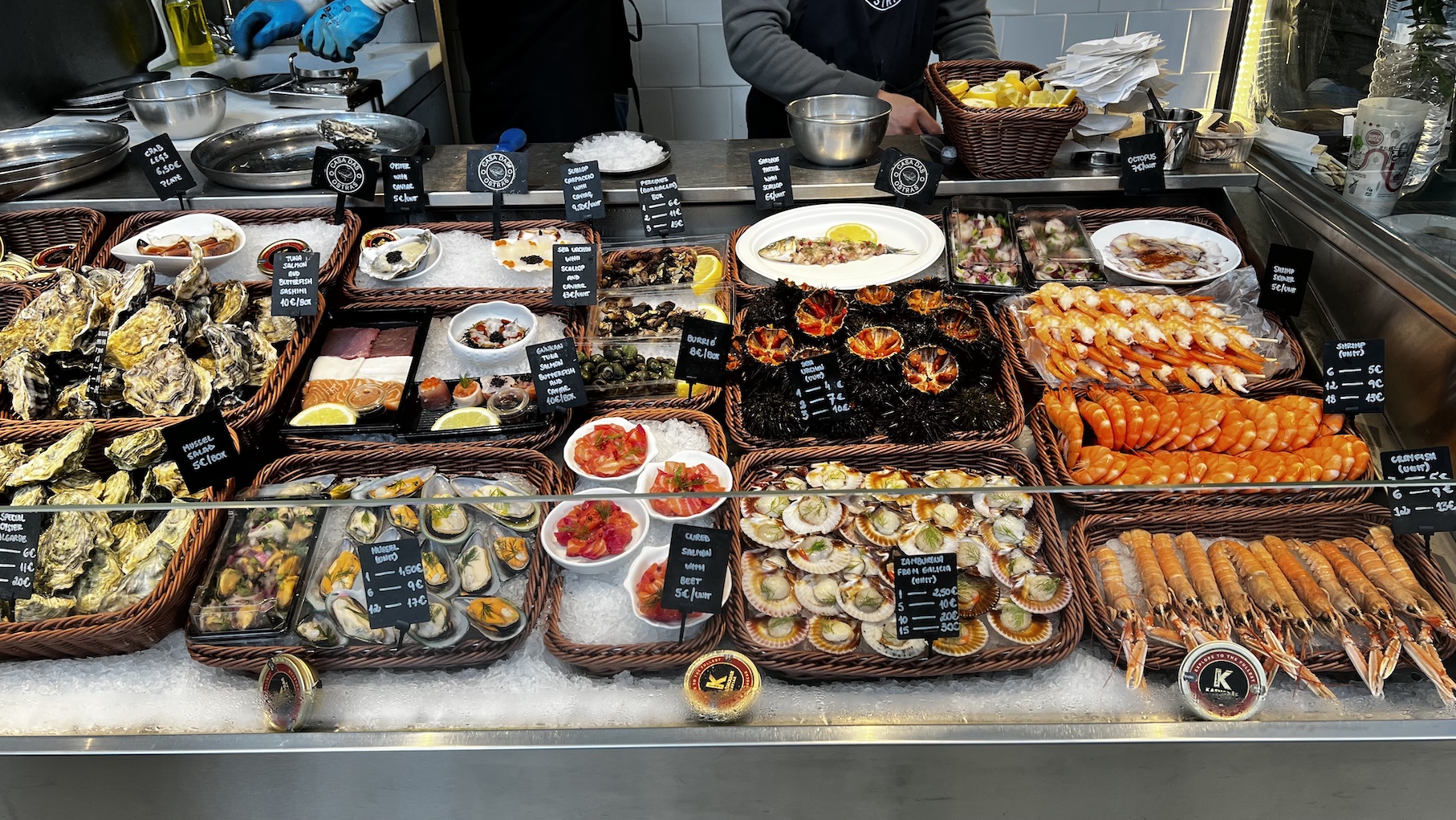
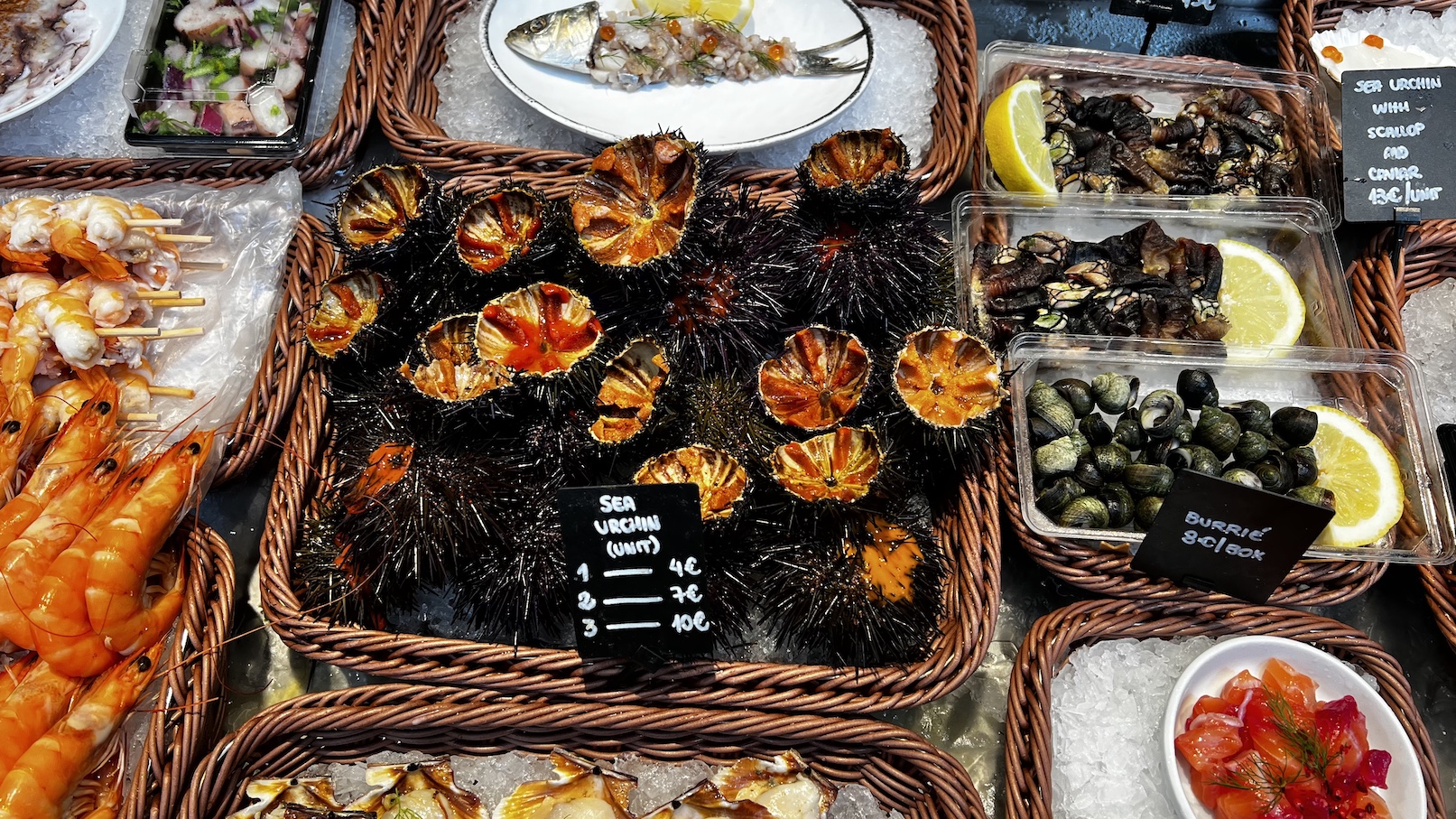
Are you in the mood for sushi? Maybe Sea Urchin?
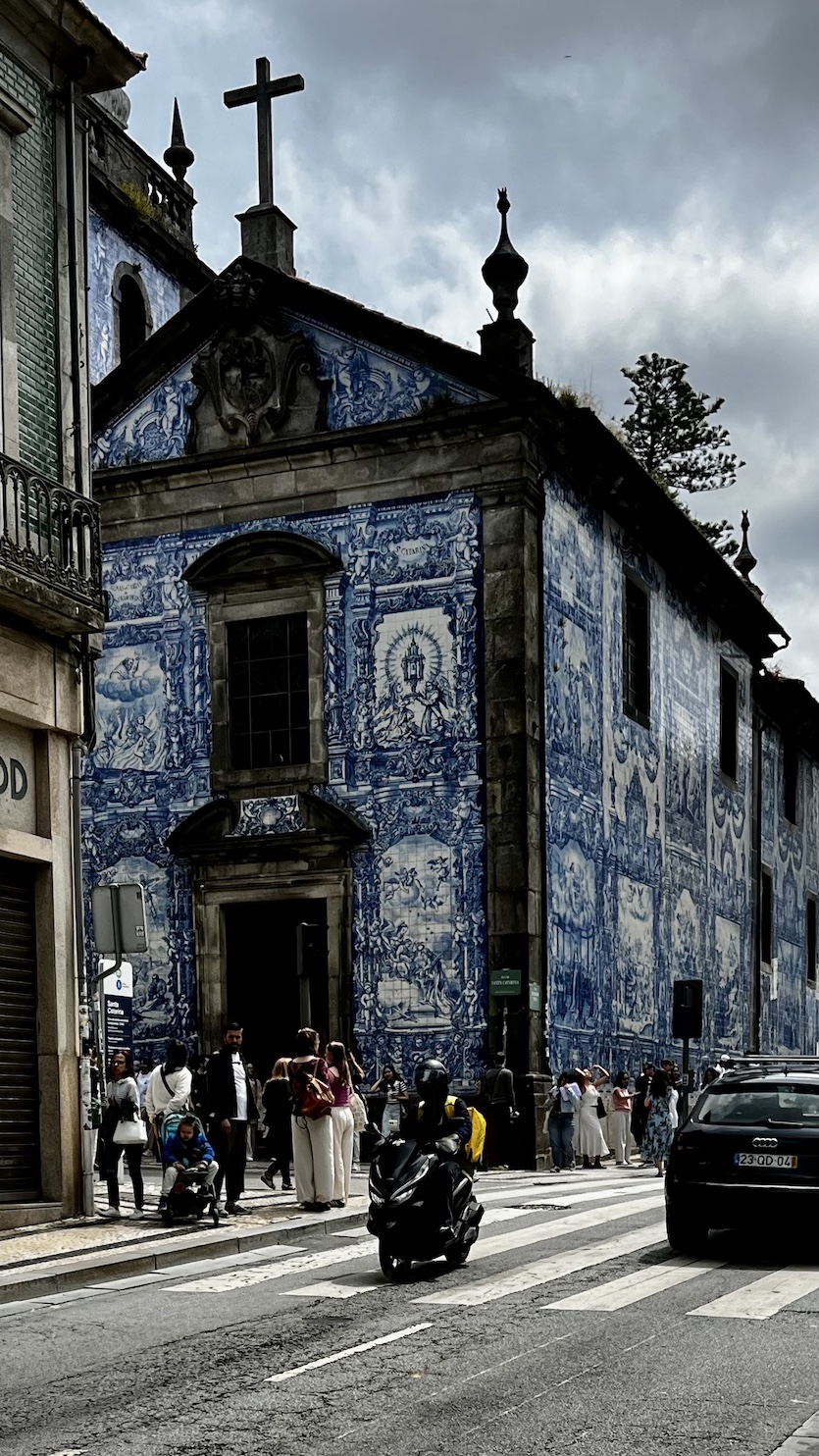
On a busy street close to Bolhao Market we saw a small church with a blue azulejo tile façade depicting various religious scenes. The church is called La Capela das Almas (chapel of souls).
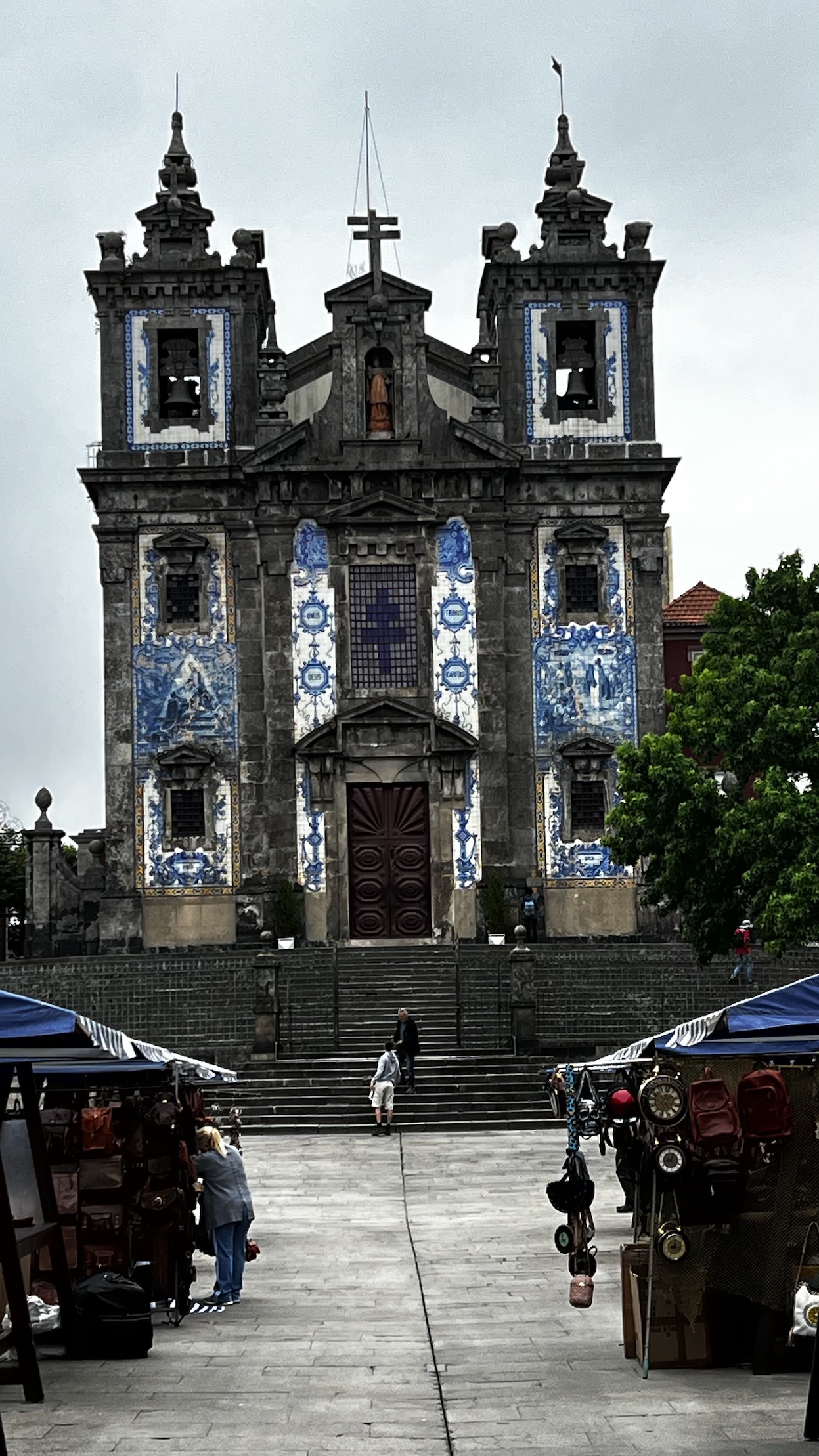
The Church of Saint Ildefonso is near Batalha Square. It’s an eighteenth-century church with beautiful façade of azulejo tilework. We didn’t go inside any of the churches.
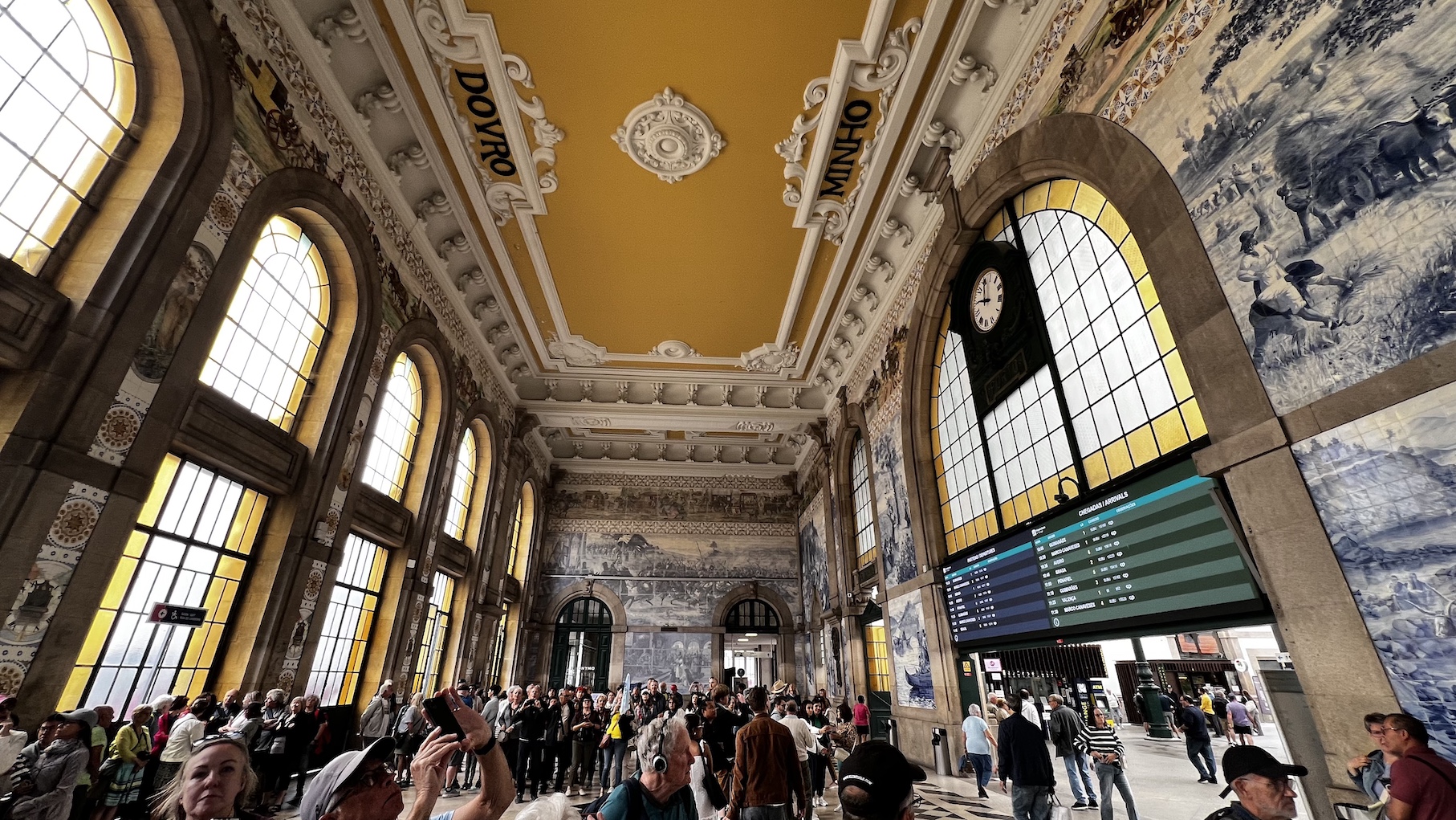
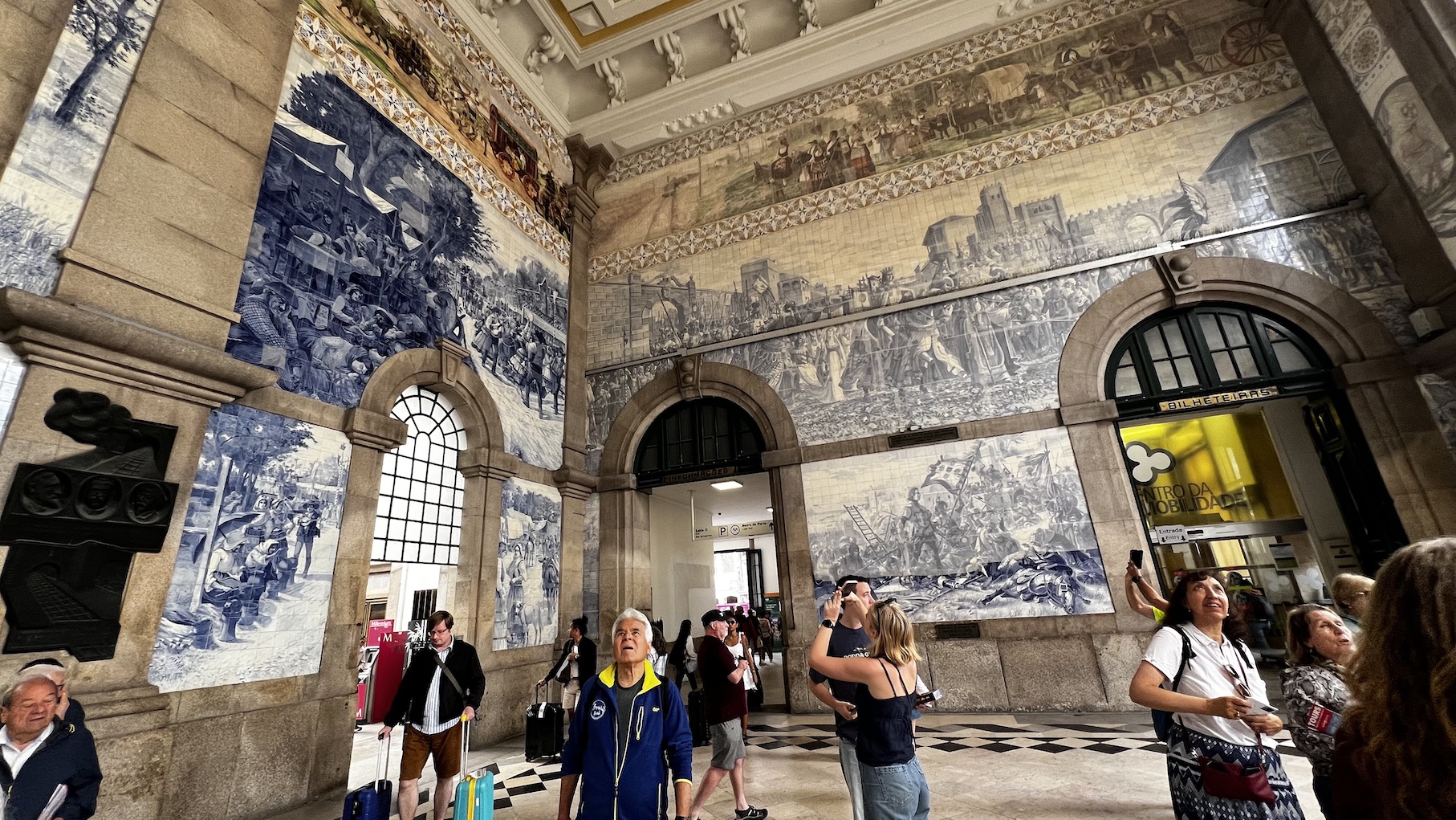
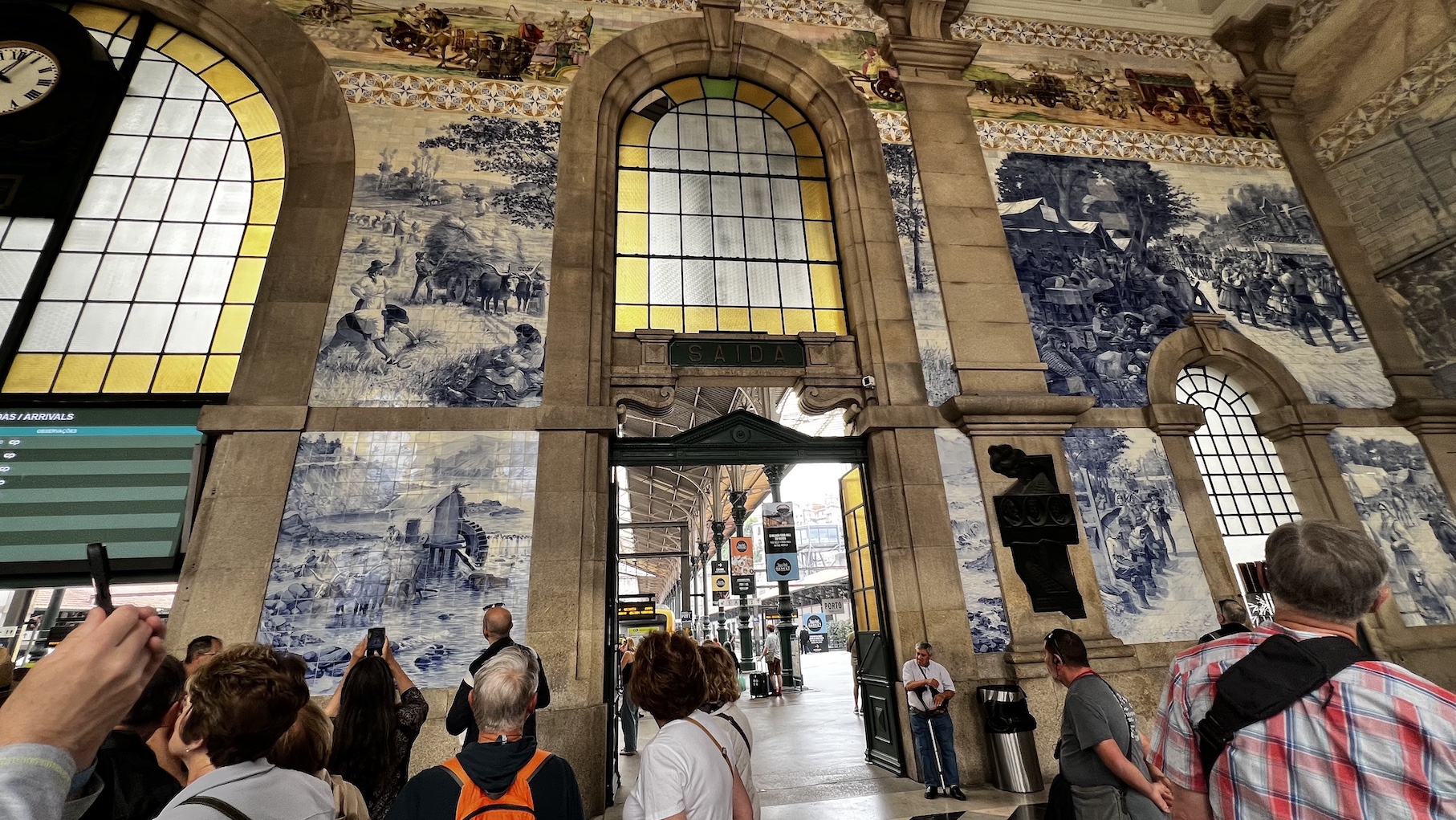
San Bento Railway Station
Think of the train stations you’ve been in. There are train stations and then there’s the San Bento Railway Station. Imagine going to take a train and walking into an entrance hall and seeing over 20,000 azuleja tiles depicting the history of Portugal. This is more than a train station; it’s a tourist attraction you should not miss.
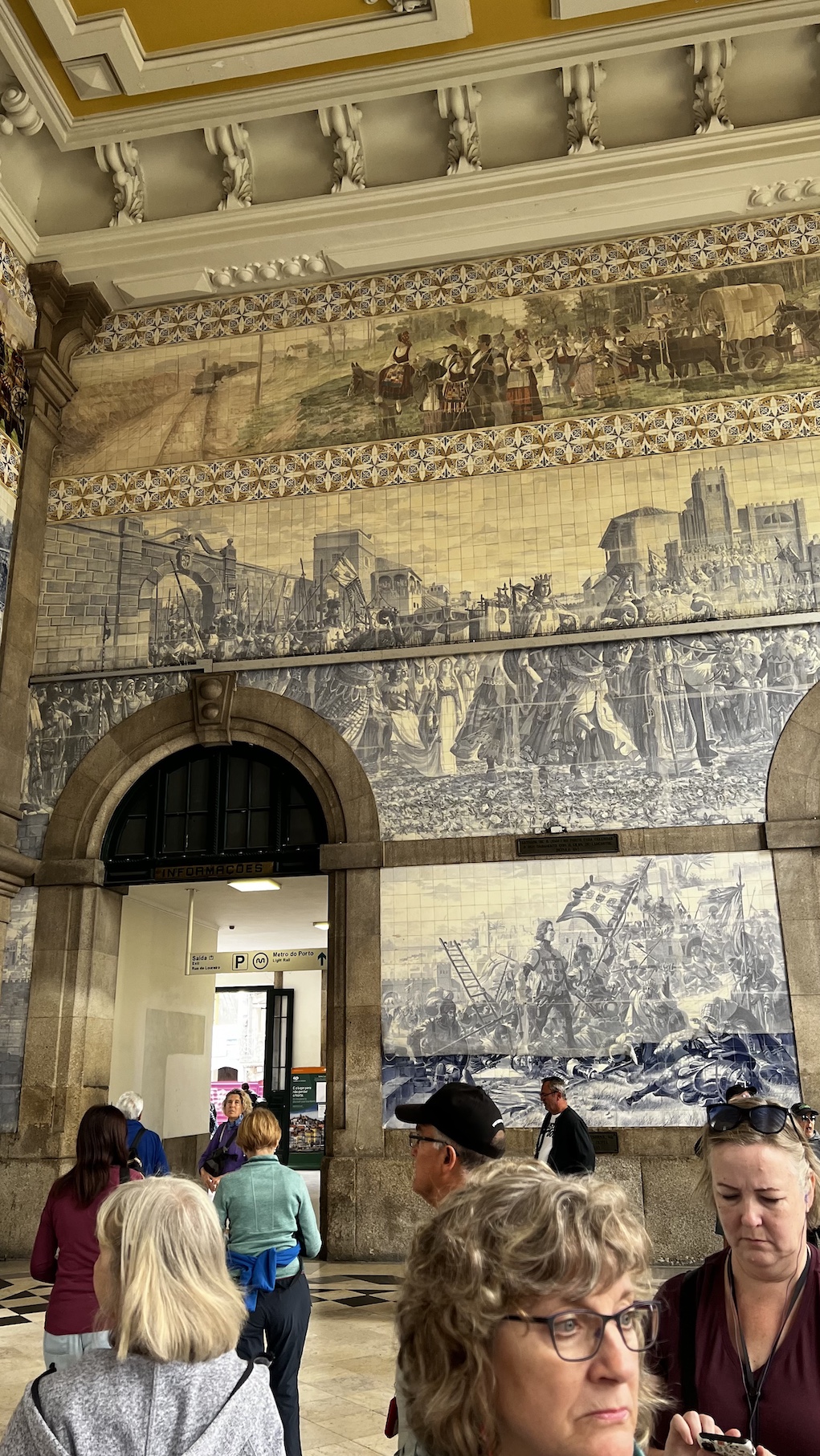
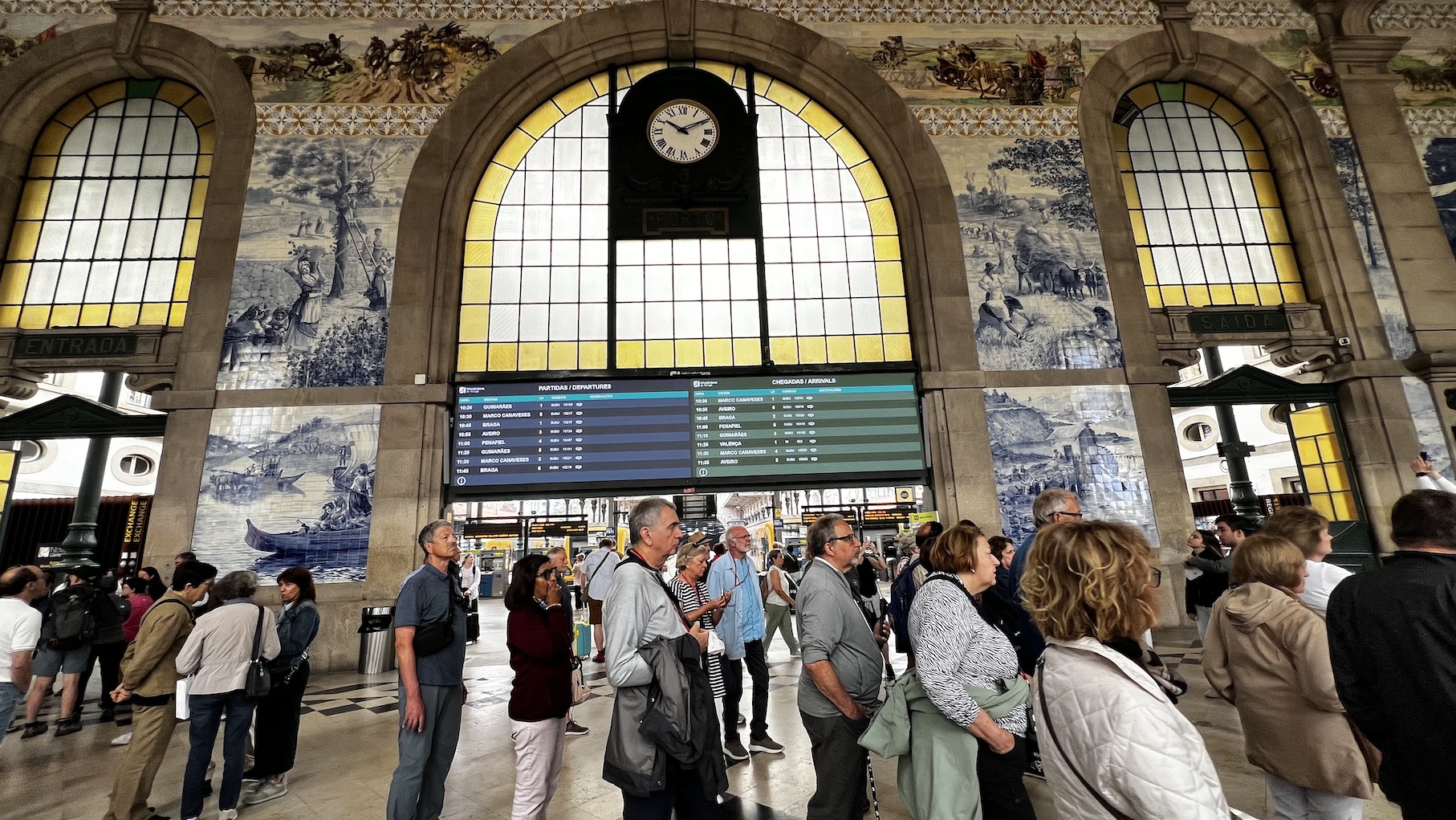
TIPS:
- Go early. There are more people there to admire the artwork than to catch a train.
- In June 2025 there was major construction going on around the center. There is only one entrance around the side.
- Some of the tile panels are covered in thin clear sheets to protect from the construction dust.
Palacio da Bolsa
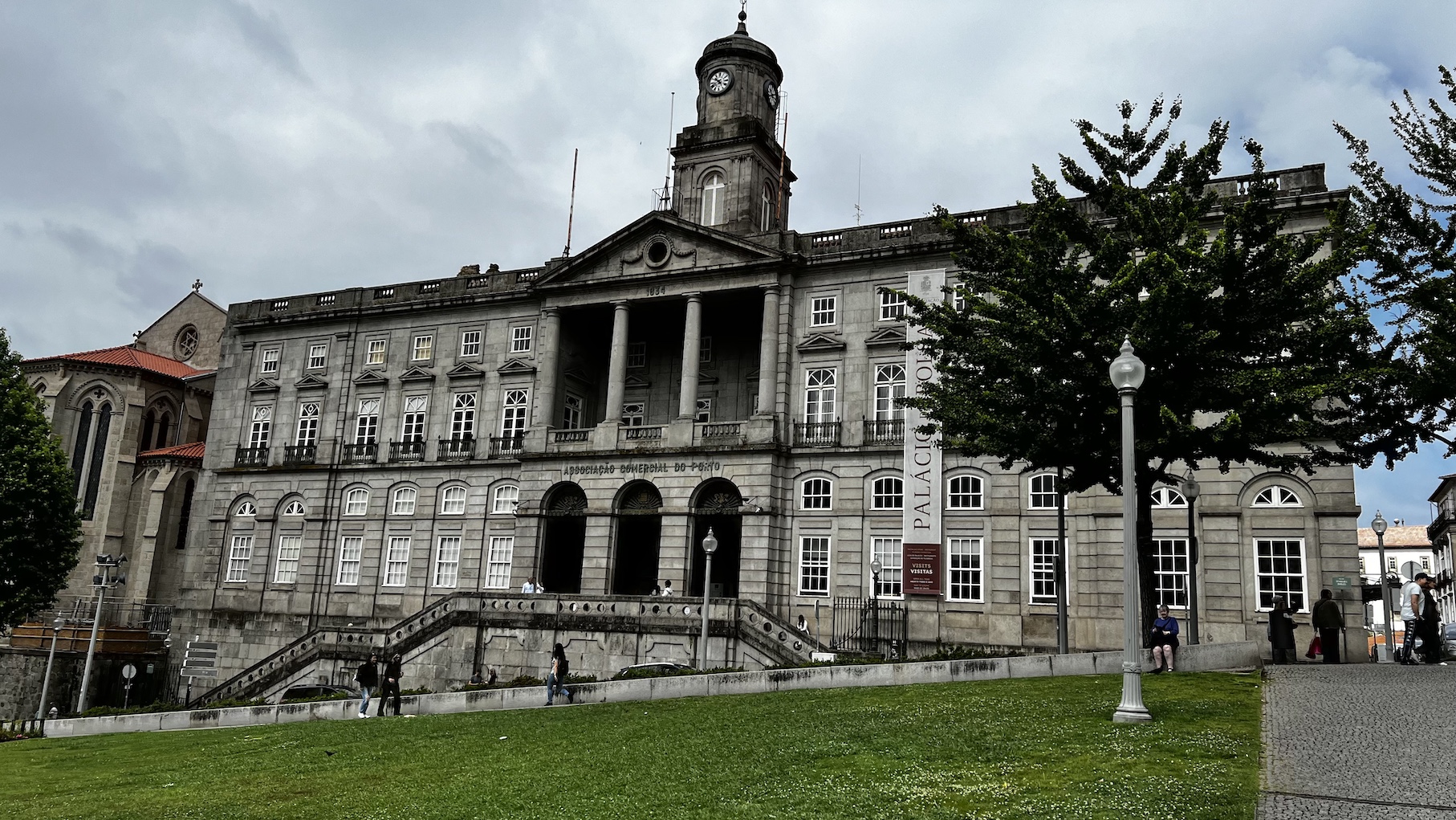
The Stock Exchange Palace was built in 19th century. It is designated a World Heritage Site by UNESCO.
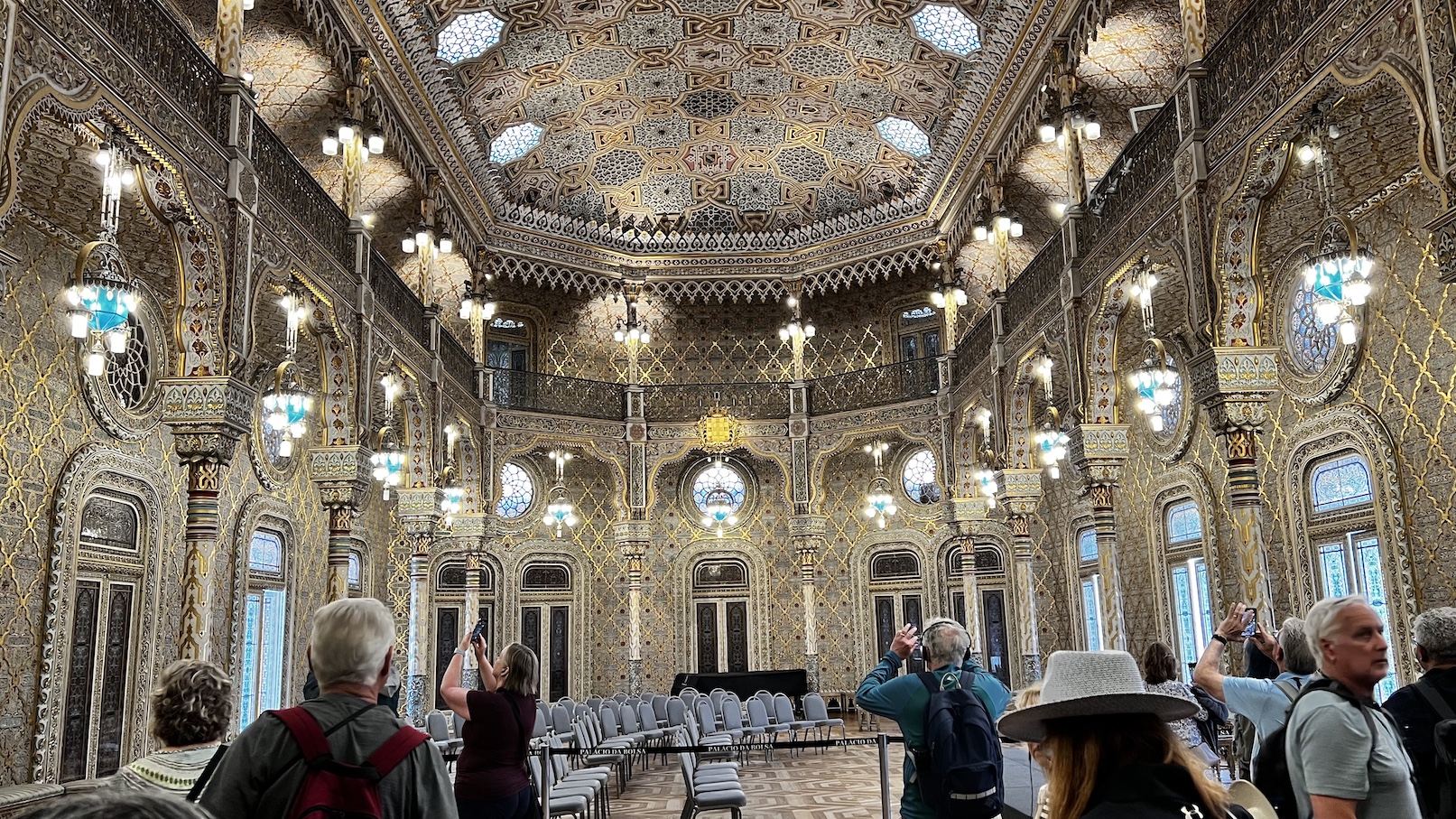
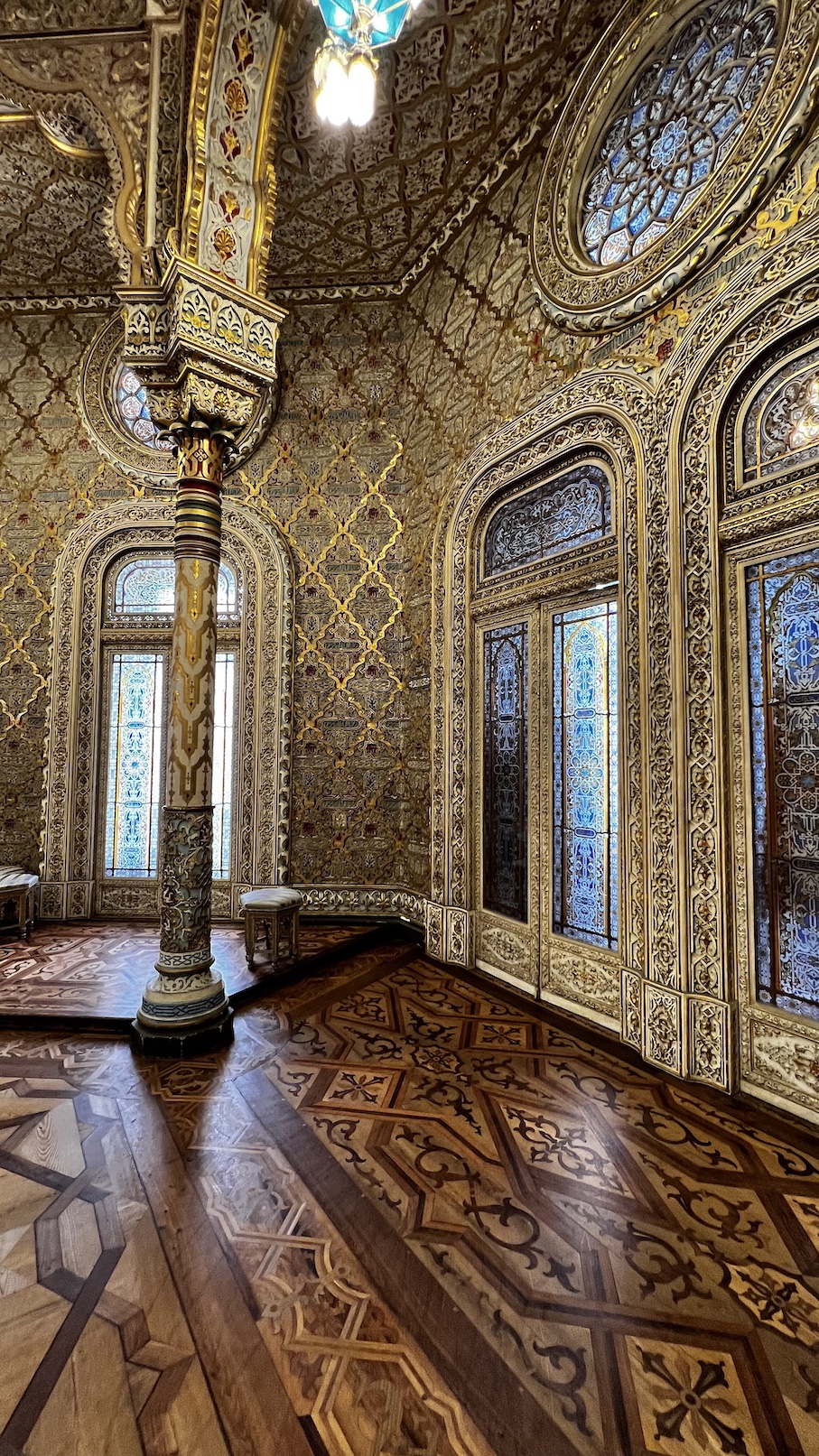
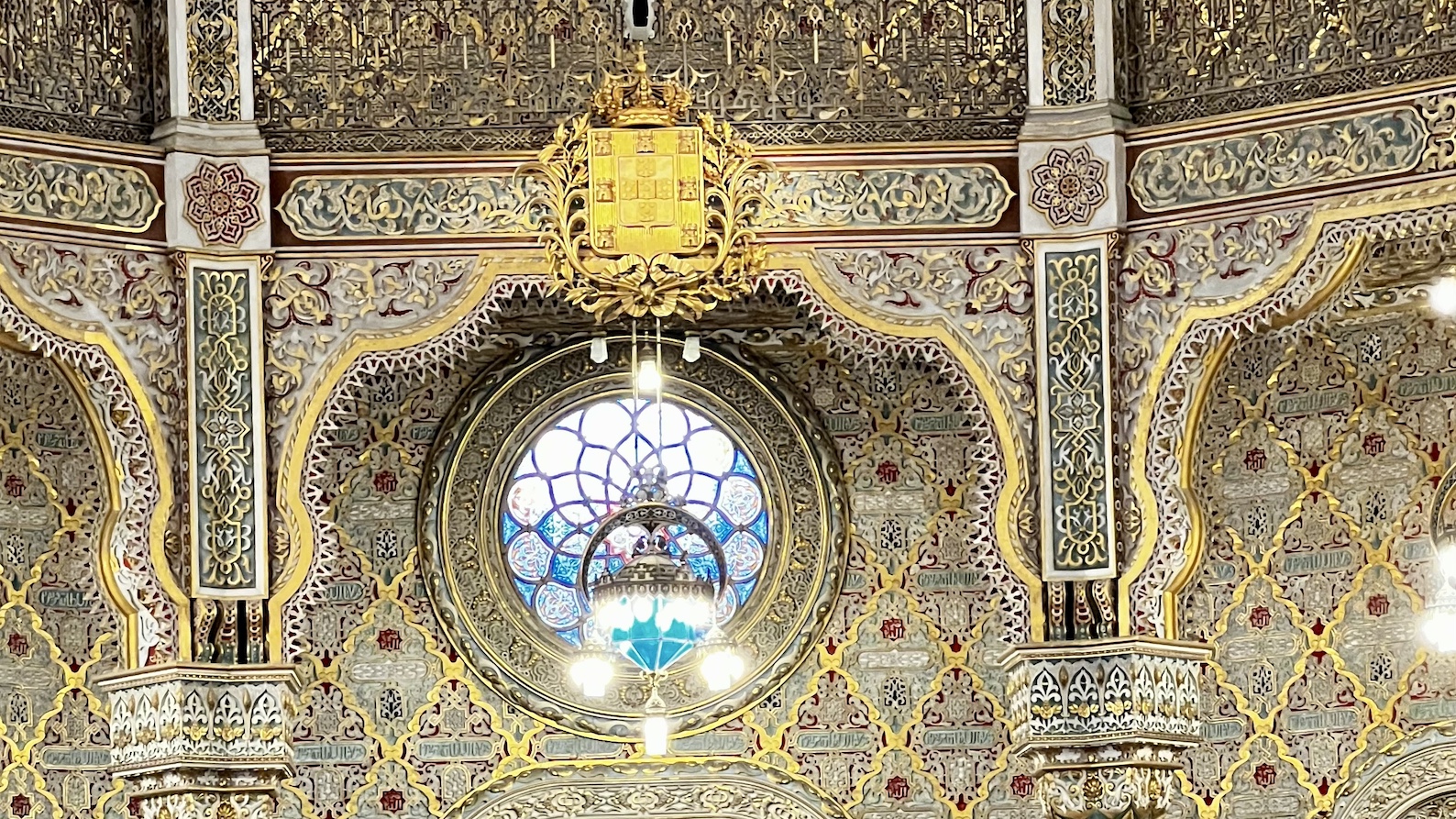
The Stock Exchange Palace is renowned for its neoclassical façade and ornate Arab Room. The palace is massive, so you don’t get to spend a lot of time in each room you visit (but I thought it was enough to get the pictures I wanted to take).
We saw the glass-domed Patio das Nacoes (Hall of Nations) and the gilded Arabian Hall, which was inspired by the Alhambra Palace in Granada, Spain.
The dome room is known as the Hall of Nations. There is a huge octagonal glass dome and surrounding the room are the coats-of-arms of Portugal and the countries it had commercial relations within the 19th century.
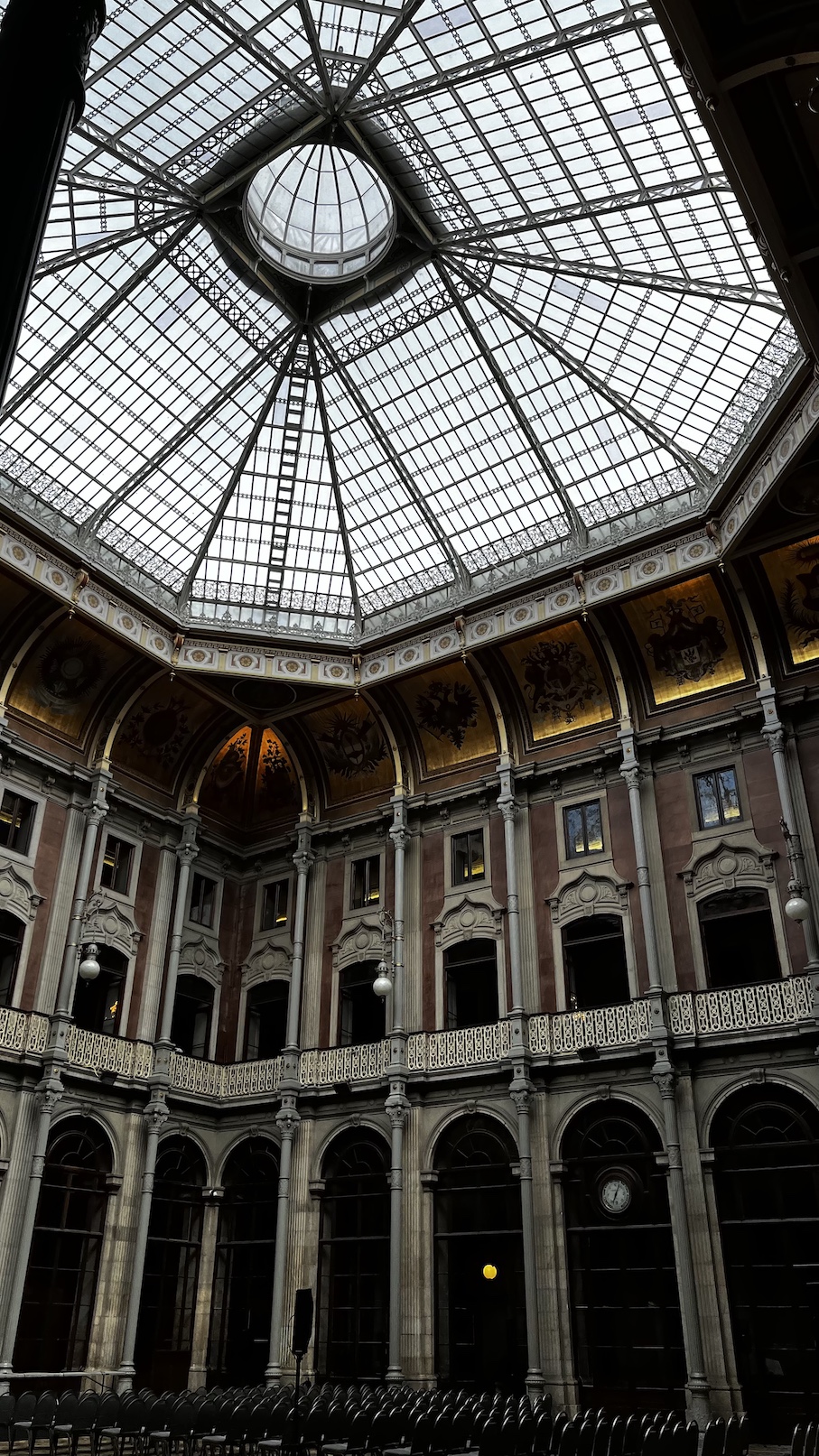
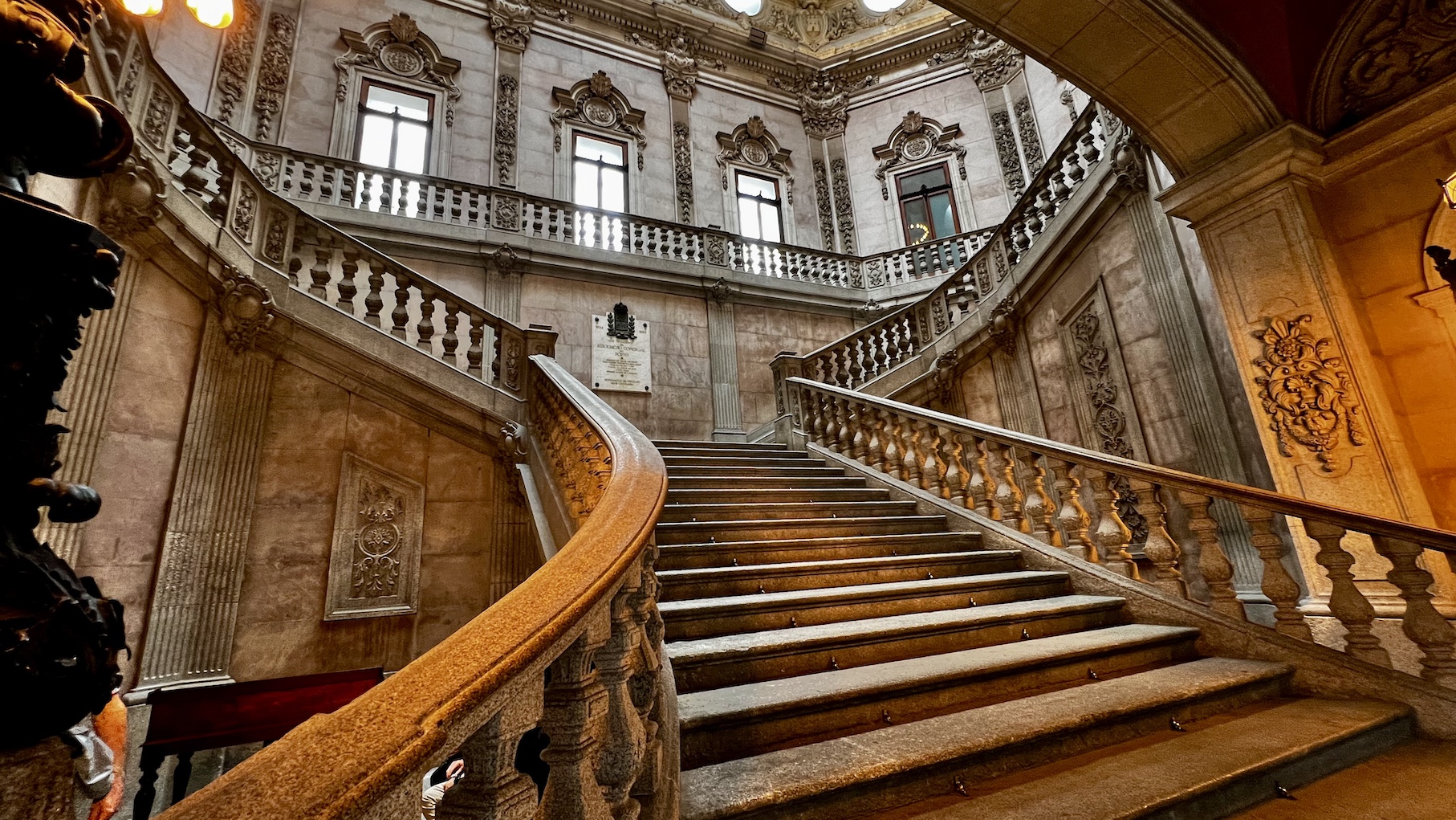
Outside the Hall of Nations, you see a beautiful decorative staircase.
Last stop was the Arab room. This room’s Moorish style was built to impress rich people who came to make deals. The beautiful wooden floors, and use of 18kg gold made this room the standout of the palace.
TIPS:
- You can only see the inside through a guided tour.
- Our tour guide provided our tickets, but it’s recommended to book in advance. The palace is a popular attraction.
- You can buy your ticket for a guided tour online.
- Tours are only 30 minutes.
My husband, Chuck and I scheduled to stay a few extra days in Porto after the Rick Steves Tour to relax and explore more of the city. But Murphy’s Law caught up with us. A virus ran through our tour group, and we dodged it until near the end of our tour. So unfortunately, we spent those last days recouping in our hotel room.
Restaurant recommendation:
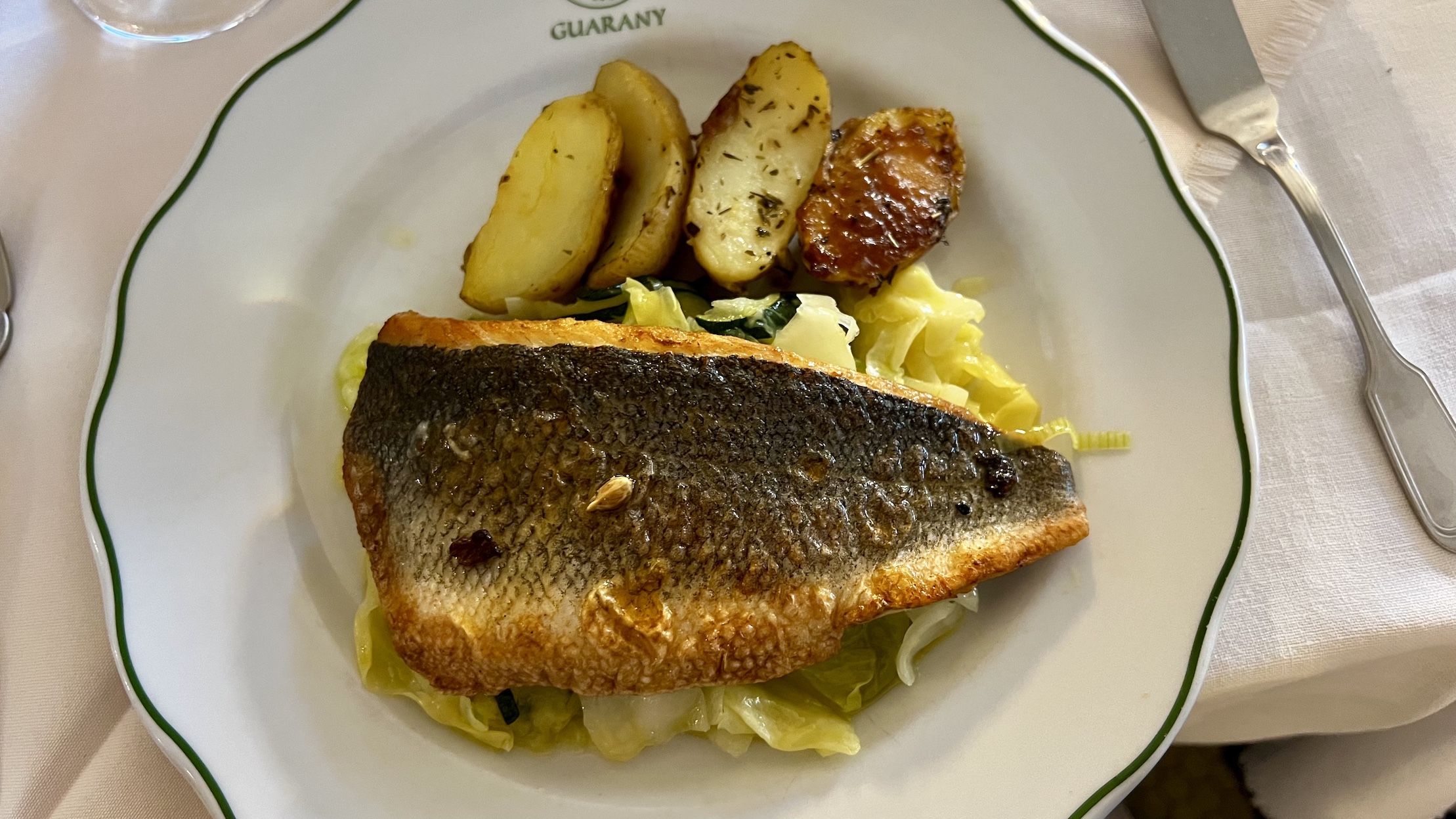
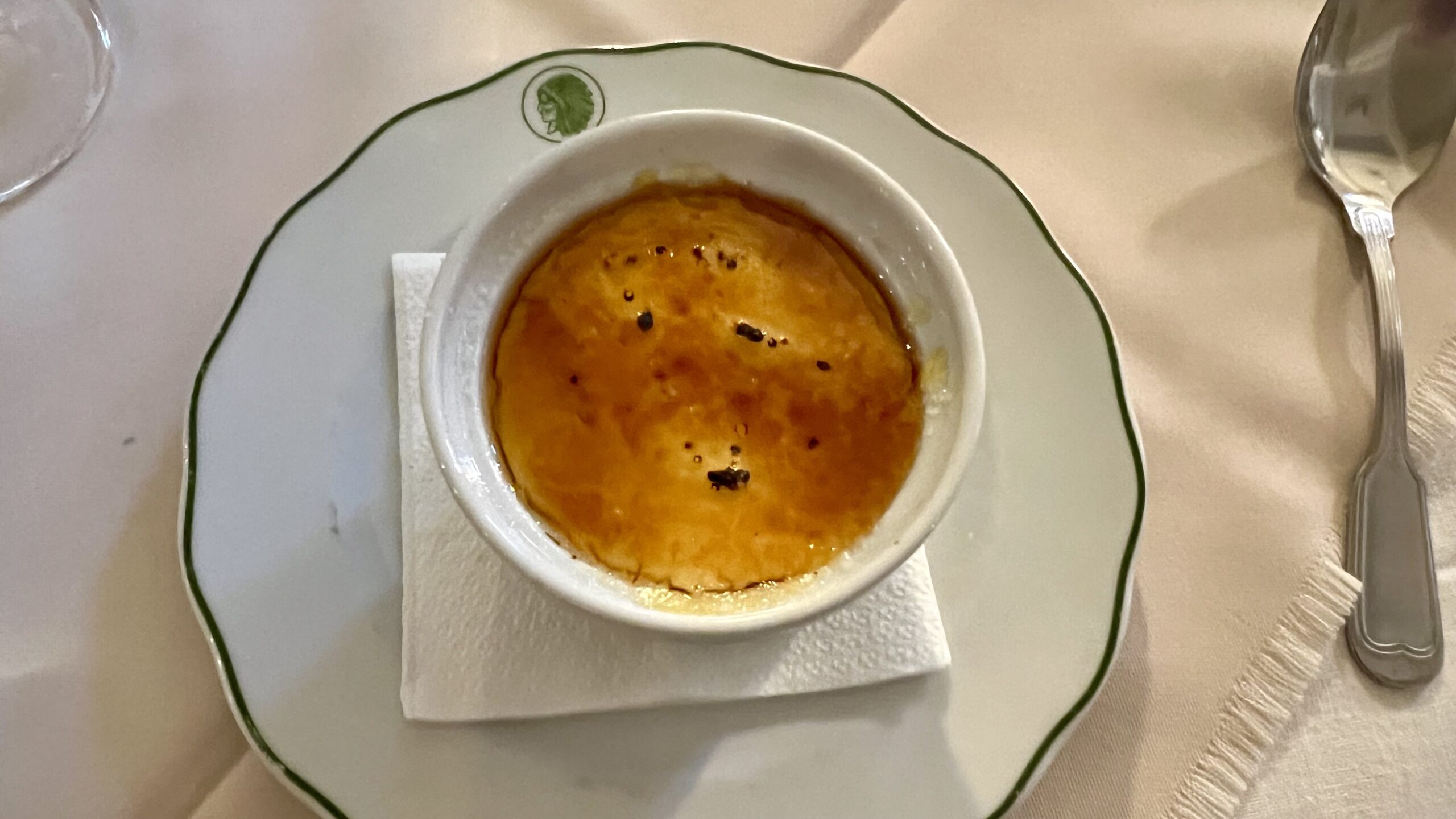
Café Guarany https://www.cafeguarany.com/en/Utilities/Homepage.aspx
We had sea bass with potato cabbage soup. Crème Brule for dessert.
This is the end of our Rick Steves Tour of Portugal. Our travel group became friends along the way. Our tour guide, Fatama, was outstanding. You were right Fatama, I was the lucky one to have you as my buddy (Rick Steves has a buddy system to keep up with everyone).
I truly hope you enjoyed taking this journey with me through my blog posts. I strive to give you enough and hopefully not too much info to help you if you want to plan a travel to Portugal.
I’d appreciate feedback and a review. This helps me improve my blogs.
Words of wisdom:
“Twenty years from now, you will be more disappointed by the things that you didn’t do than by the ones you did…
So, sail away from the safe harbor. Catch the trade winds in your sails. Explore. Dream. Discover.” Mark Twain