

Portugal
May 20th to June 8, 2025
Lisbon
We bid Carvoeiro in The Algarve goodbye and drove north to Lisbon where we’ll join our Rick Steve’s Tour the next day. Navigating the return of the rental car was a challenge at the airport, but after a few good laughs we found the rental car return.
Tips:
- When you approach the airport terminal, you’ll see the car rental return signage. You will turn left so that the terminal building is on your right. What’s confusing is you go past the terminal and will see the multi-level garage on your right. You think you’re exiting the terminal but hang in there and keep following the signage.
We got a taxi from the airport to our hotel, Hotel Lisboa Plaza. We followed the “TAXI” signs. Outside the terminal you will get in a line for a taxi. The line wasn’t long and they’re very efficient at moving the line along getting you on a taxi.
As an alternative to a taxi is Uber or Bolt. If you’re in Lisbon at the height of the tourist season (July and August) you might want to do an alternative to a taxi.
As usual, our first Rick Steve’s hotel was average and located in the middle of town. After checking into our room, we went sight-seeing on our own since our tour didn’t start till the next day. It was hot. Really hot. I can’t imagine visiting Lisbon in summer.
Lisbon metropolitan area has roughly 3 million inhabitants including the city and surrounding municipalities. They project 8.8 million tourists for 2025. Not only was it hot, but it’s also very crowded. Two of my least favorite combinations. Hot & crowded.
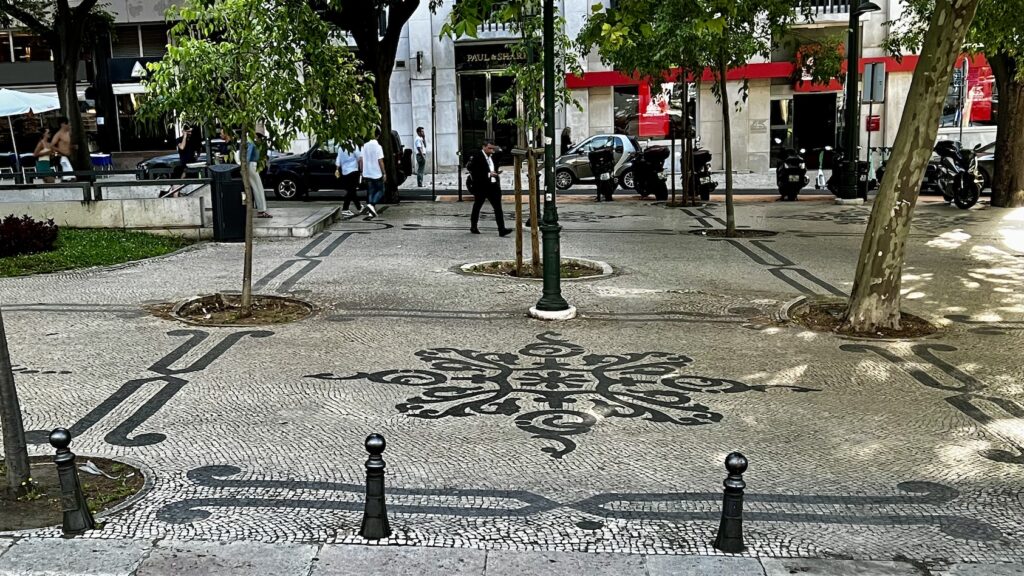
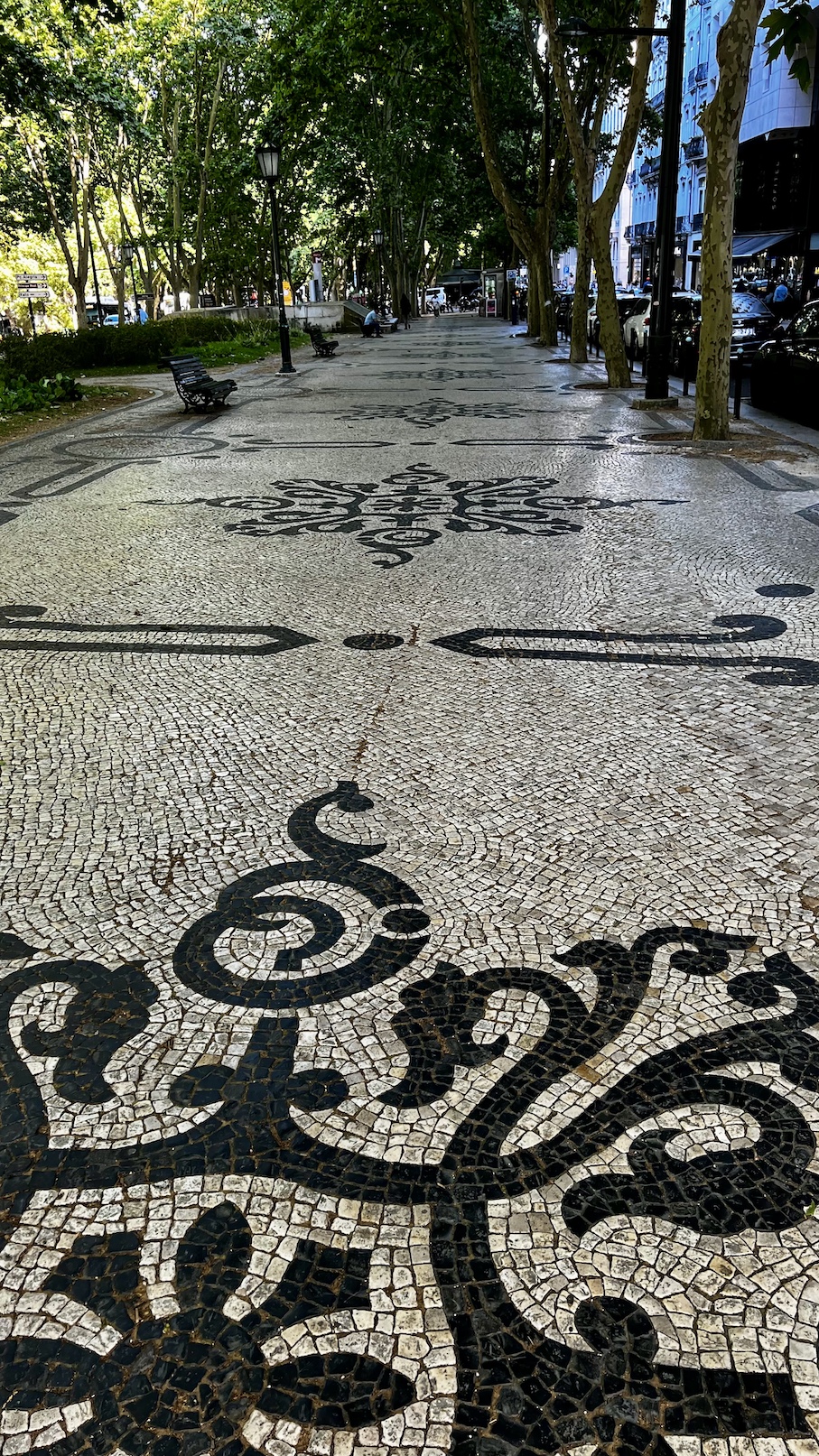
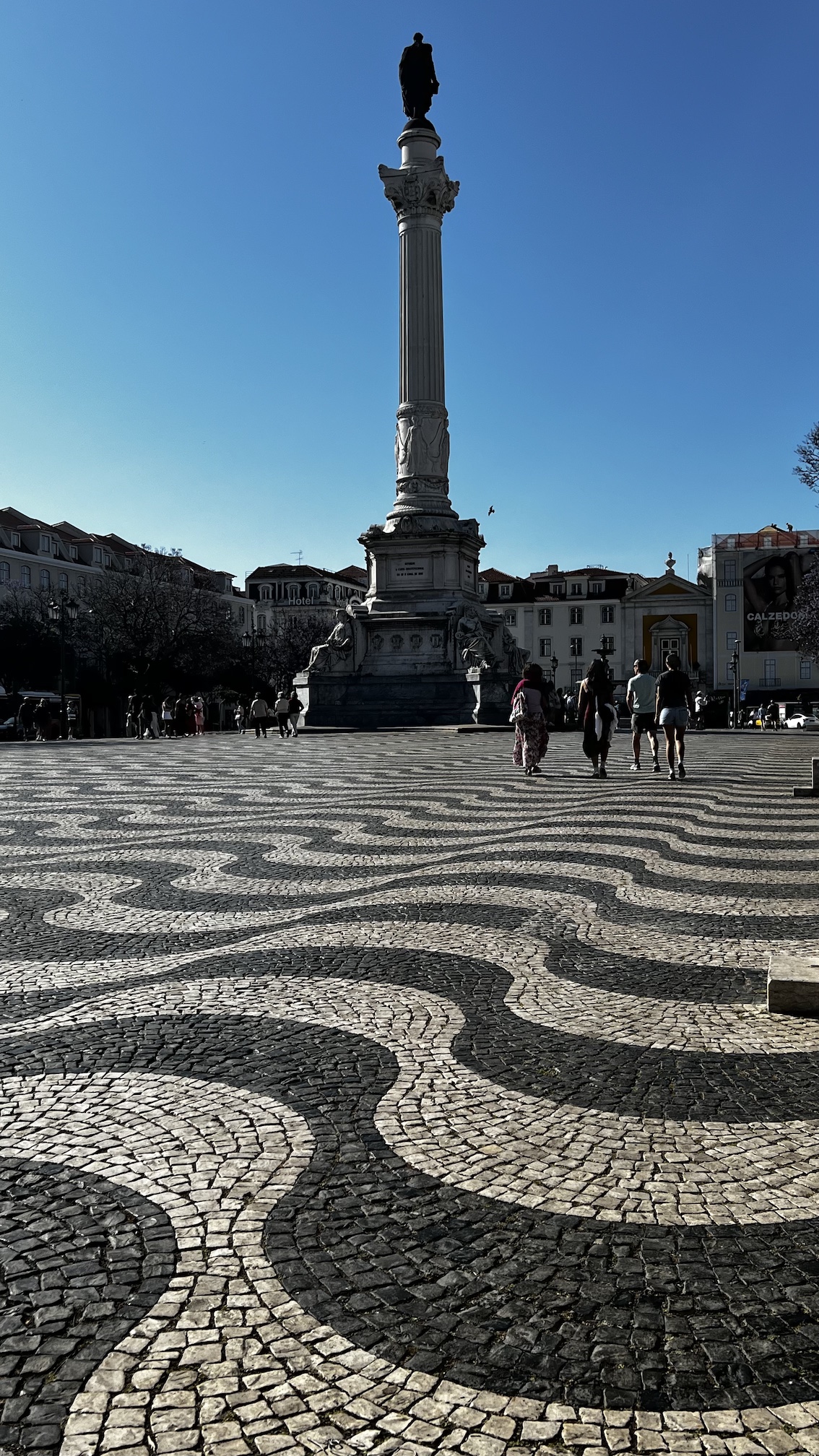
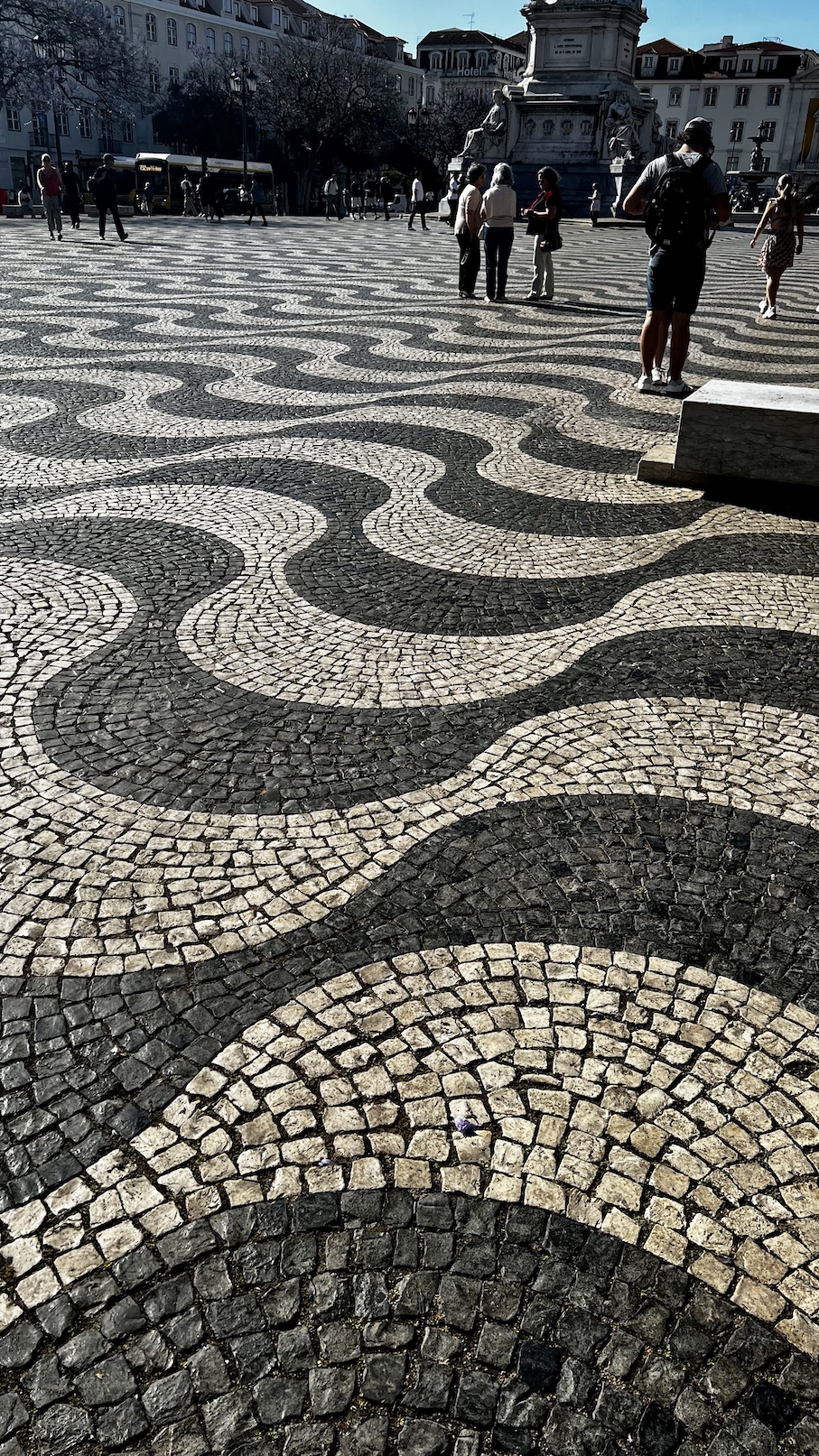
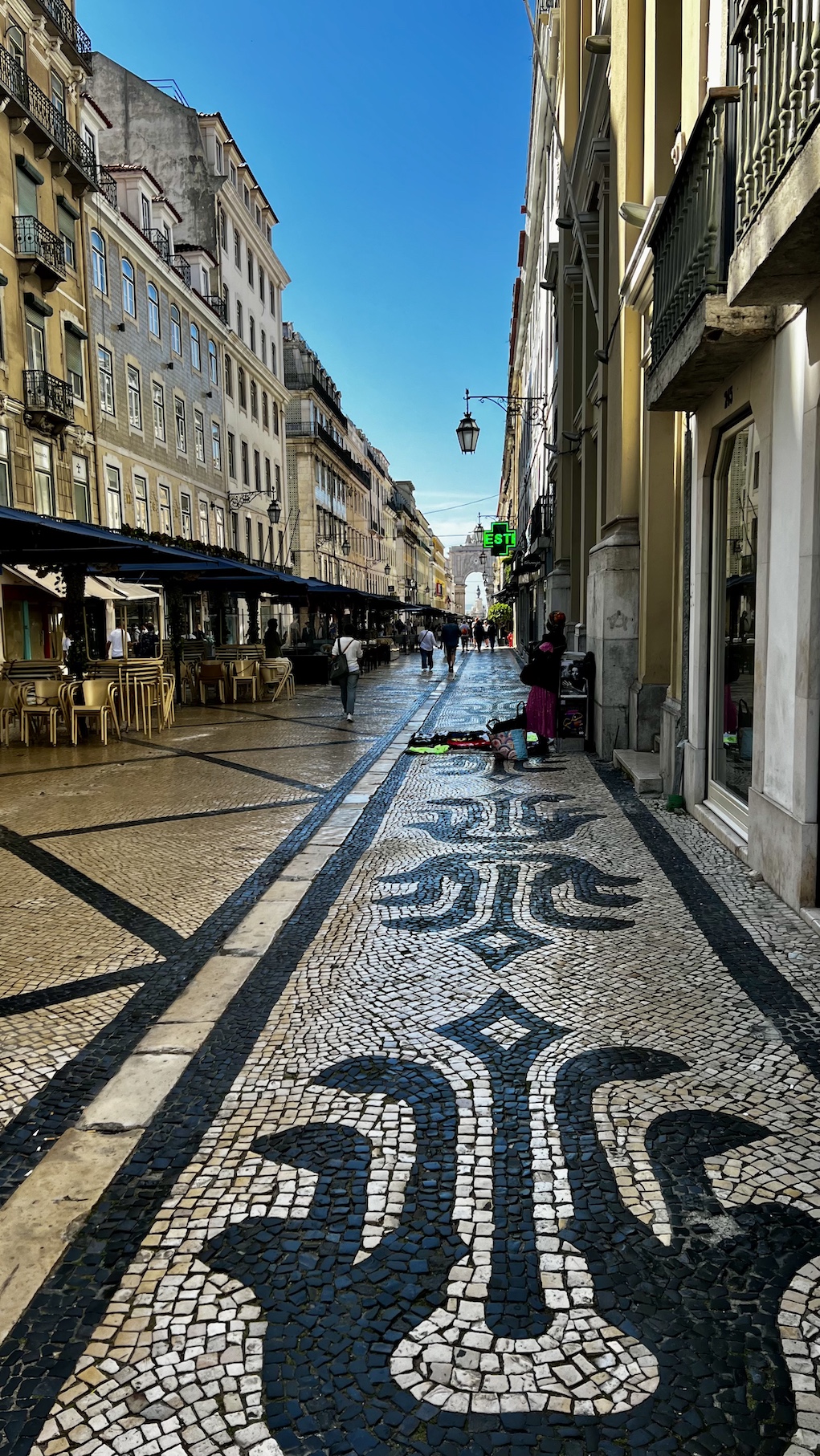
Walking around Lisbon, I discovered some unique things in this busy city. And they were literally right under my feet.
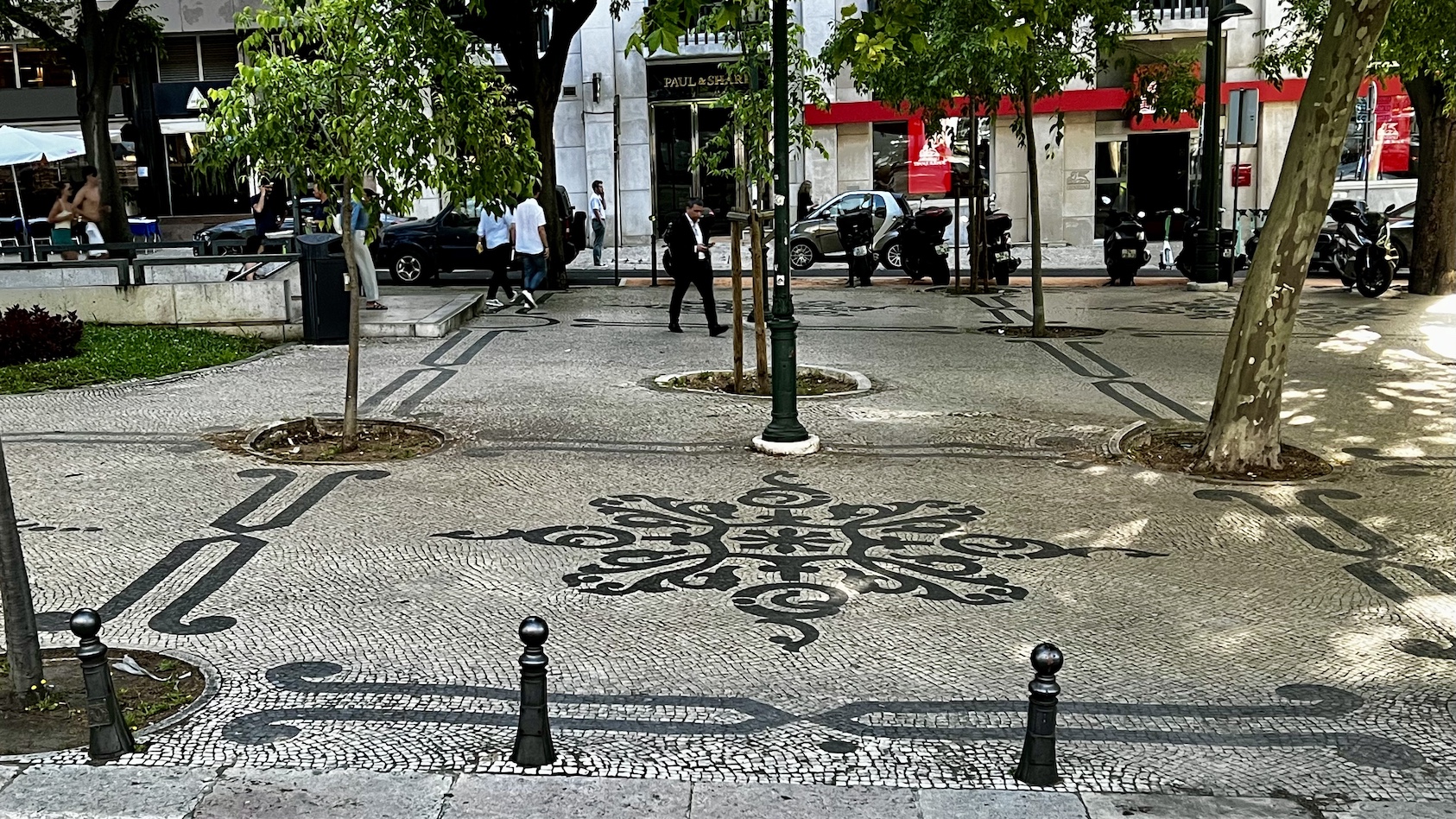
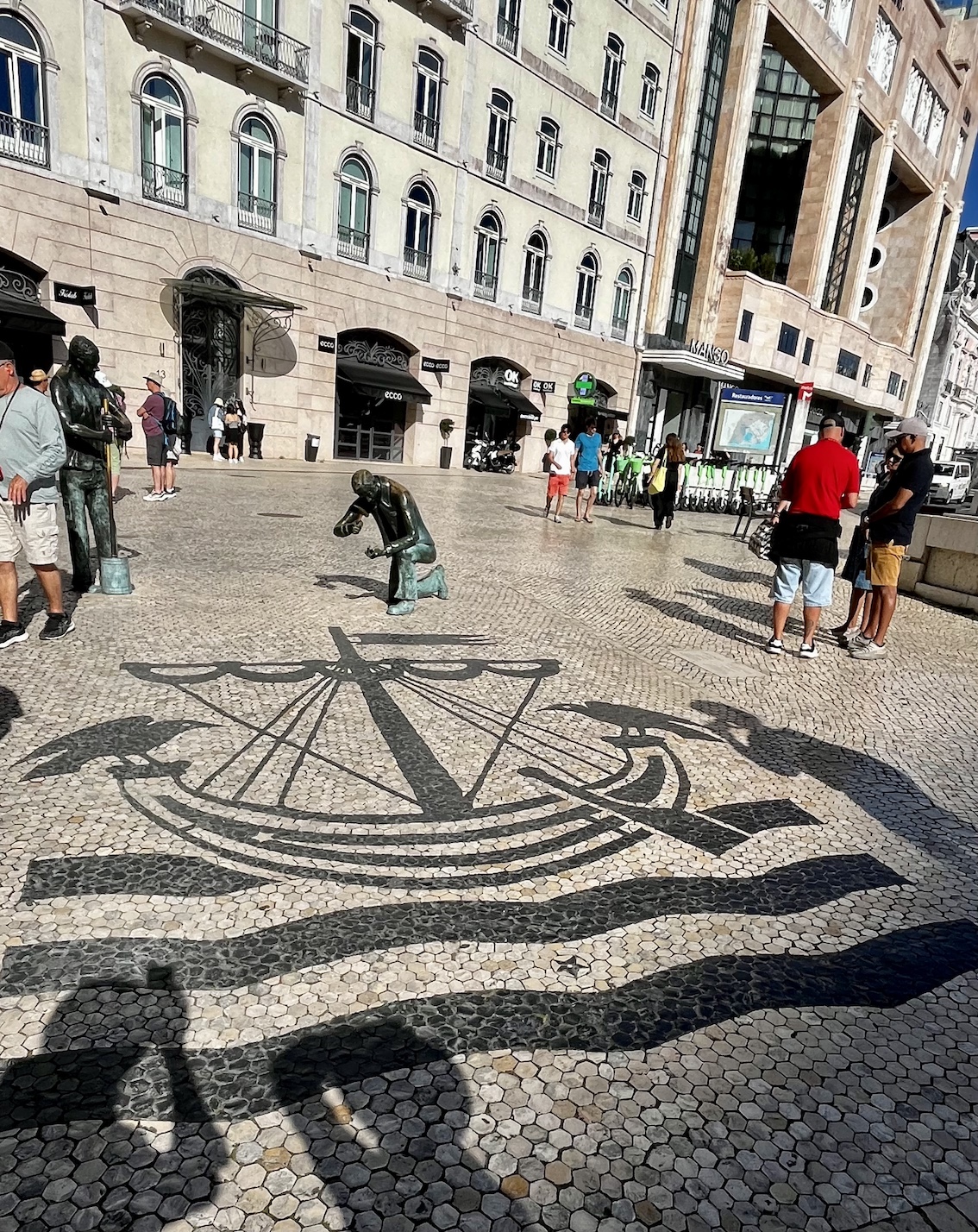
The sidewalks are stone mosaics and many have beautiful designs. They’re often made with small black and white stone known as Calcada Portuguesa. You literally have art beneath your feet. I have never seen this in other countries…yet.
Luckily it didn’t rain while we were in the city because the stones on the sidewalks get slippery when wet. Later, our guide told us that if it rains a lot, they don’t do the walking tours in Lisbon.
Here are a few pictures of the mosaics on the sidewalks and plaza. When looking at these pictures, think about how many thousands of feet have walked on these tiles for centuries. They were meant to last. Amazing. Beautiful.
Another thing I noted while Chuck and I strolled through the city was that the locals are friendly. A Portuguese couple sitting next to us in an outdoor restaurant heard us speaking English and struck up a conversation. Many, if not most, Portuguese speak English.
I really like people watching and I observed that in Lisbon people don’t dress like we do in Colorado, casual. Many women wore full flowy dresses and palazzo pants. They looked stylish and comfortable.
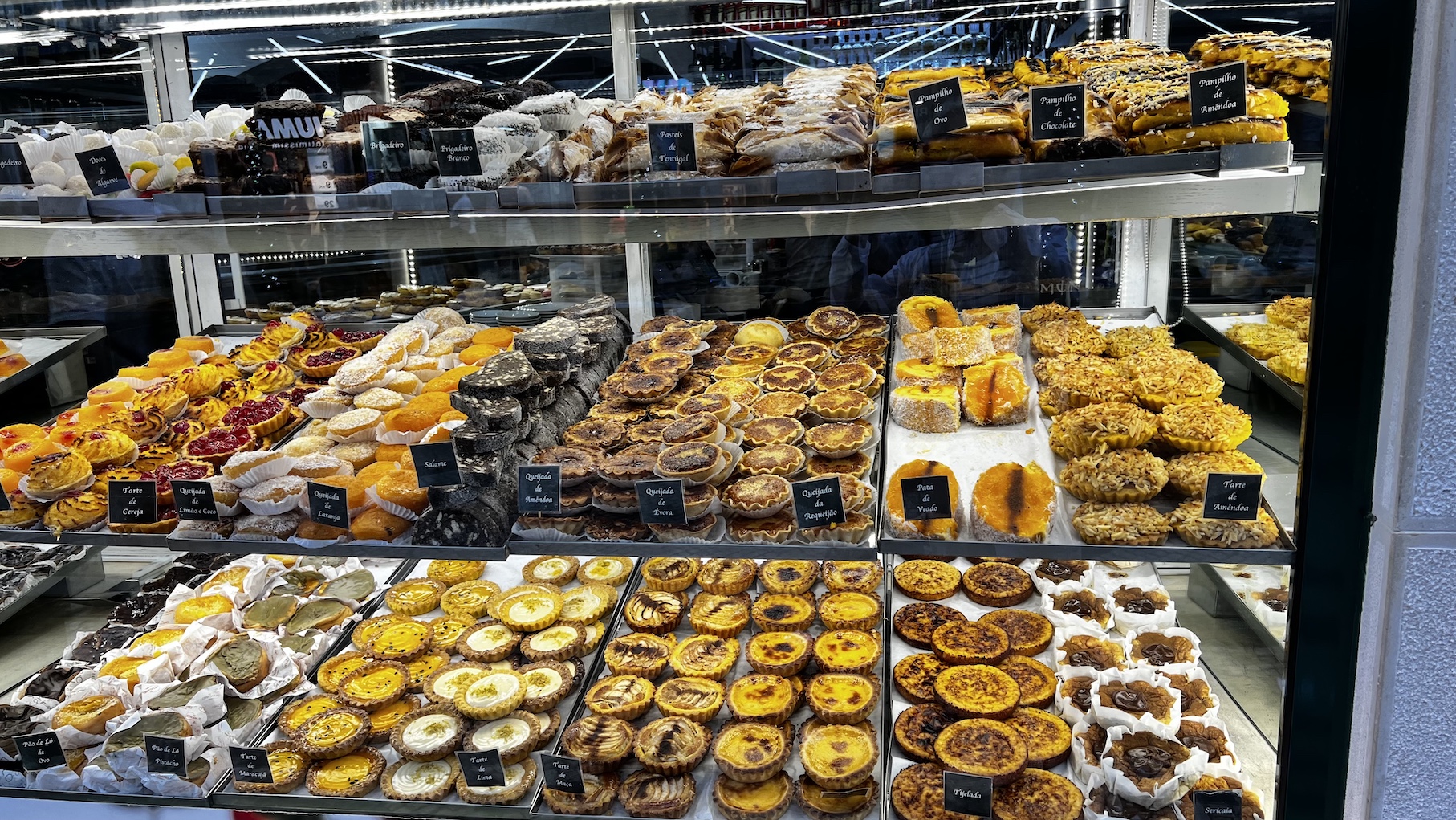
And who could not stop and marvel at the pastries displayed in the windows of shops. You must go in and get the delicious Portuguese custard tart, Pasteis de Nata. You’ll find them in most bakeries.
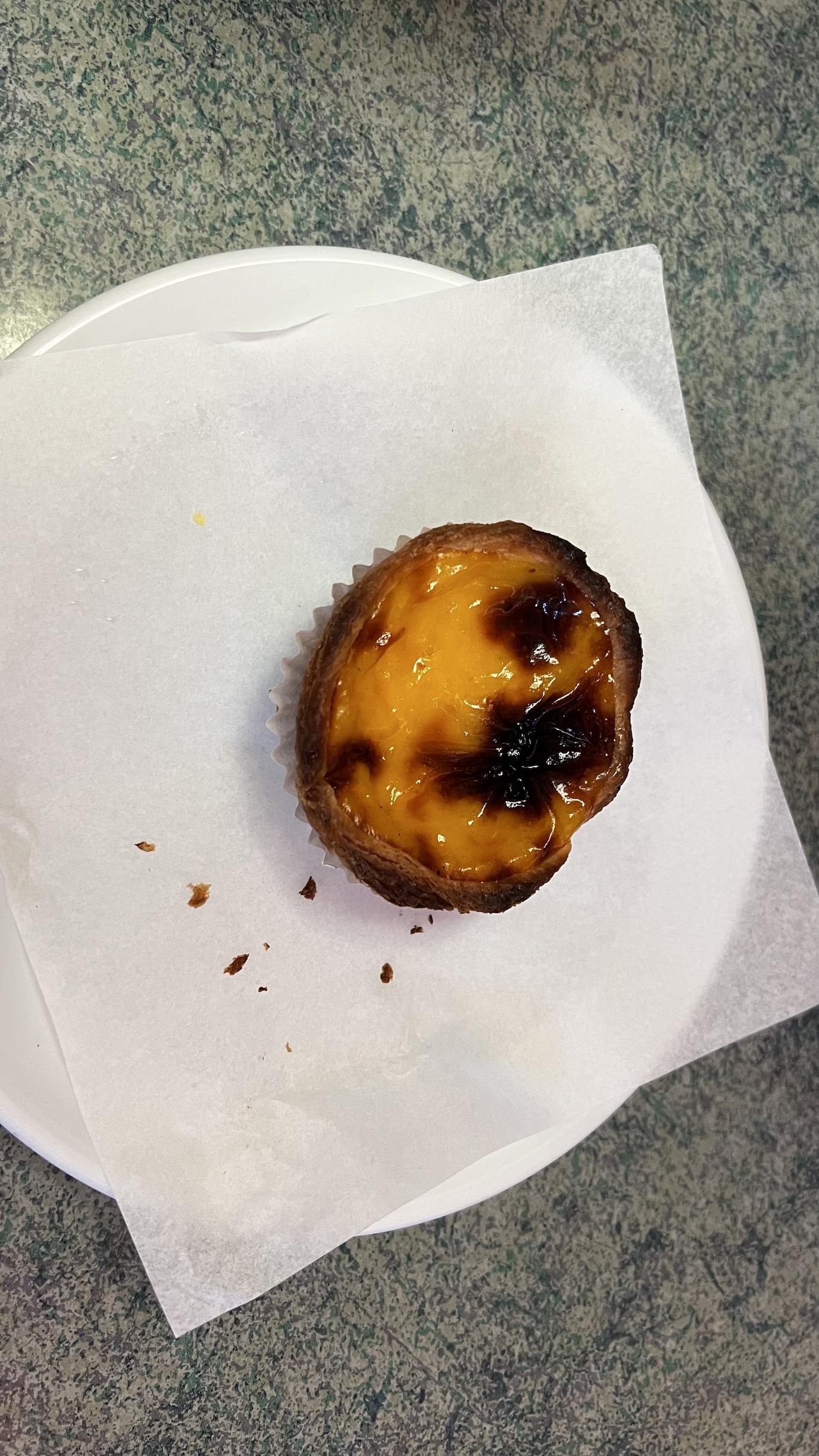
This was just our first day.
I won’t take you on a day-by-day itinerary of our Rick Steves Heart of Portugal in 12 Days. If you want a day-by-day itinerary then check out this link, https://www.ricksteves.com/tours/portugal/best-portugal-tour
I will share some highlights from our tour and a bit of history. There’s so much to know about this small country’s history.
We had a wonderful Rick Steve’s guide named Fatima. Fatima is Portuguese, loves Portugal and is a walking encyclopedia of Portuguese history. She made learning the history of Portugal interesting and used local guides in the cities we visited.
For such a small country, Portugal has a diverse geography. The Tagus River divides the mainland. The northern part is mountainous with a cooler, wetter climate. The southern part has rolling plains and is warmer and drier.
Lisbon, the capital of Portugal, is located at the mouth of the Tagus River, near the Atlantic Ocean. Lisbon’s location is the reason it became a major historical port for trade.
I’ve gotta share a little history here since our guide, Fatima, was so passionate about it.
It was during the Age of Discovery when explorers set sail from Lisbon’s port and eventually established a sea route to Asia. In 1498, Vasco da Gama was the ‘first’ (Fatima emphasized they were the “first”) to sail around Africa’s Cape of Good Hope to India. At this time in history, Portugal dominated the spice trade between Europe and Asia.
The maritime exploration made the Kingdom of Portugal wealthy and powerful. If you think about Portugal being about the size of the state of Indiana, this is an amazing part of history.
We did a walking tour of Lisbon’s neighborhoods. We visited Bairro Alto, the Alfama and the Baixa. Alfama district is the oldest neighborhood.
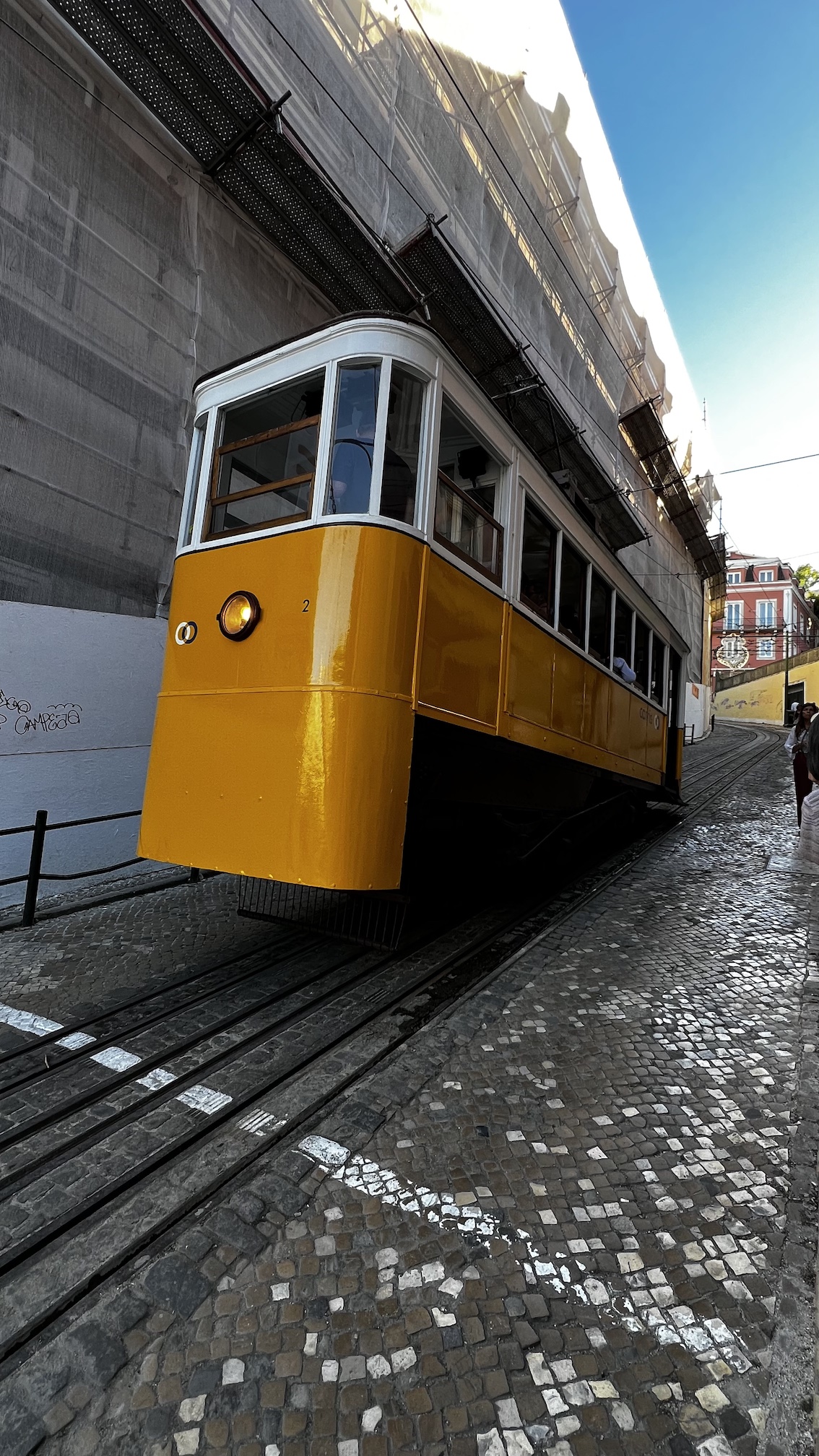
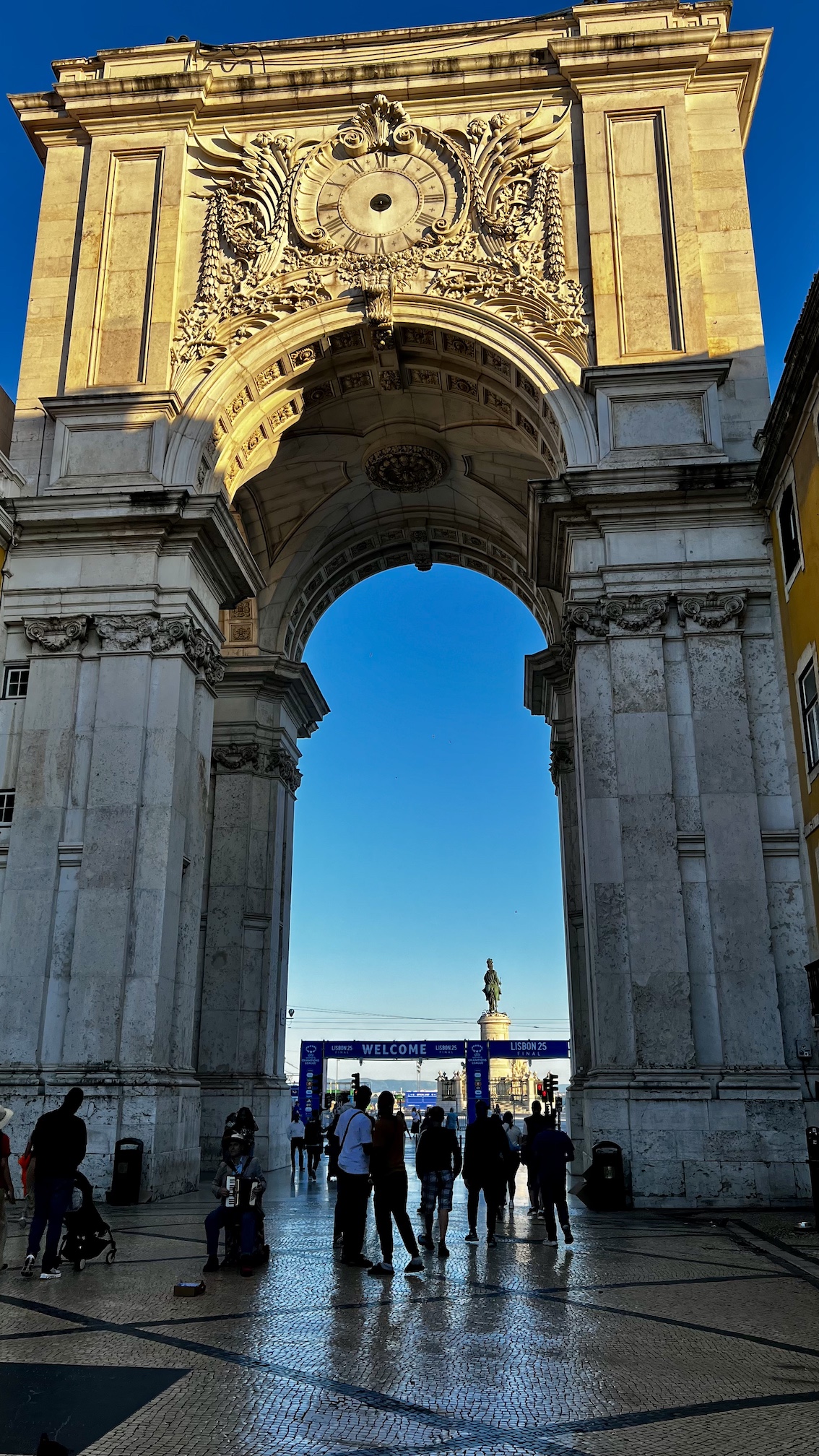
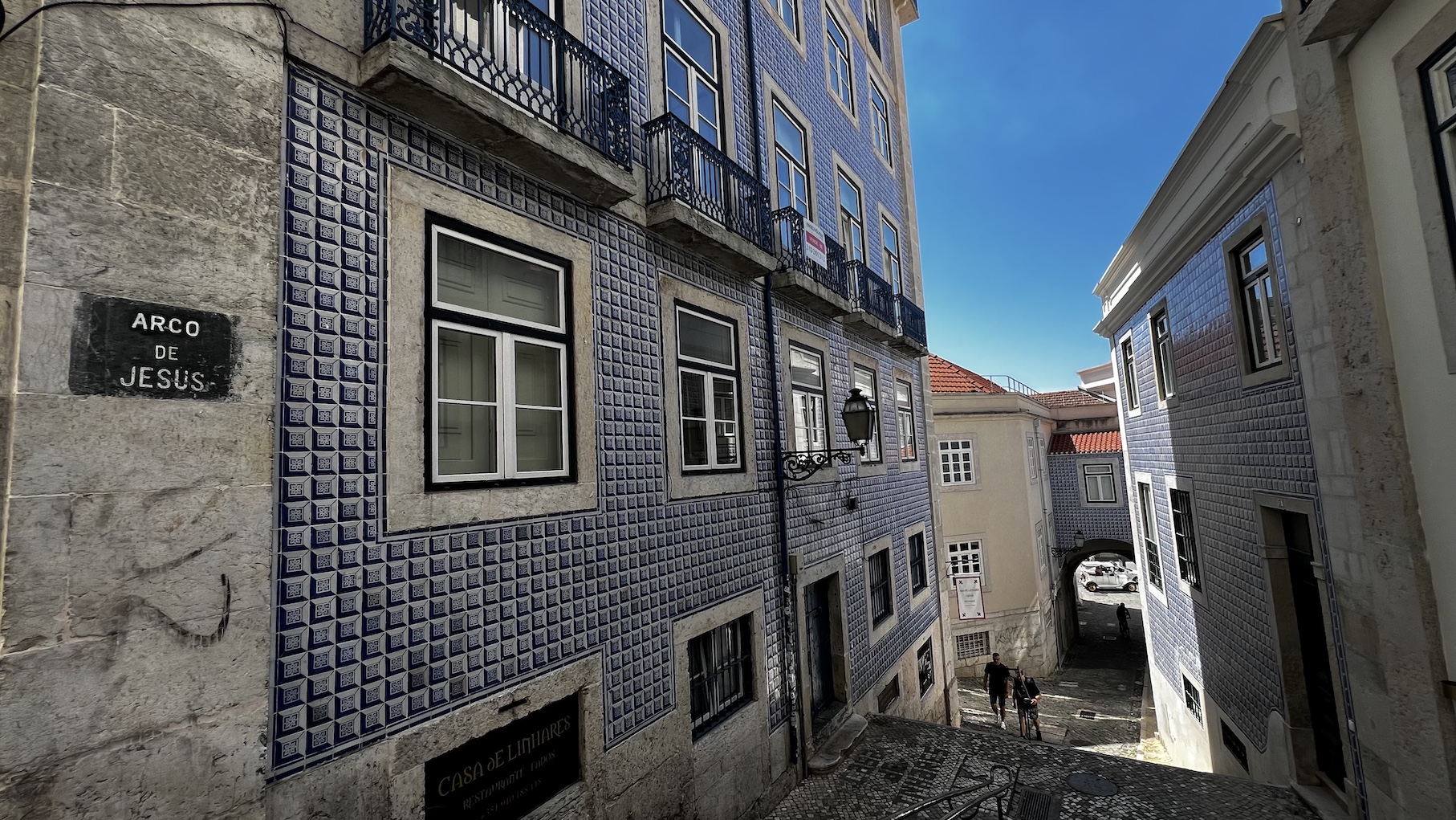
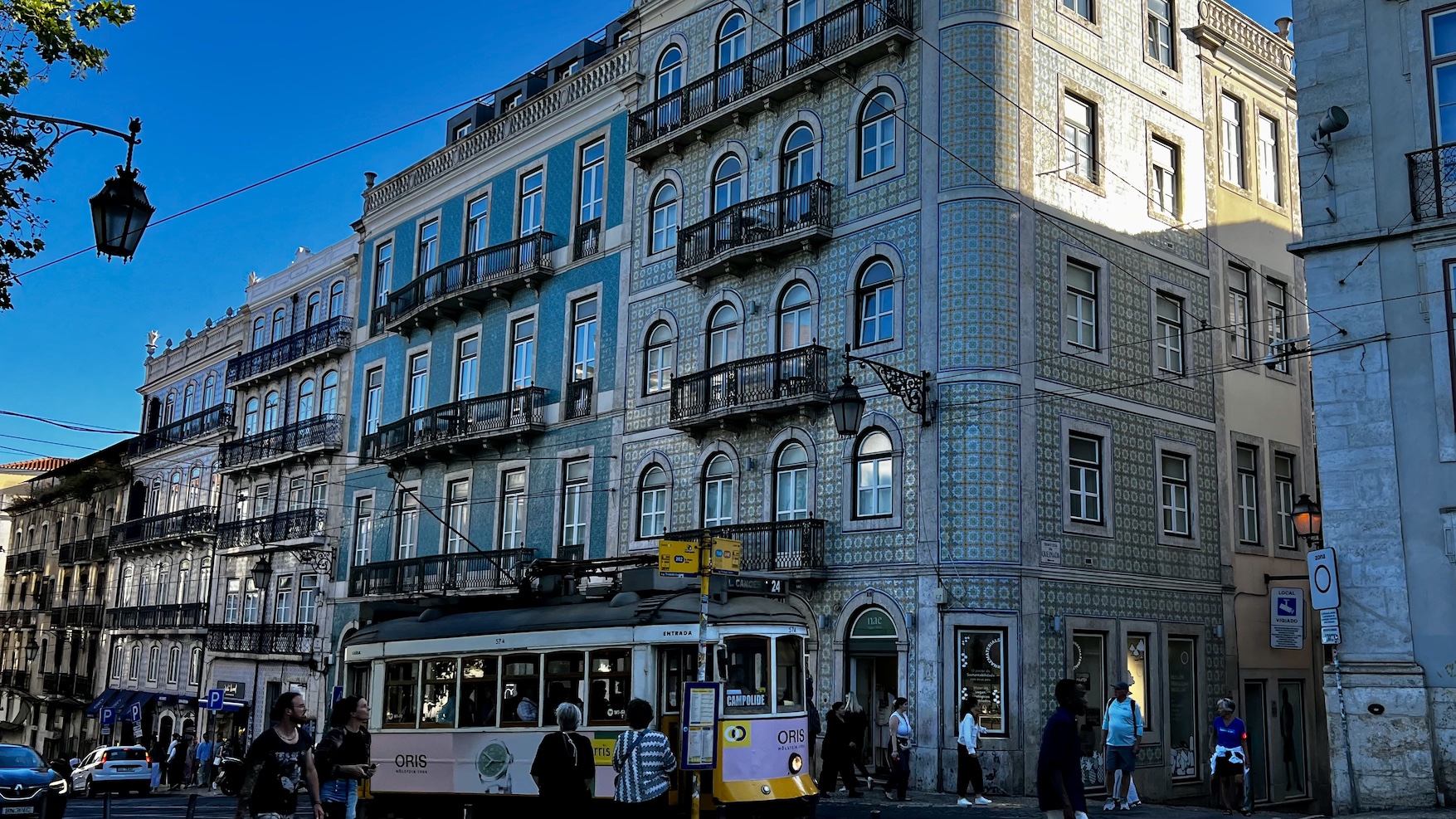
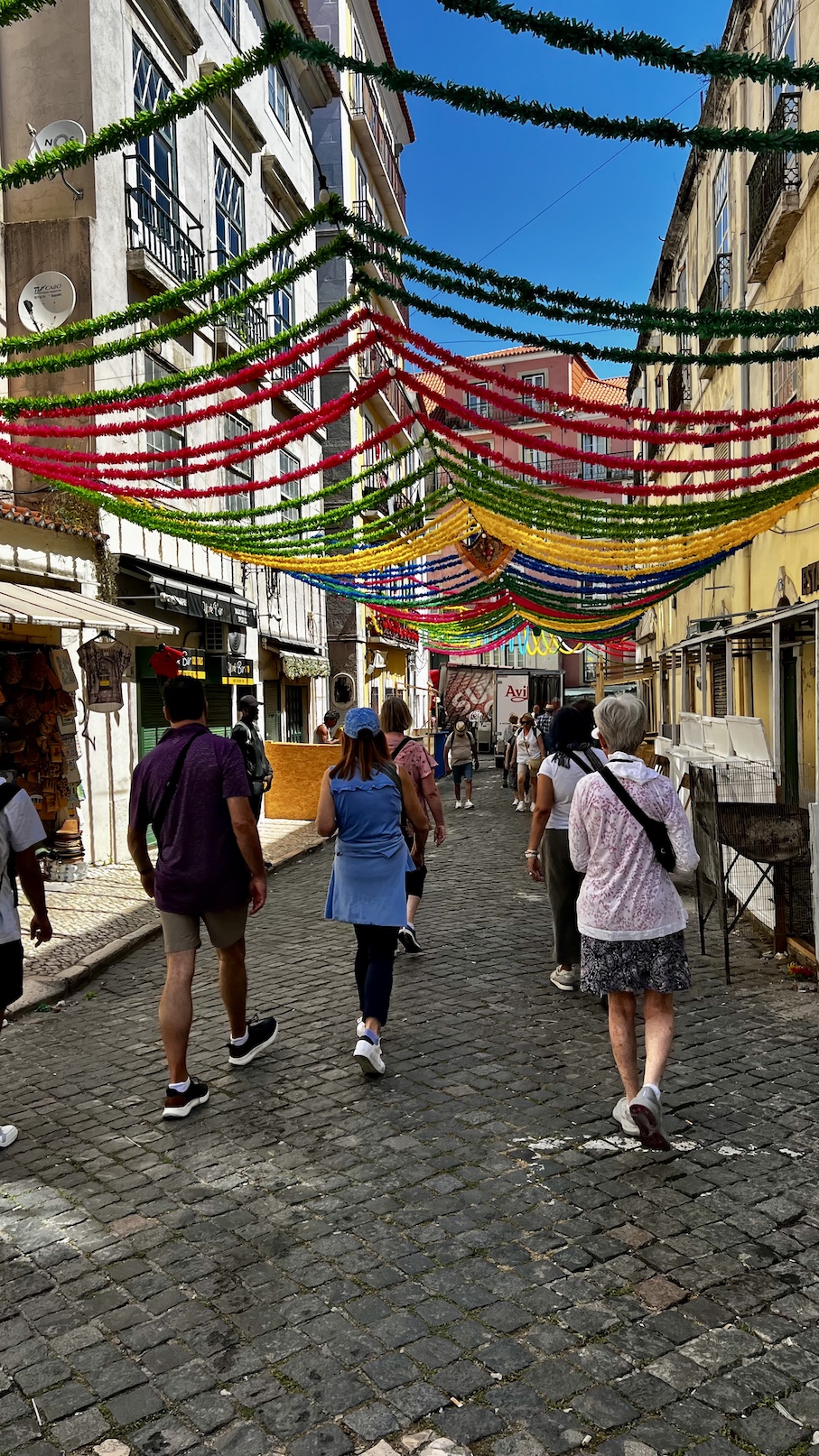
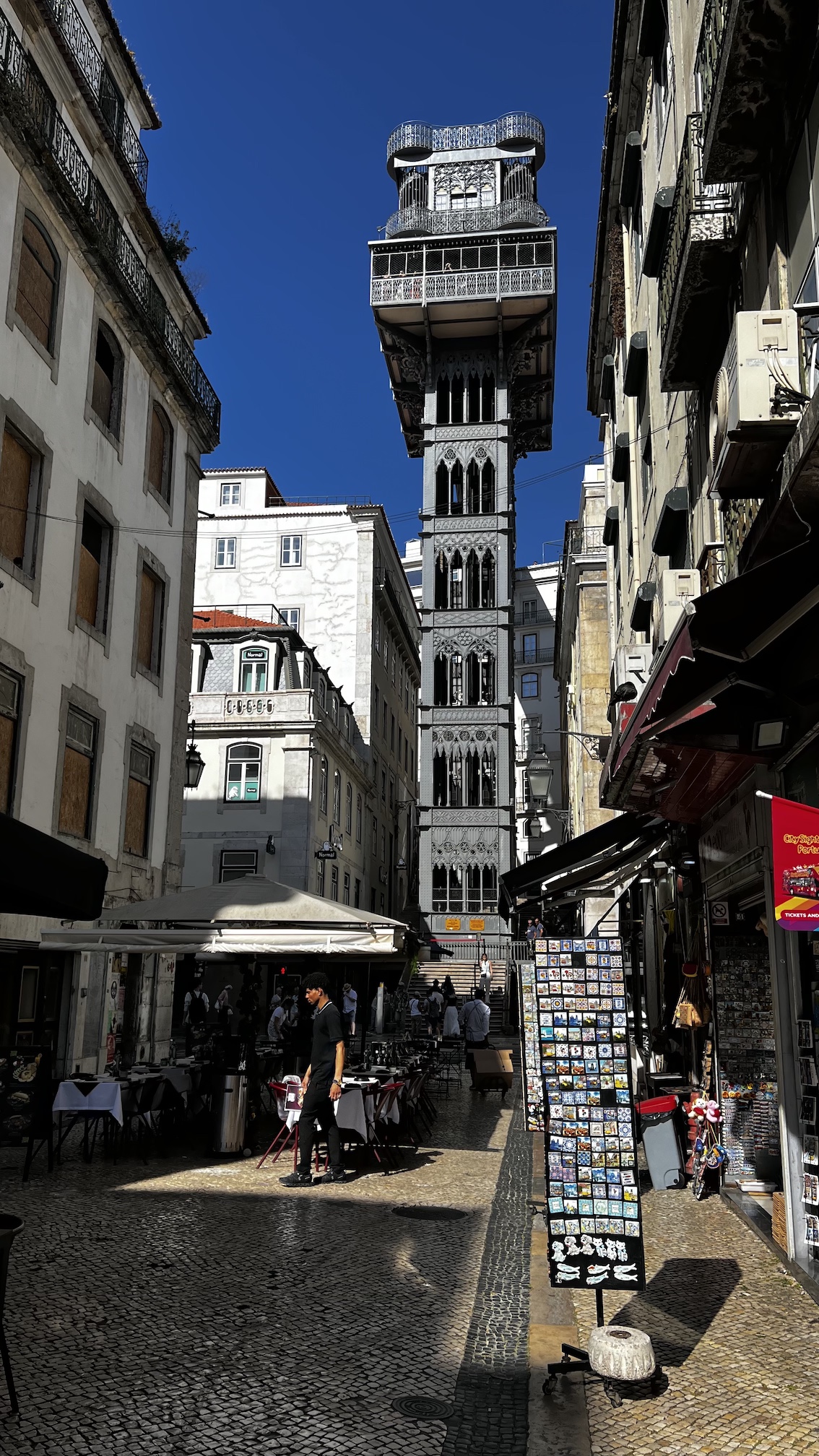
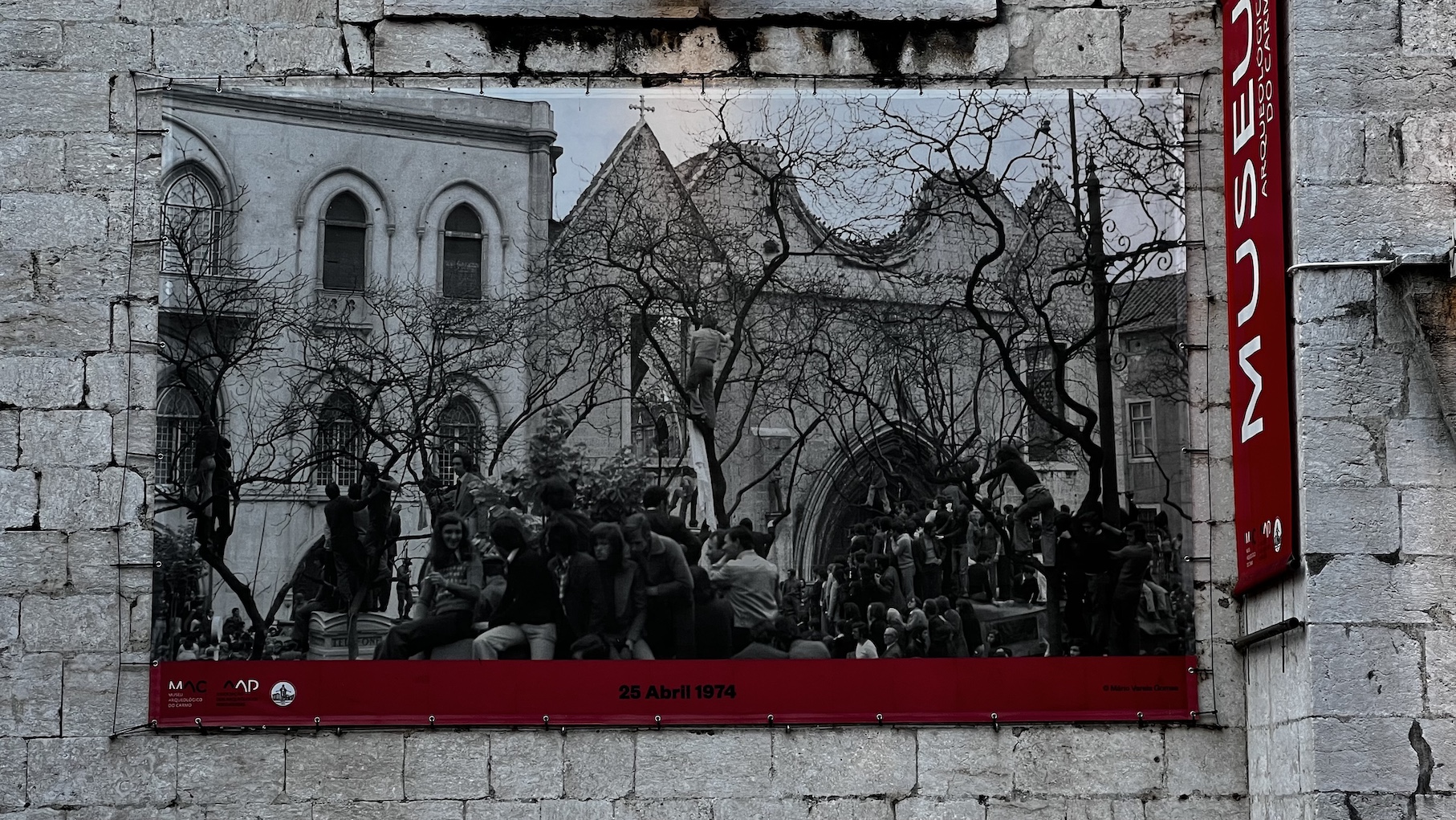
Fatima gave us a walking history lesson of the dictatorship under Salazar from 1933 to 1974 in Portugal. I’m sad to say, I didn’t know Portugal had a dictator in such recent history. I was in college but not paying attention to current events, unfortunately.
It’s an interesting part of Portugal’s history and how an authoritarian regime was put in place. The Portuguese people wanted stability and believed Salazar; a professor of economics was the answer to the country’s financial issues. When Salazar became prime minister, a new constitution was drafted which established an authoritarian regime. Salazar was given power to be a dictator for decades until the carnation revolution ended his dictatorship on April 25, 1974.
Women’s rights were restricted during Salazar’s dictatorship. Their roles were confined to domestic duties.
Restaurant recommendation:
- Cozinhha Da Estacao https://www.cozinhadaestacaorossio.com/
- Bonjardin https://bonjardim.menu-world.com/
We enjoyed piri-piri chicken, creamed spinach
Belem
Belem is a district of Lisbon on the Tagus River. We took a bus from Lisbon to Belem. If you’re not in a tour group, you can get there by train or tram.
Belem has several historic sites, but my favorites were the Jeronimos Monastery and the Maritime Museum which is located within the Monastery.
The Jeronimos Monastery
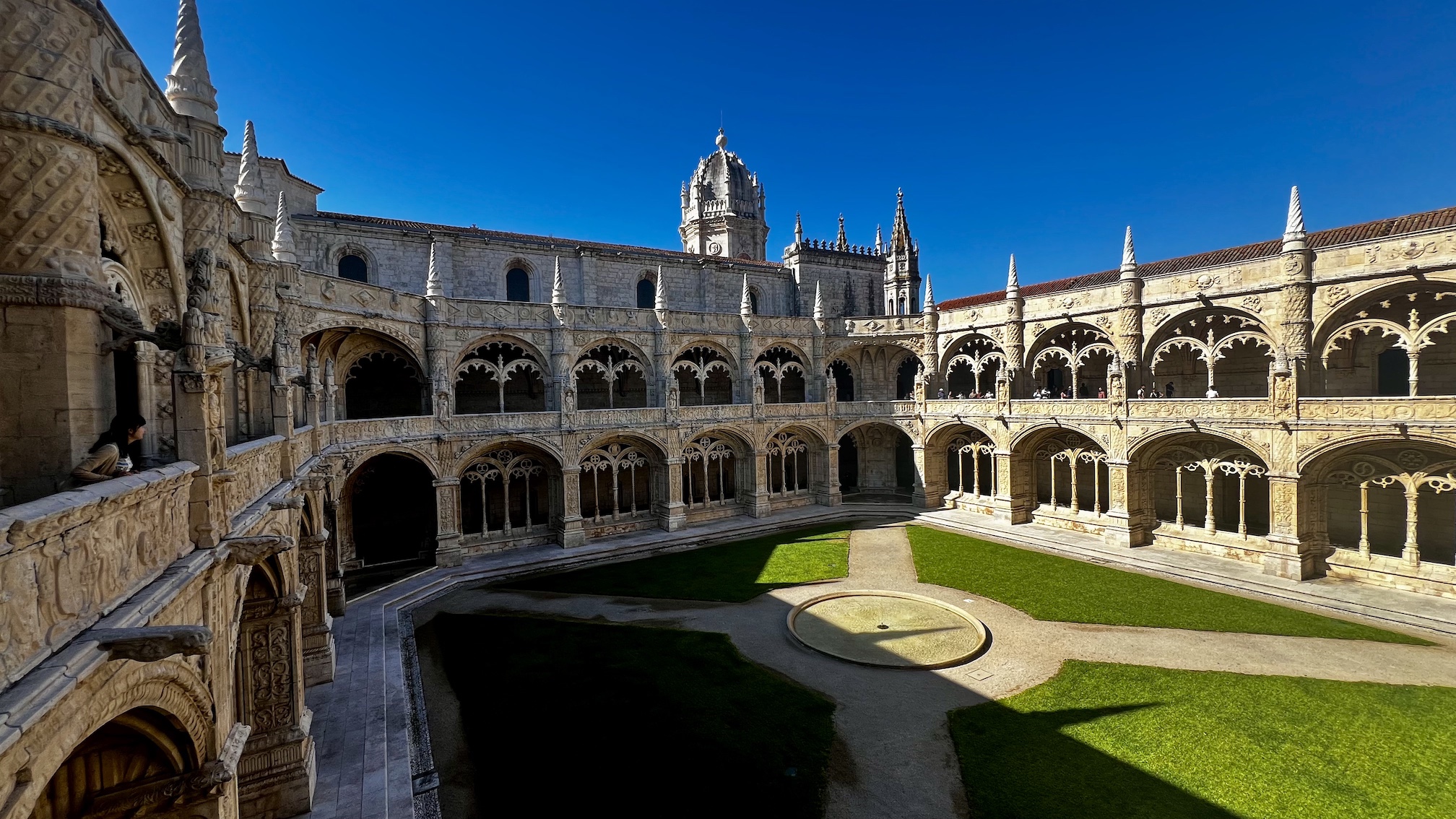
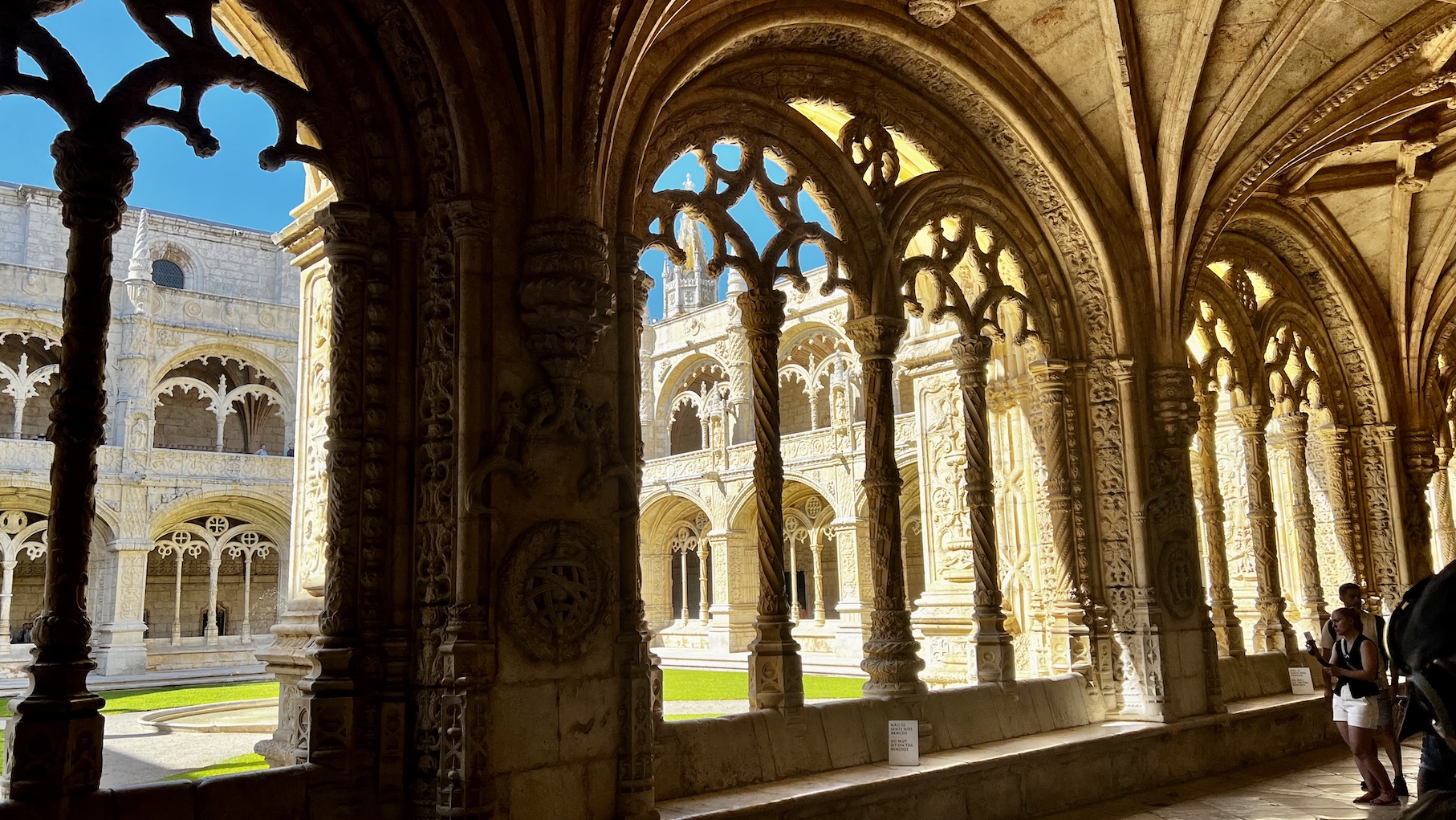
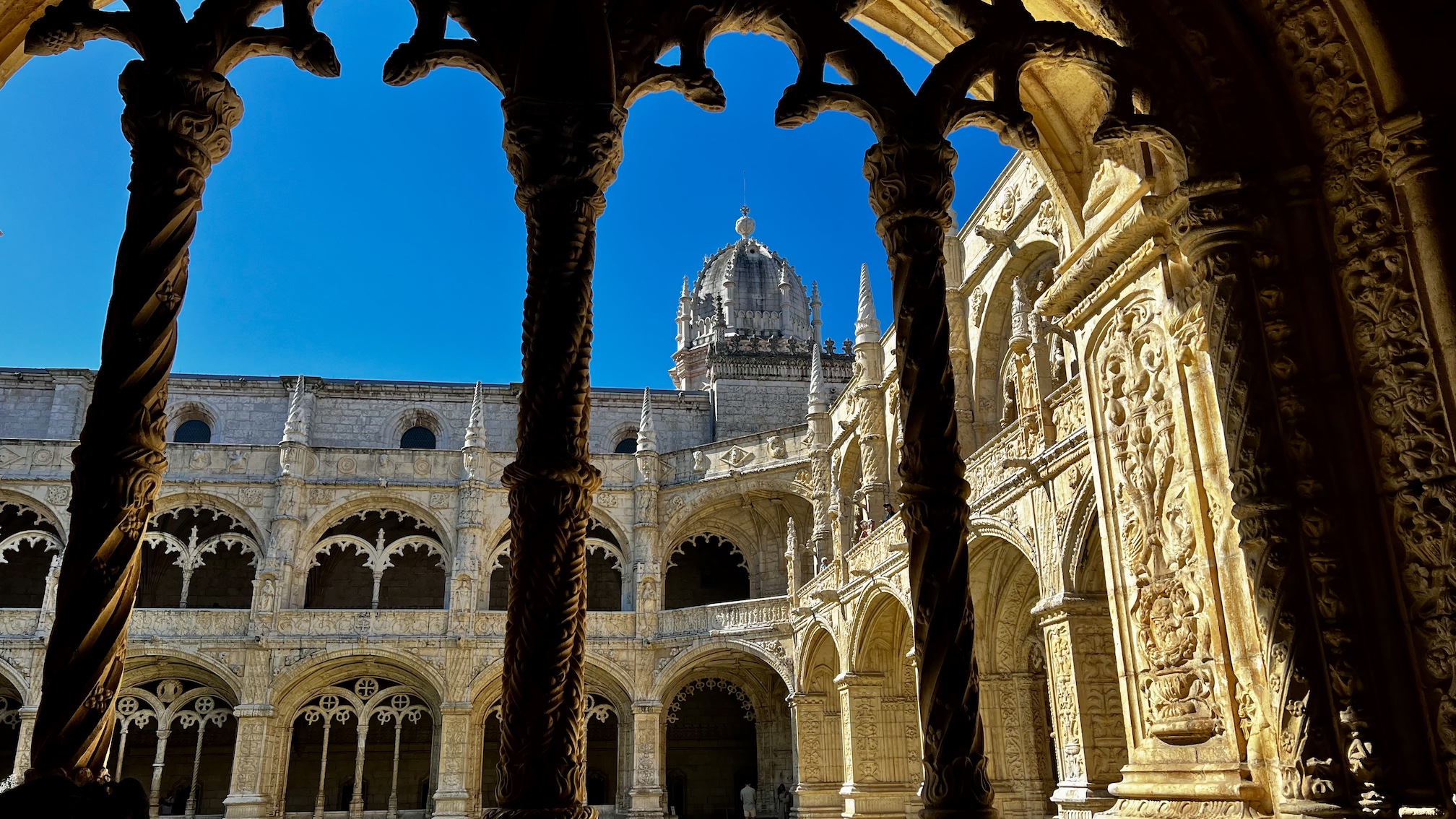
The Jeronimos Monastery was built in the early 16th century to commemorate Vasco da Gama’s successful voyage around Africa to India. You can see Vasco da Gama tomb inside the Monastery.
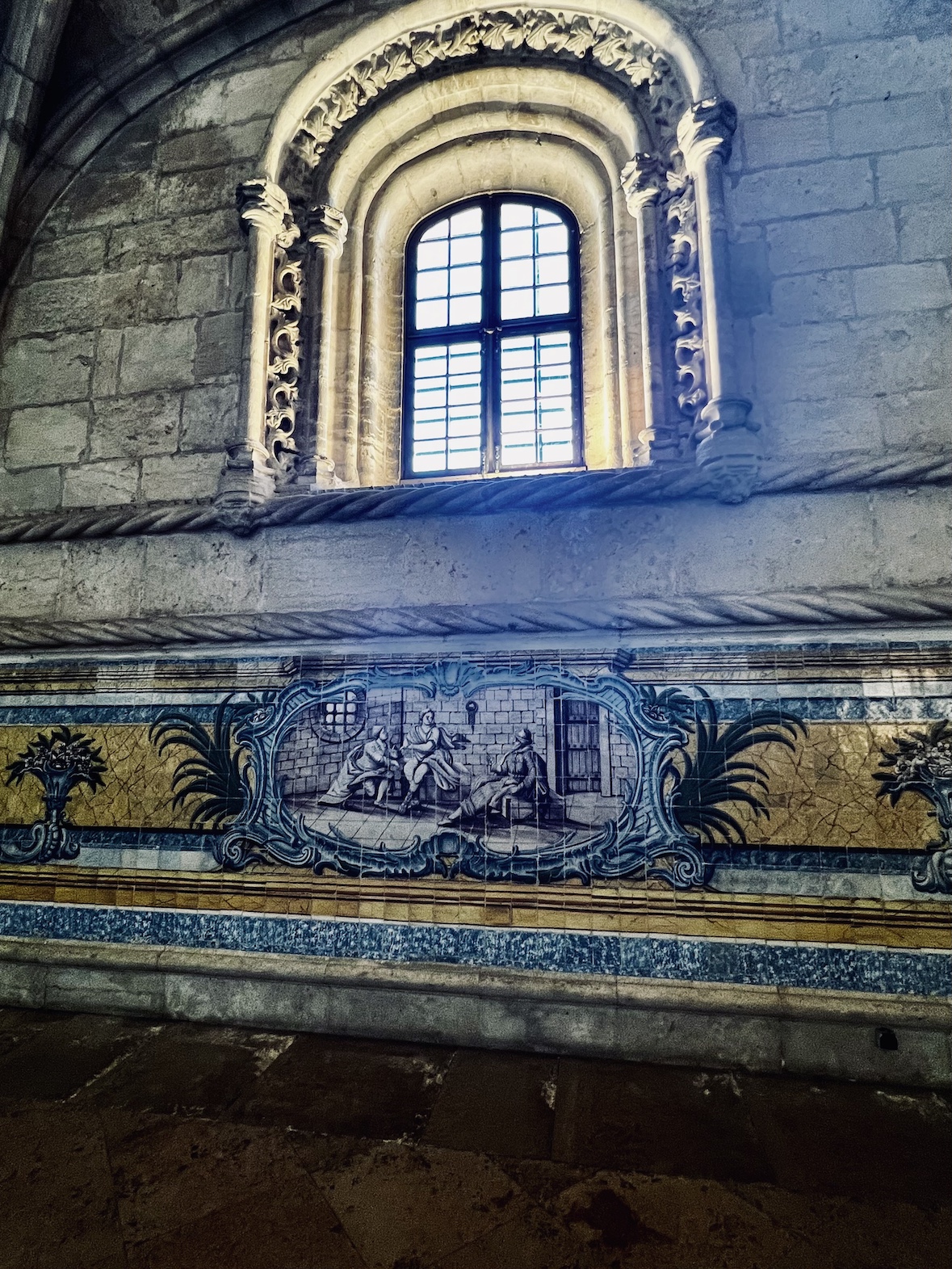
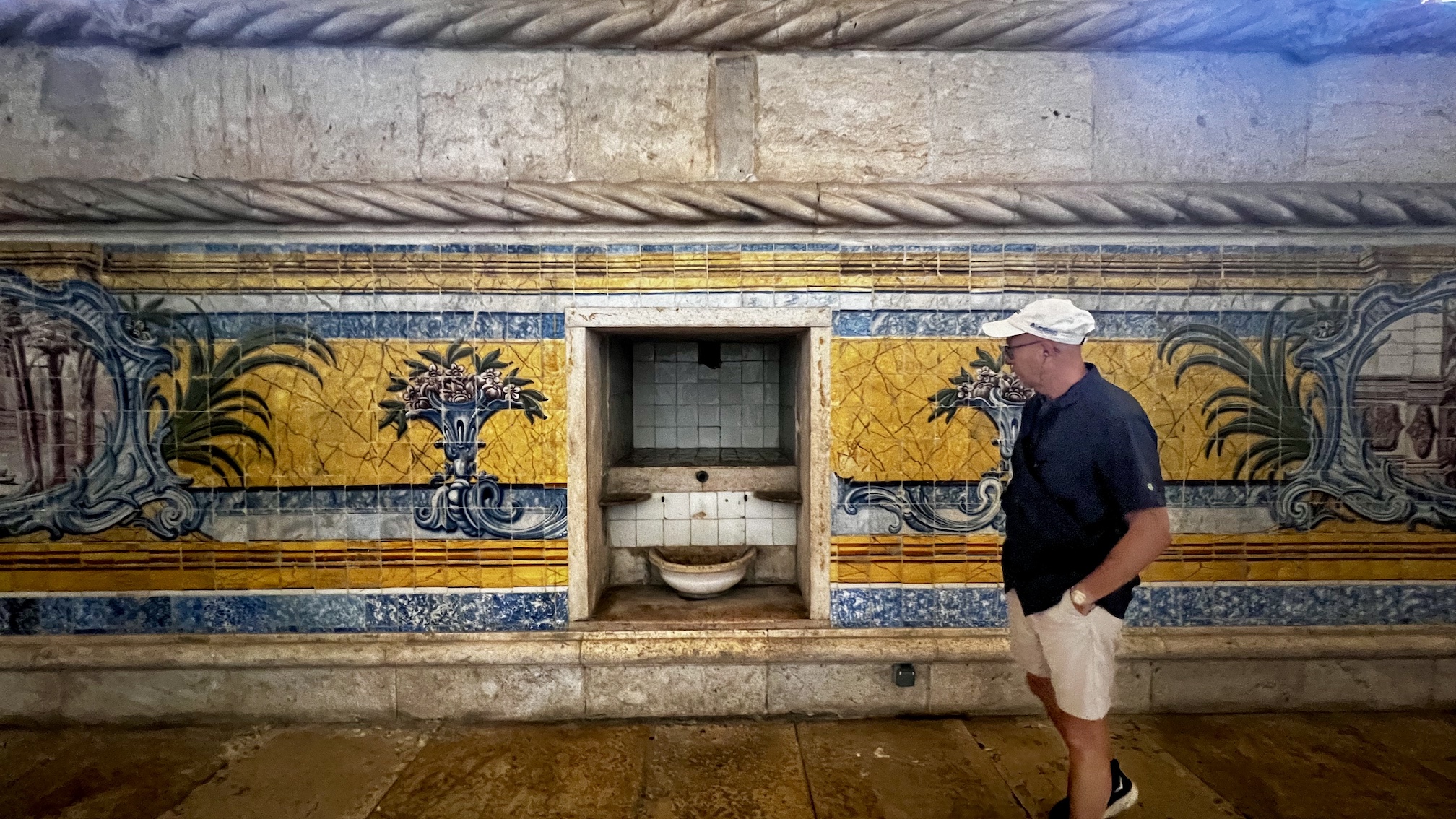
This UNESCO World Heritage site has beautiful architect that is late Portuguese Gothic style. You’ll marvel at the intricate carvings. Don’t miss going inside The Refectory. It was used by the monks for dining. The 16th century azulejo tile panels depict scenes from the bible.
The Maritime Museum
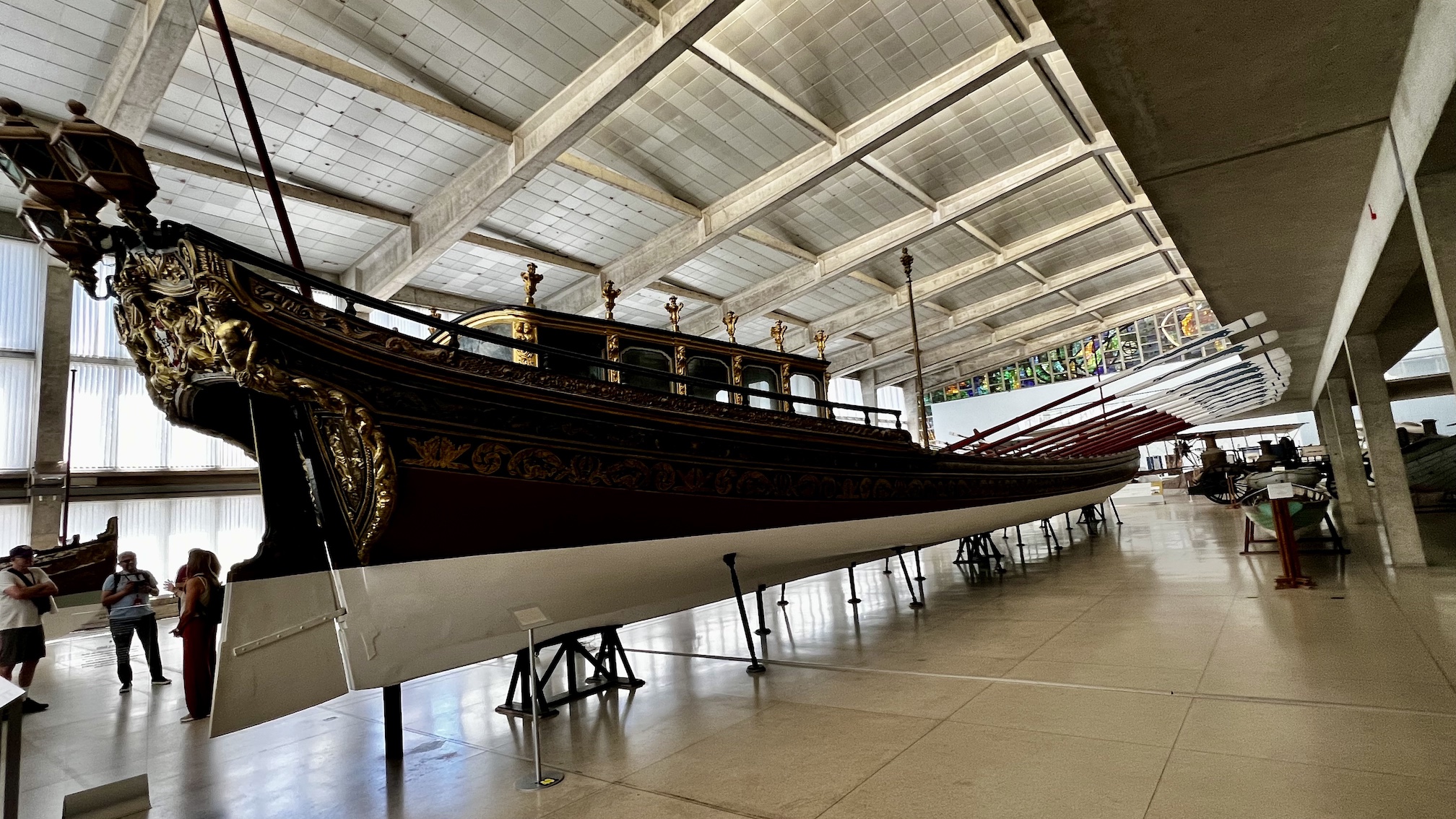
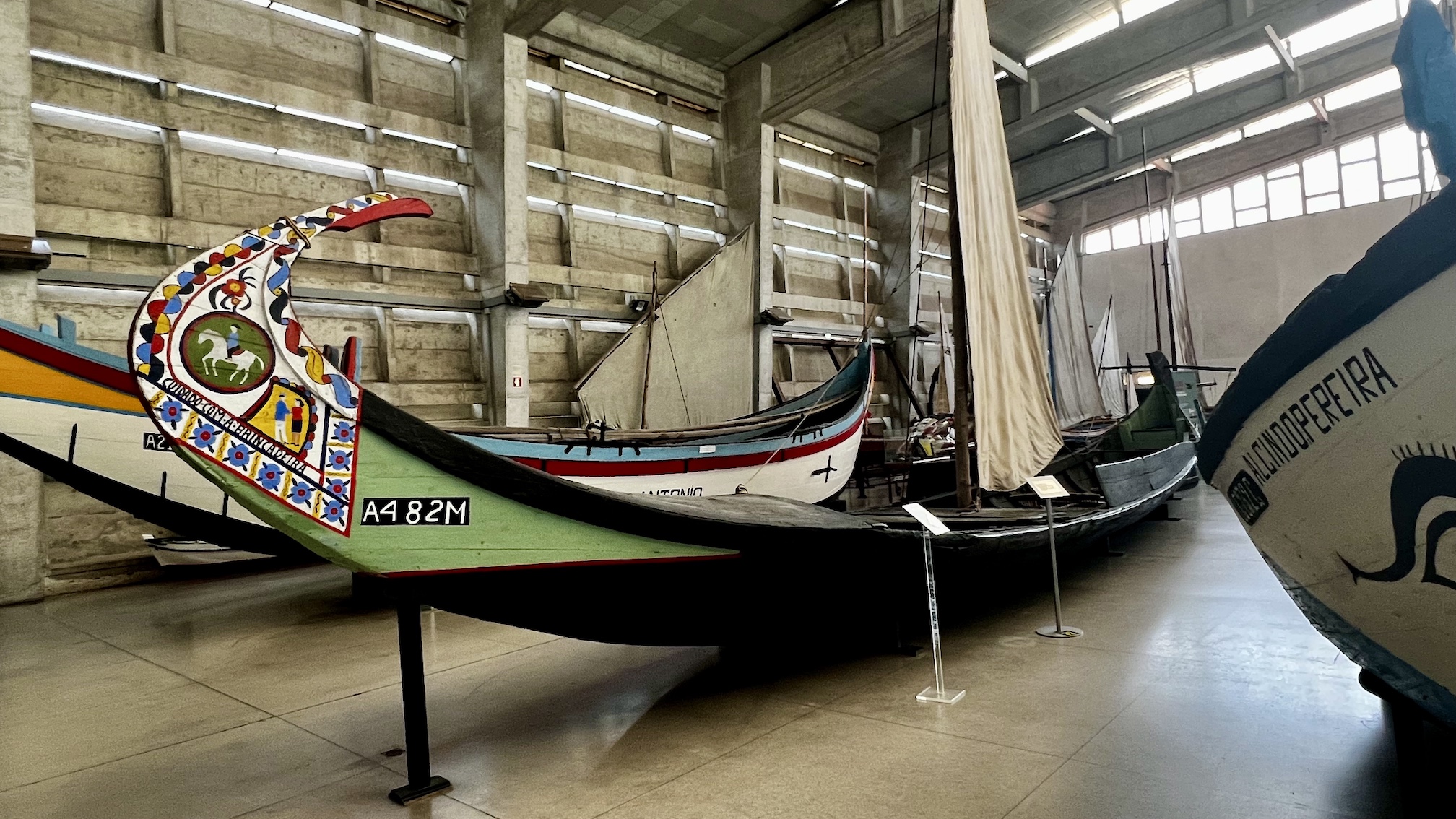
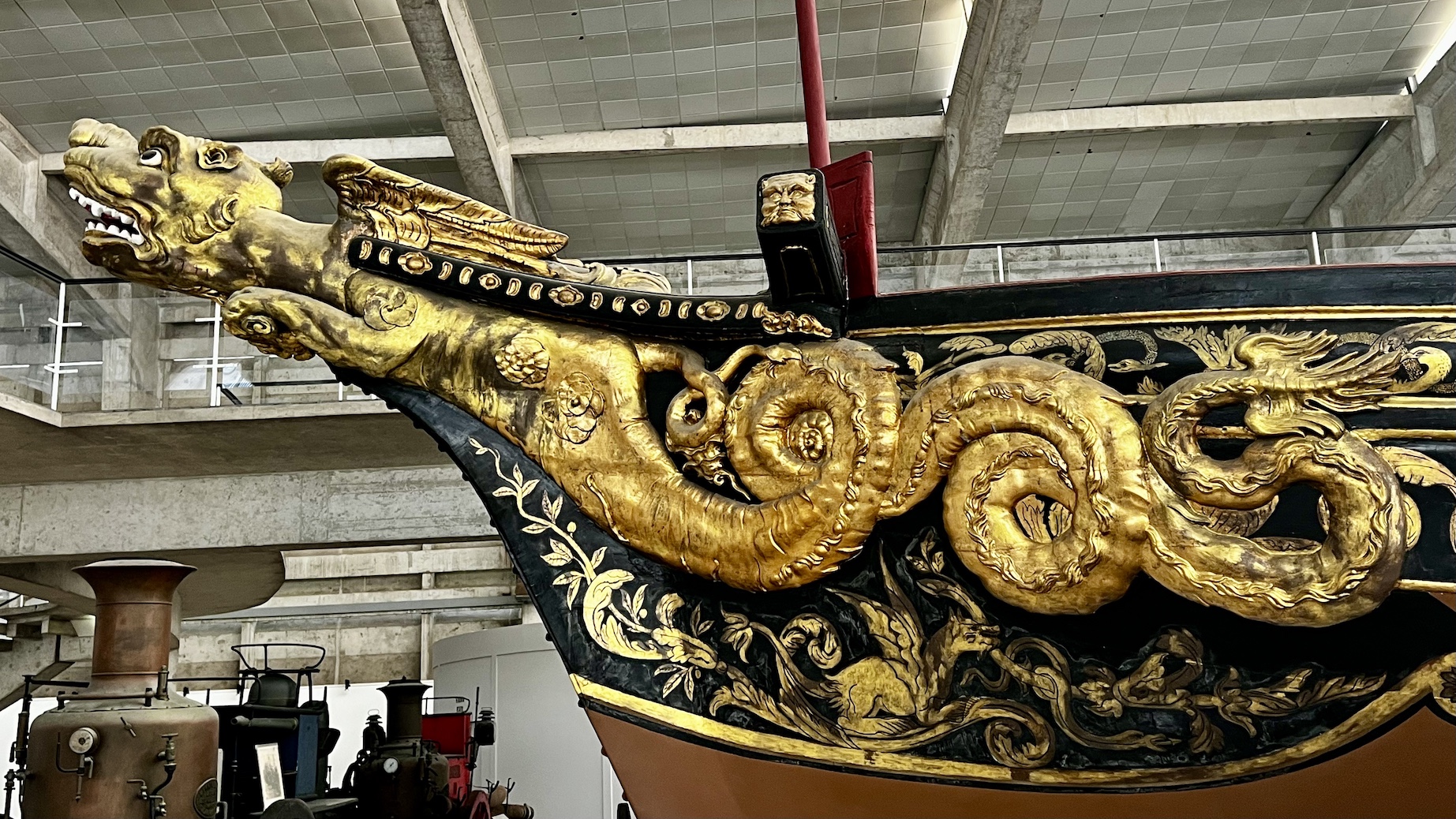
The Maritime Museum is in the west part of the Jeronimos Monastery. There is a large collection of traditional Portuguese boats and royal barges. You must see these elegant, decorated vessels.
Evora
The highlight of the town of Evora was The Bones Chapel built in the late 16th century by the Franciscan friars. Who wouldn’t like to see walls and columns decorated with more than 5,000 bones and skulls? Can you imagine the person tasked with figuring out how to take a stack of bones and decorate the walls with them? There is a sign at the entrance to the room that says it all, “We bones that are here, for yours we wait.”
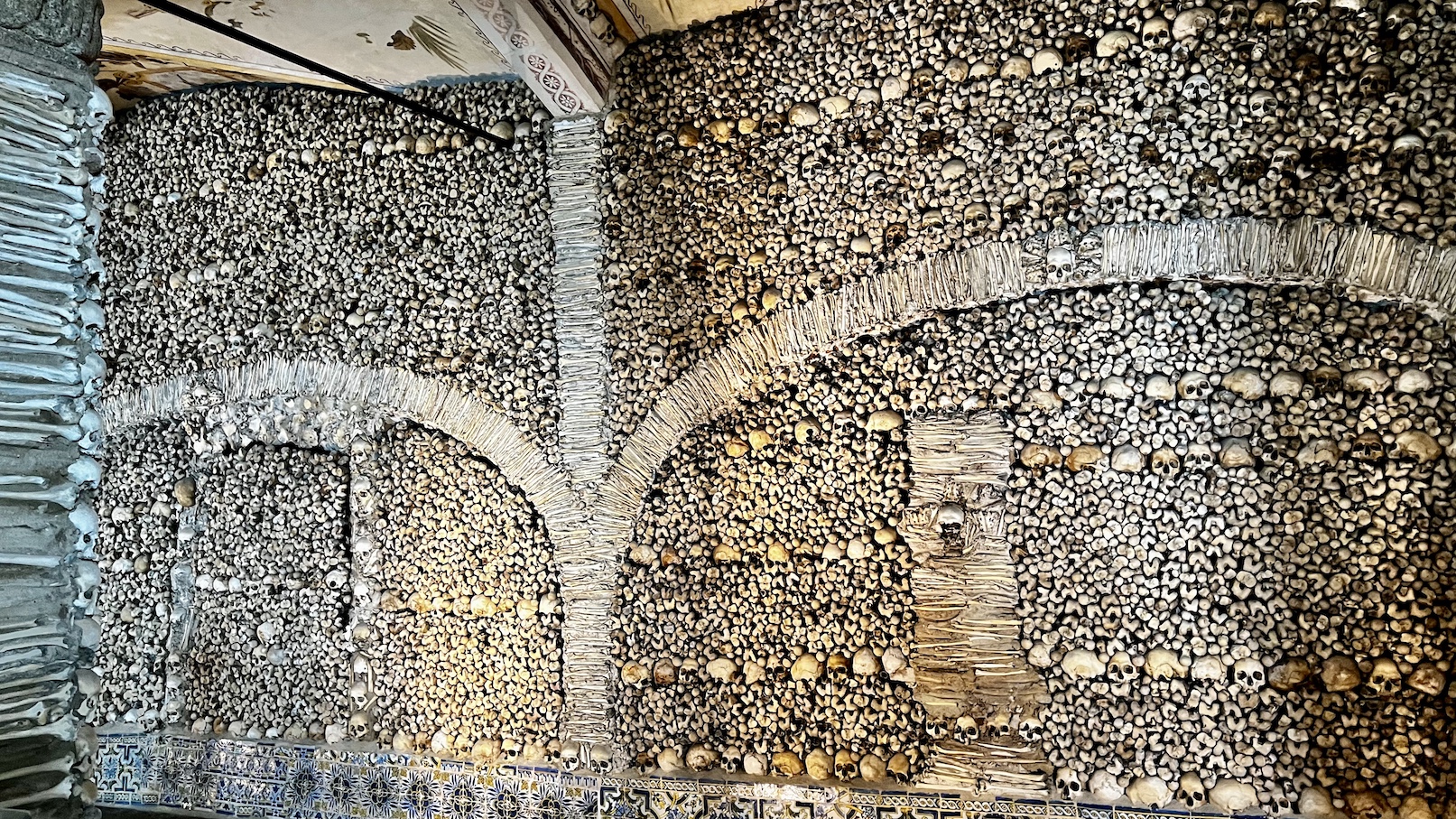
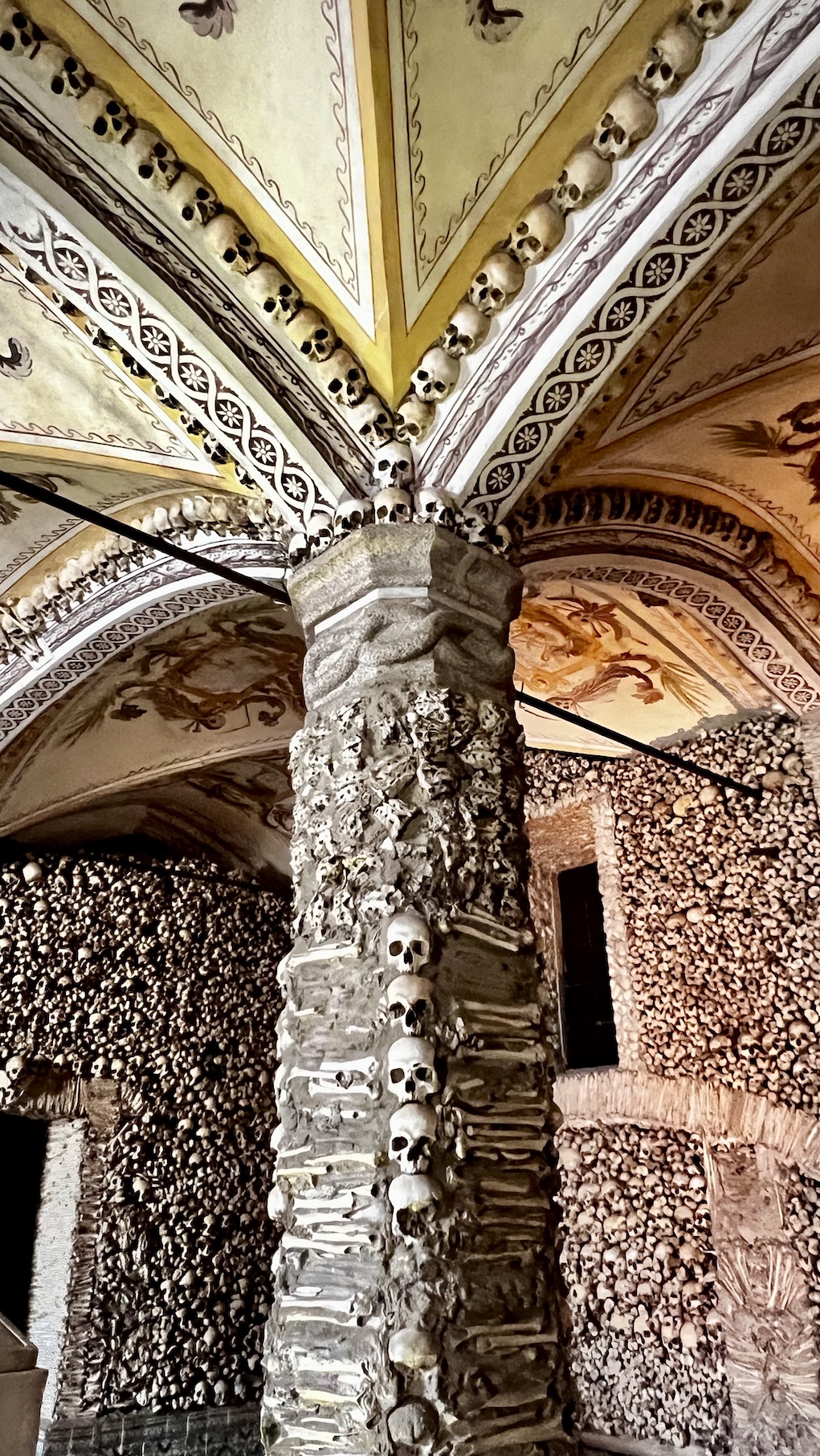
I like getting off the beaten path, so I was excited that our Rick Steves tour was visiting a working cork and olive farm. We learned about the cork oak tree and taste tested olive oil. Afterwards we were treated to an amazing lunch.
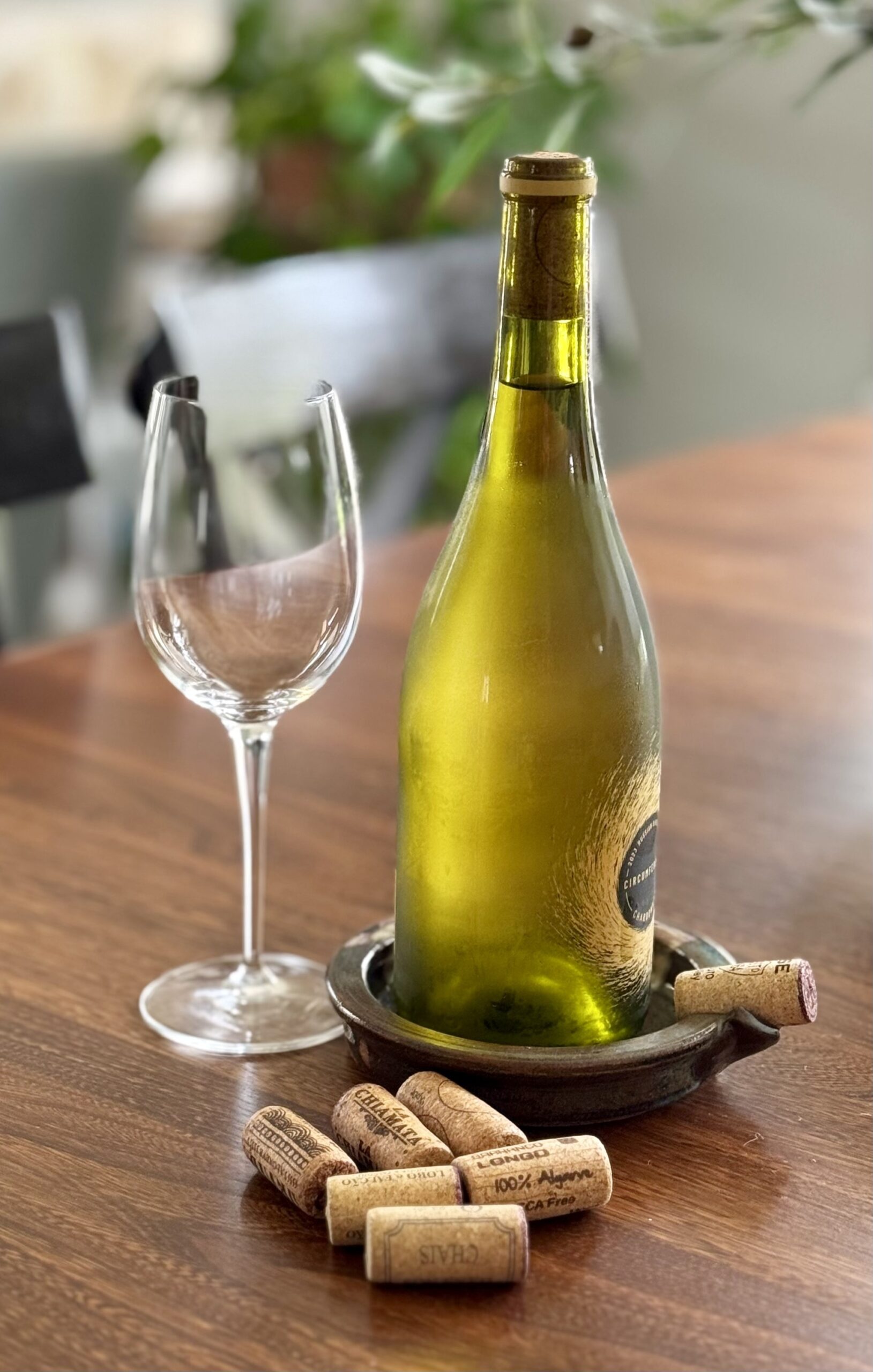
Ever since I began drinking wine, I never, not once thought about how that cork wine stopper was made or where that cork even came from? I was too focused on having a delicious glass of wine.
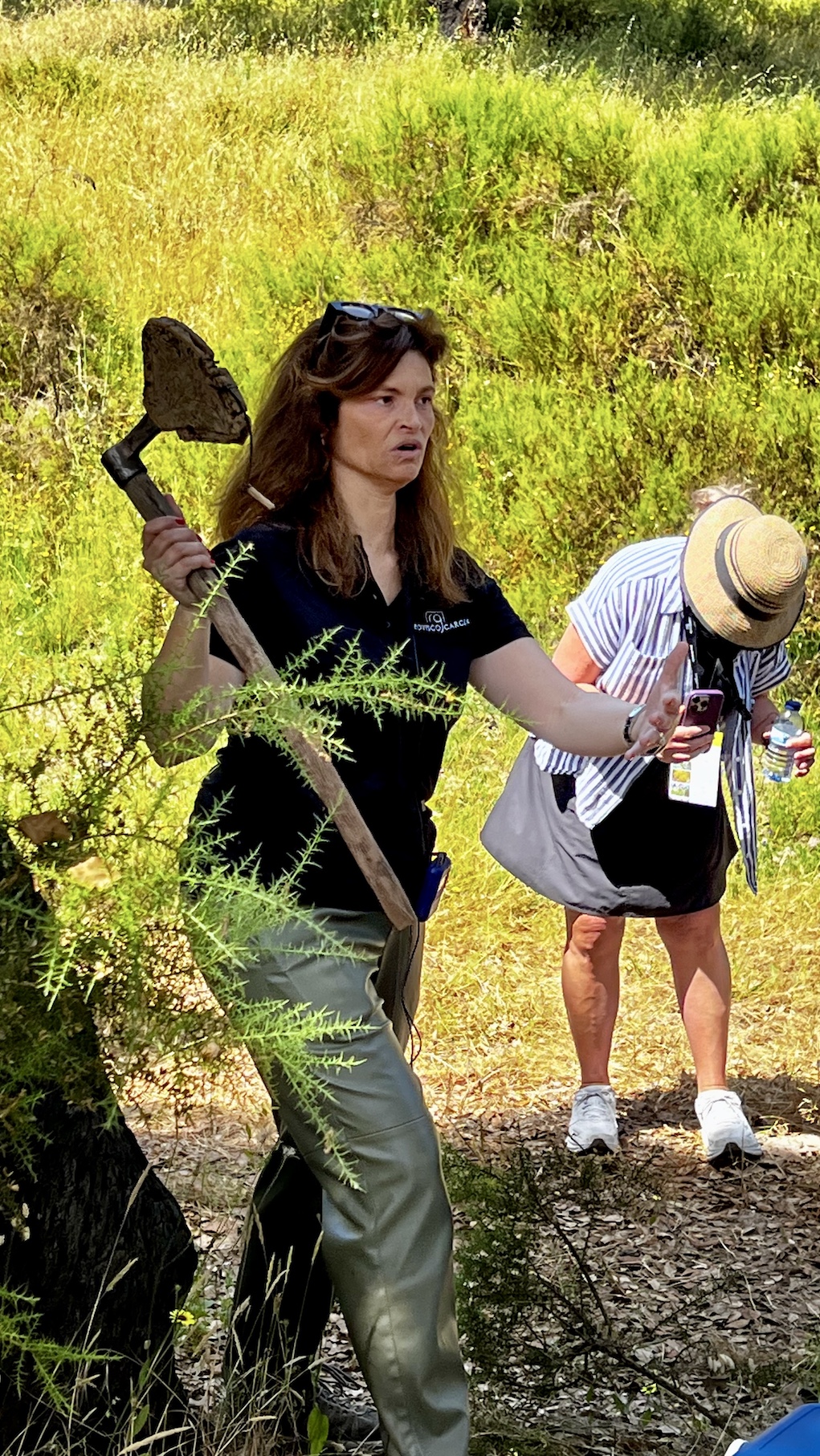
A sharp axe is used to carefully strip the bark. It takes years practicing and precision doing this job. My mind started to visualize Paul Bunyan in his plaid shirt and big heavy axe.
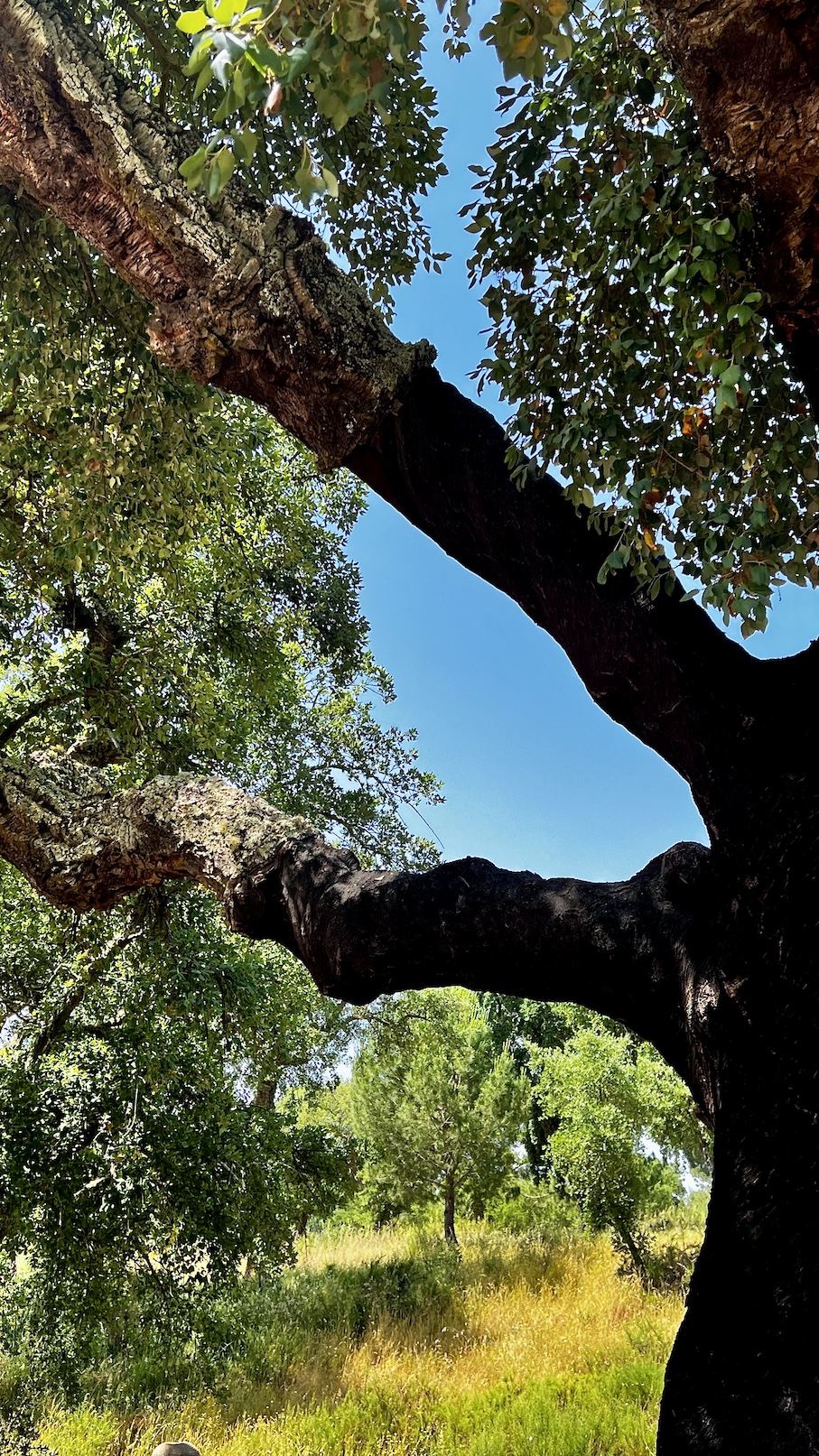
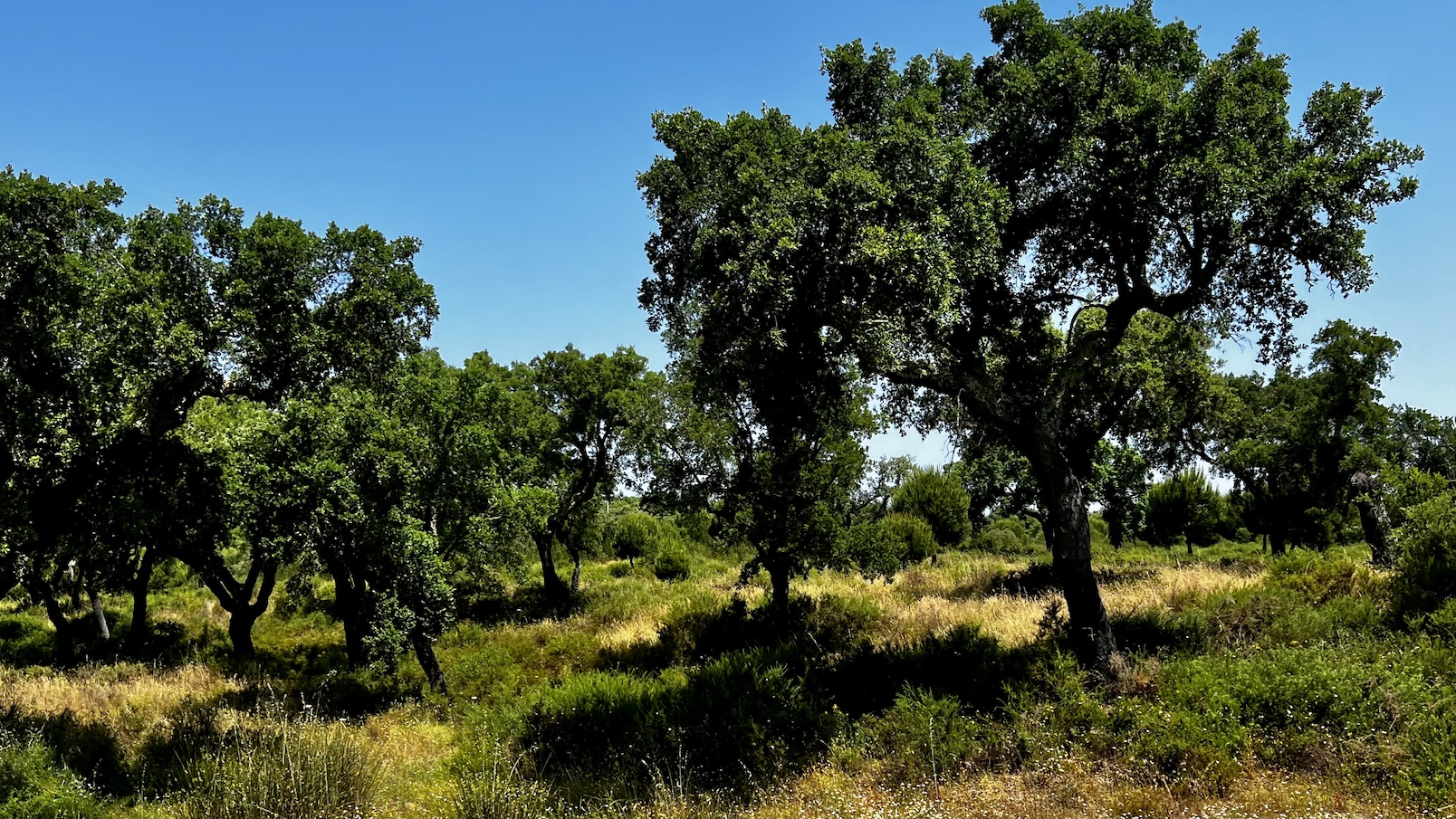
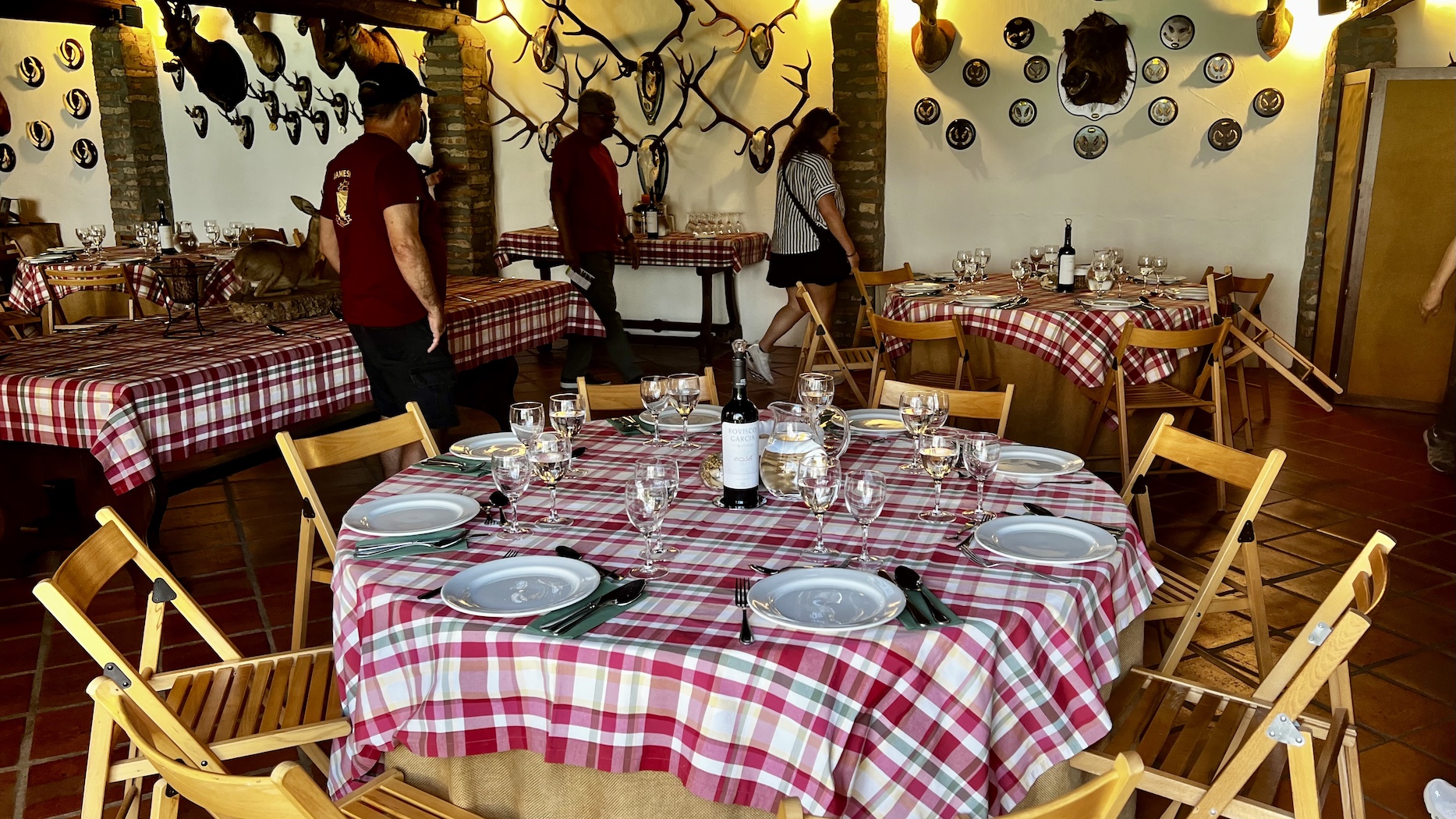
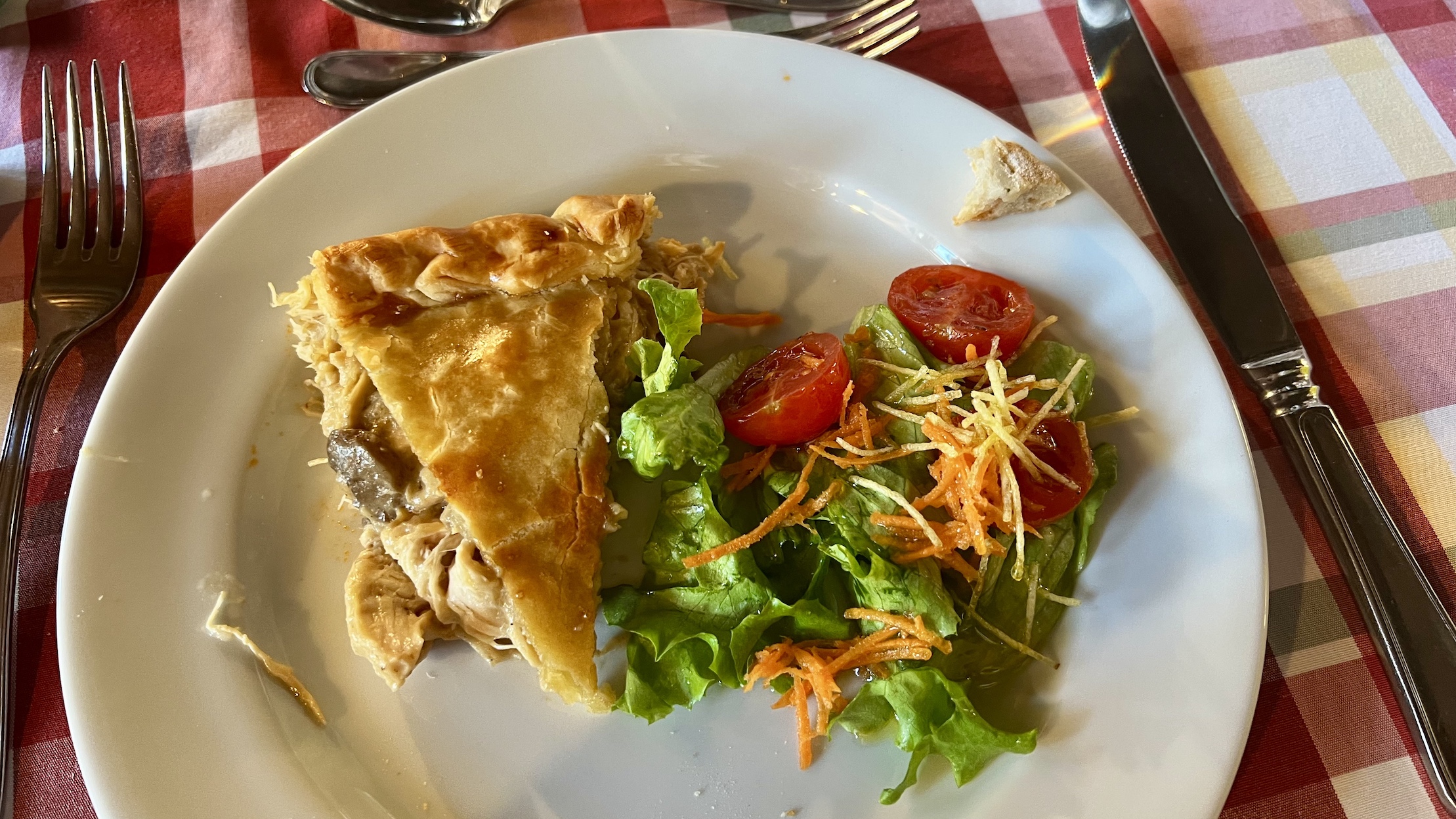
Guess how long it takes before the cork oak will produce cork suitable for wine stoppers? A year, 10 years or maybe 20? Not even close. It takes approximately 40 years from the time the tree is planted until it produces cork suitable for wine stoppers.
Now, I’m rethinking about tossing my cork wine stoppers.
Throughout Portugal you’ll see cork in a variety of products. A man on our tour bought a cork hat. I saw cork handbags, wallets, and even cork jewelry.
All these cork products come from the cork oak (Quercus suber). I’m a forester and never knew what a cork oak looked like. The cork oak lives about 200 years.
Portugal supplies over 60% of the world’s cork. There are laws in Portugal that protect the cork oak. We were told that it’s against the law to cut down dead or alive cork oak without permission from the government.
I highly recommend you schedule a cork farm tour. Did I mention the lunch was amazing?
Next up…Tomar and the Castle of the Knights Templar!
Great summary, Debi! Can’t wait to read the rest. Congrats on getting it out there. Hope all is well with you and Chuck! Jen